North Indian
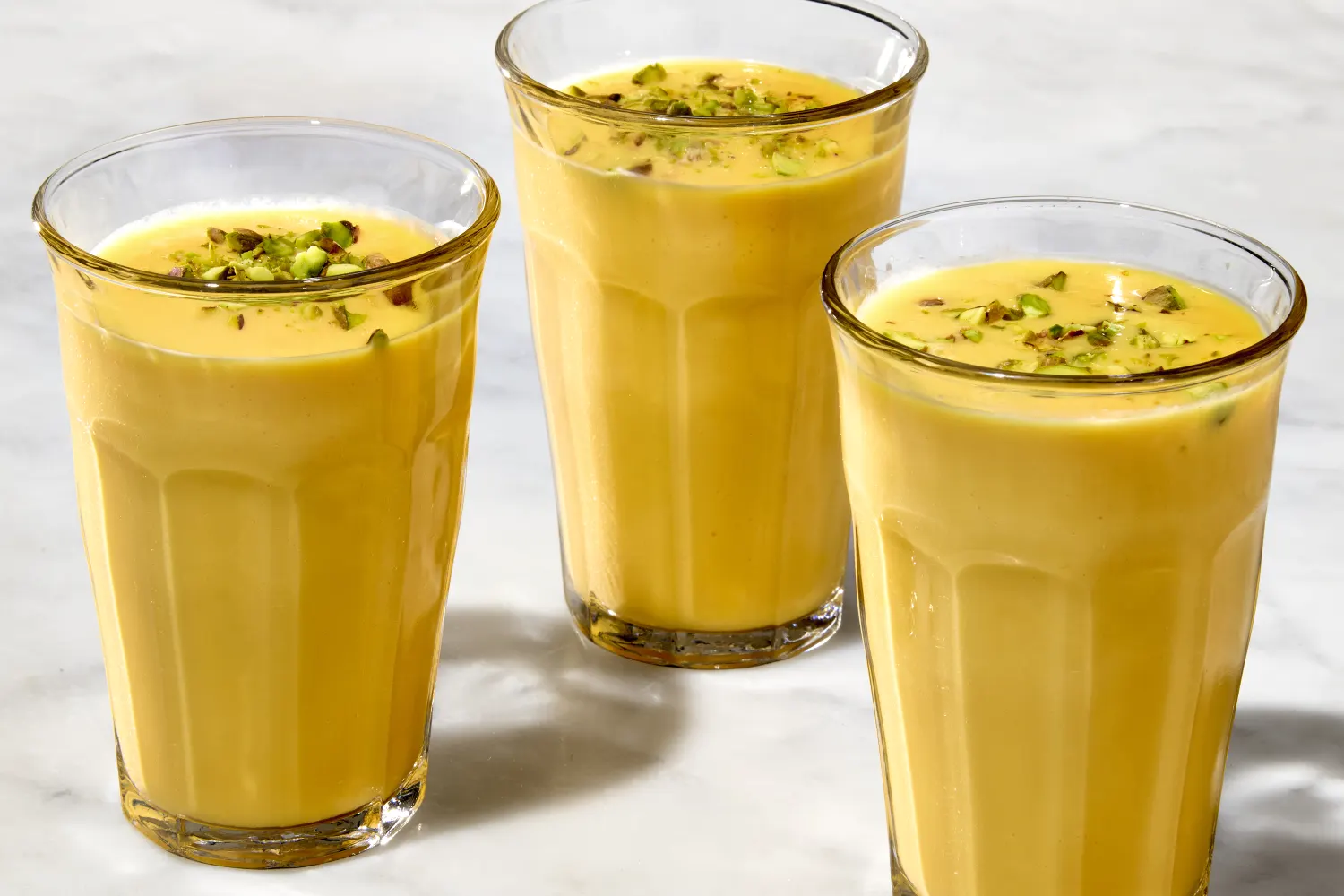
Mango Lassi
Thick, creamy and sunshine-sweet — the classic Indian mango lassi, blended in 5 minutes flat.
Rich, buttery curries, tandoor dishes and breads from northern India.
Thick, creamy and sunshine-sweet — the classic Indian mango lassi, blended in 5 minutes flat.
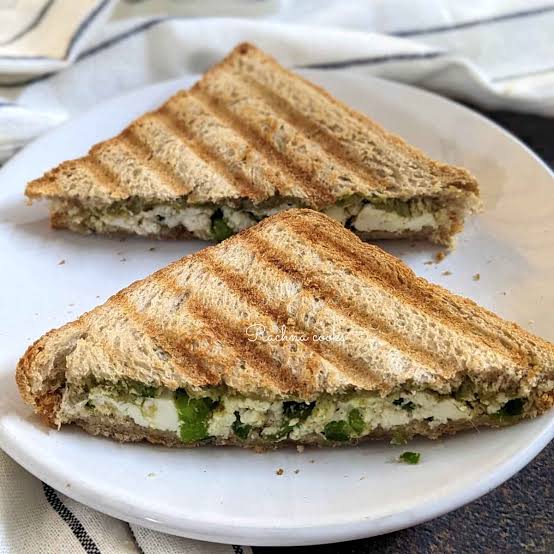
Crisp golden bread stuffed with spiced paneer, crunchy vegetables and tangy green chutney — a cafe-style sandwich at home.
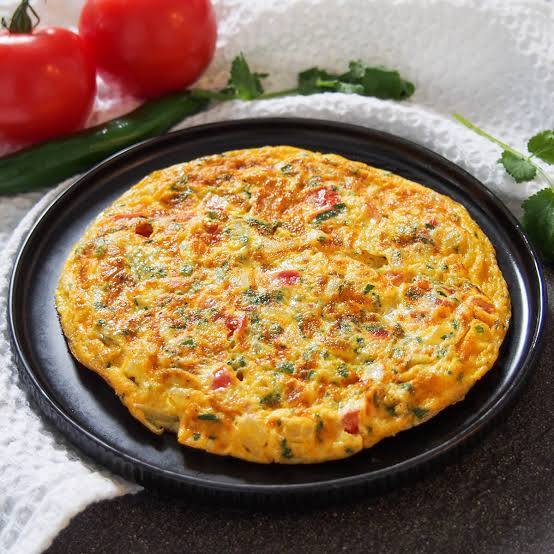
Fluffy eggs loaded with onion, tomato, green chilli and warm spices — the 10-minute breakfast that never disappoints.
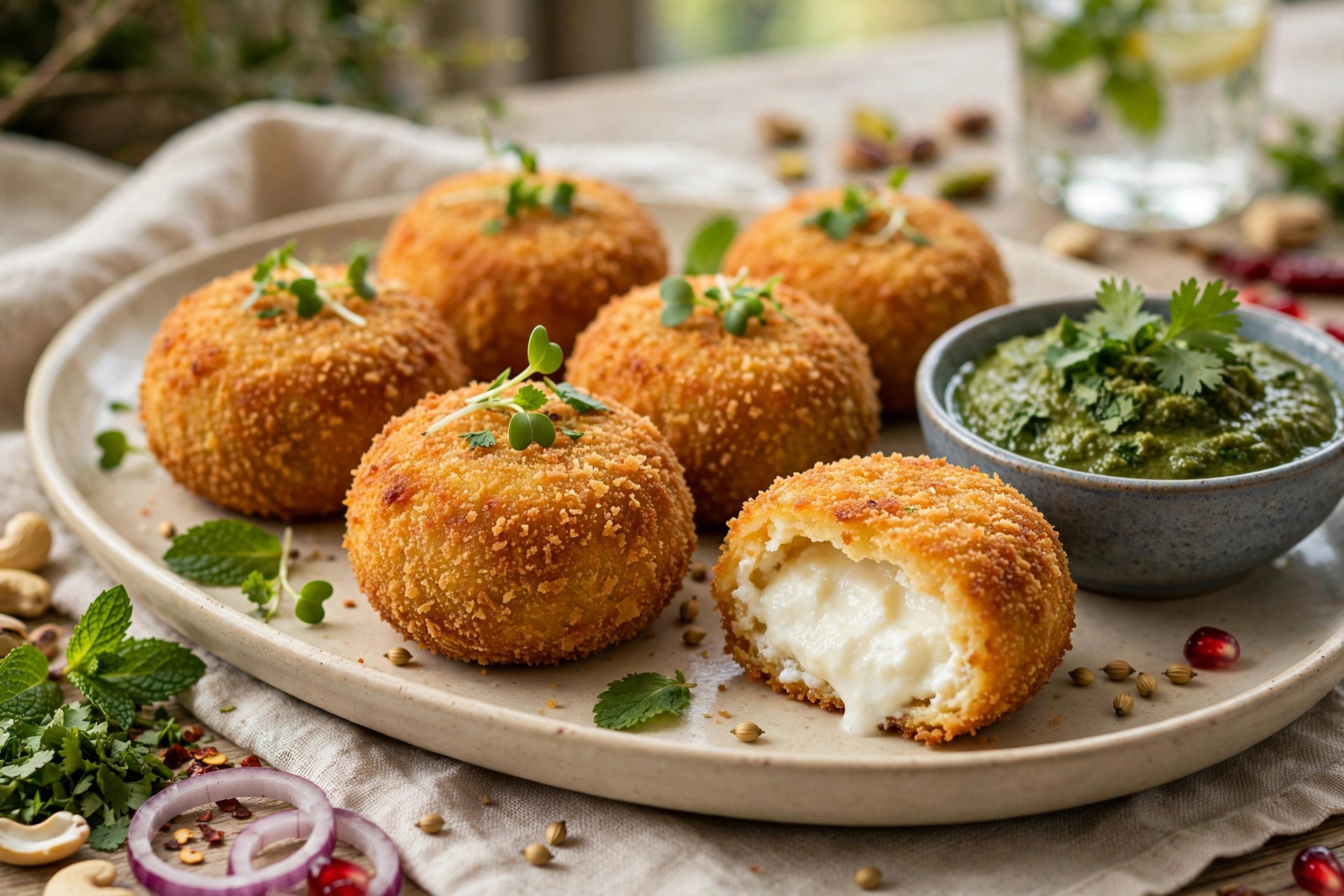
Dahi ke Kebab is a delicate Awadhi-style party starter with a crisp golden crust and a soft, almost creamy centre made from hung curd and paneer, gently spiced with ginger, green chilli, and garam masala. The contrast is the whole point — crunchy outside, melt-in-the-mouth inside — and it is best eaten hot, straight off the tawa, with green chutney. The one thing this recipe needs is planning: the curd must drain for several hours to become thick enough to shape, and rushing that step is the most common reason the kebabs fall apart. Chilling the shaped kebabs for 20 minutes before frying also helps them hold together neatly.
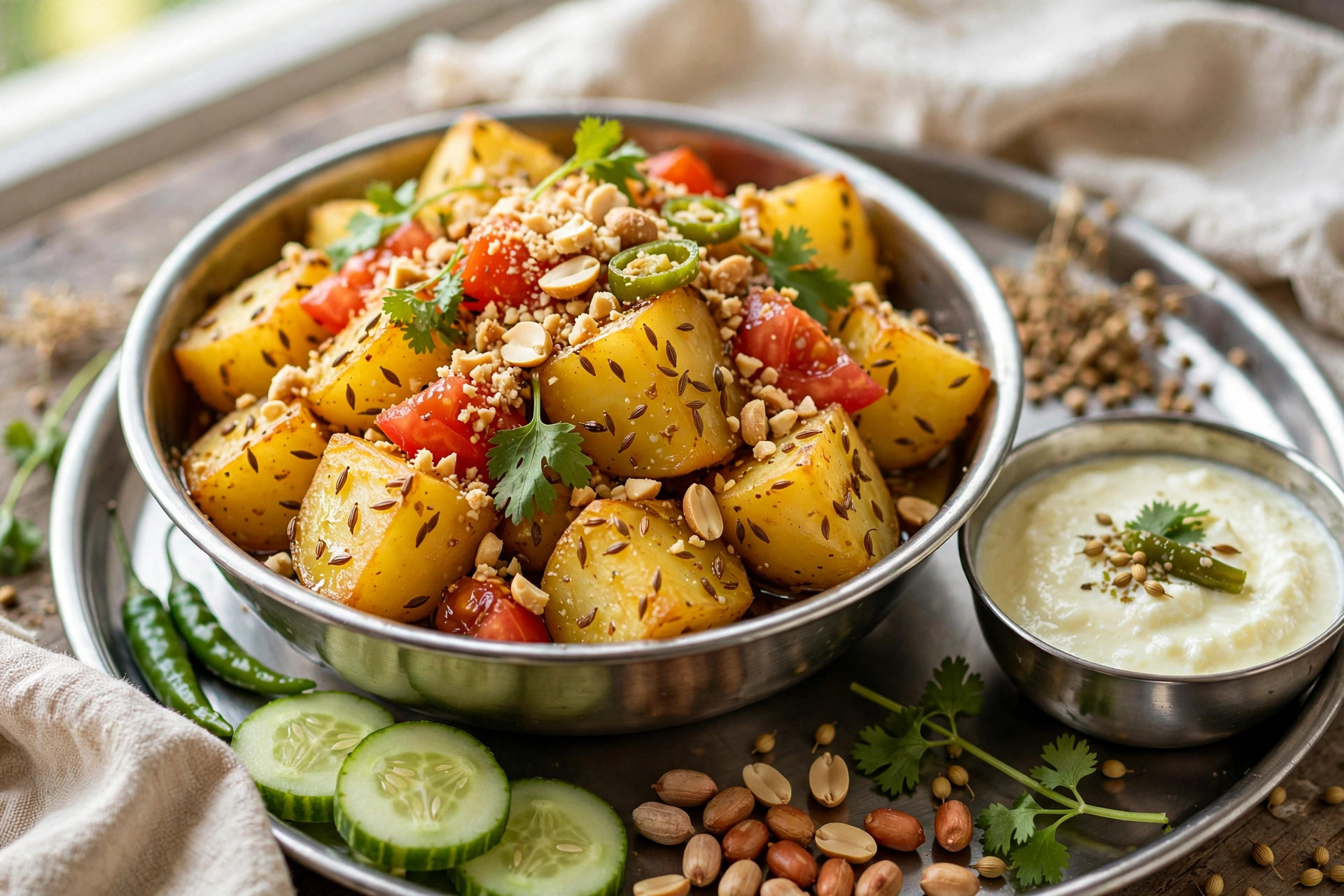
Vrat Wale Aloo is a simple, comforting potato dish made for fasting days, with boiled potatoes tossed in ghee with cumin, green chilli, ginger, and roasted peanuts, finished with lemon and fresh coriander. It is soft, mildly tangy, and satisfying without being heavy, and it pairs well with kuttu or singhara rotis and curd where those are part of a family's fast. Vrat rules differ by family and region, and this version follows common practice — it uses sendha namak (rock salt) instead of regular salt, and contains no onion, no garlic, and no grains or wheat. Please adapt the ingredients to your own household tradition if yours is different.
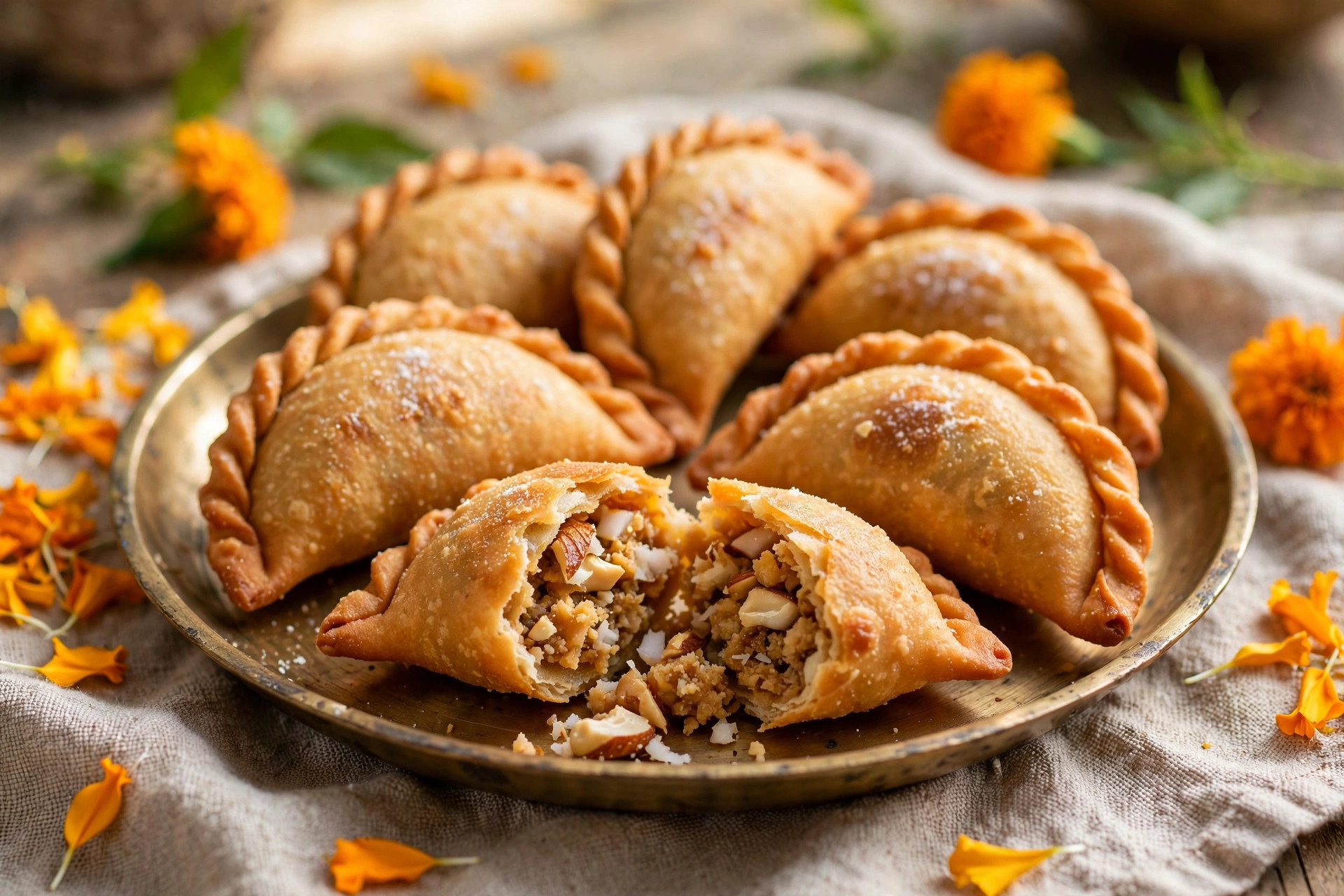
Gujiya, called karanji in many homes, is a crescent-shaped sweet pastry with a crisp, flaky shell and a rich filling of mawa, coconut, nuts, and raisins, lightly scented with cardamom. The outside turns golden and slightly blistered on frying, while the inside stays soft, sweet, and nutty. It is made in large batches for Holi and Diwali, shared with guests, packed into sweet boxes, and eaten over several days after the festival. Roll the dough thin but not paper-thin, and seal the edges very well with a little water so the filling does not leak into the oil. Frying on medium heat, not high, is what gives an even colour and a shell that stays crisp after cooling.
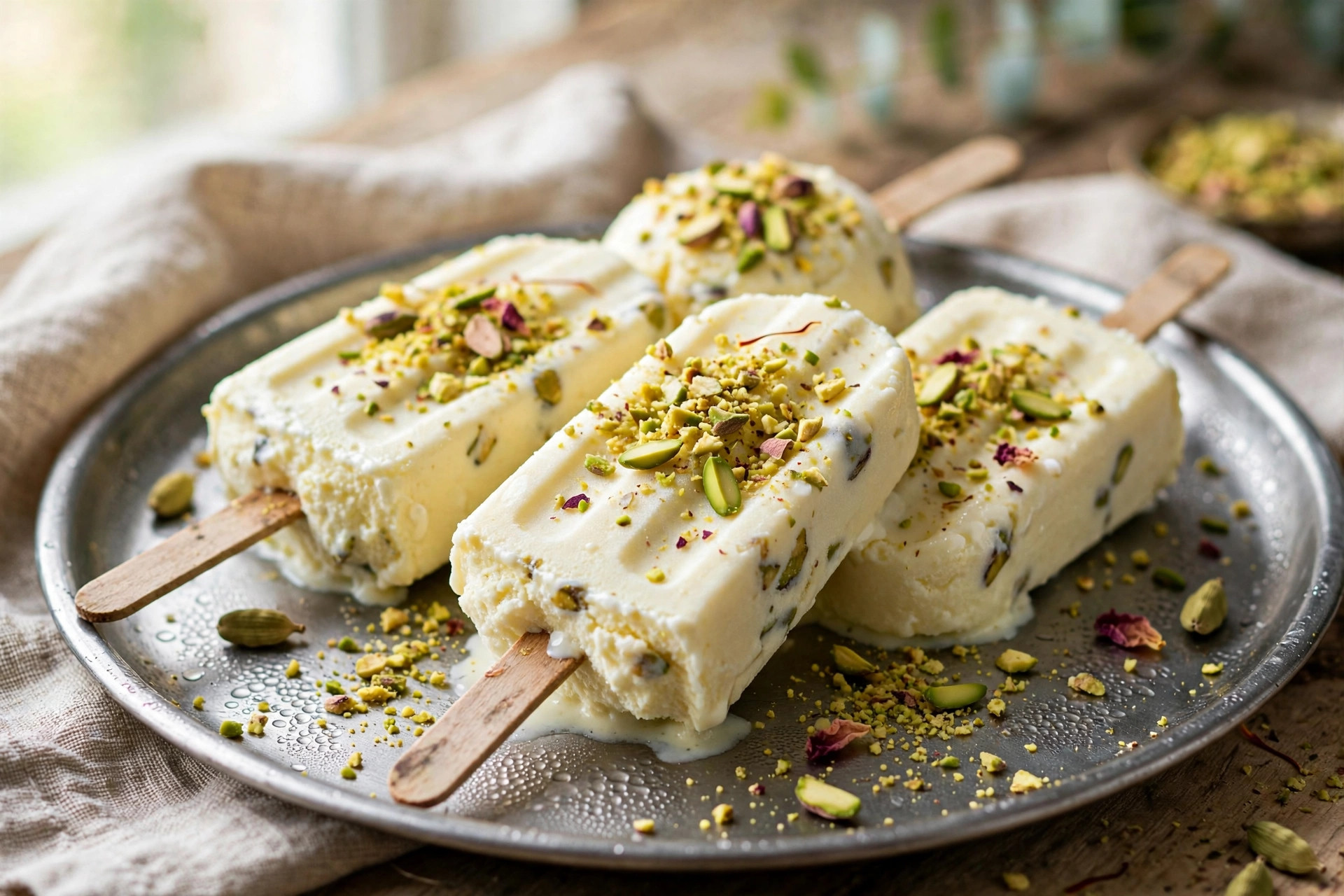
Malai Kulfi is a dense, creamy frozen dessert made by reducing milk slowly until it thickens, sweetening it, and freezing it in moulds. Unlike light, churned ice cream, kulfi is firm and rich, with a malai-like taste, a gentle cardamom flavour and small pieces of pistachio and almond in every bite. It is a favourite summer treat and a good make-ahead dessert for guests. This recipe makes 8 kulfis. Please note the timing: the Cook Time below is the active milk-reduction time, and the kulfis then need 6–8 hours of inactive freezing time in the freezer before they are ready to unmould and serve. One practical tip: reduce the milk properly and let the mixture cool completely before pouring it into moulds, which helps the kulfi set dense and smooth.
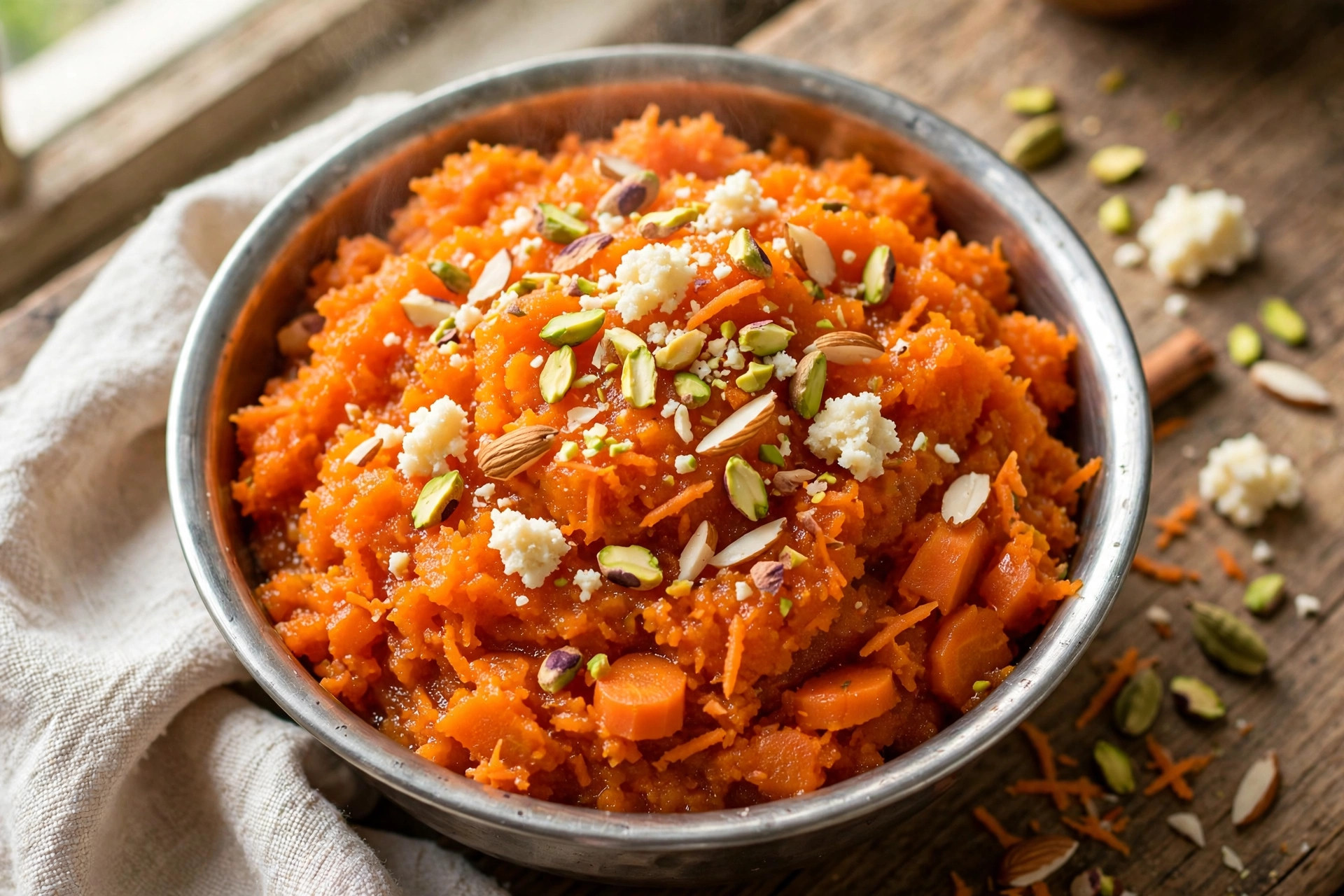
Gajar ka Halwa is a warm carrot pudding made by cooking grated carrots slowly in milk until they turn soft, sweet and almost jammy, then finishing the halwa with ghee, sugar and khoya. It tastes rich and milky with a gentle cardamom note, and the texture is soft with a slight bite from the carrots and chopped nuts on top. It is most loved in winter, when red carrots are in season, and is served warm at family meals and festivals, often in small bowls after lunch or dinner. One practical tip: cook the carrots patiently until the milk is fully absorbed before adding the sugar, because sugar releases moisture and can make the halwa watery if it is added too early.
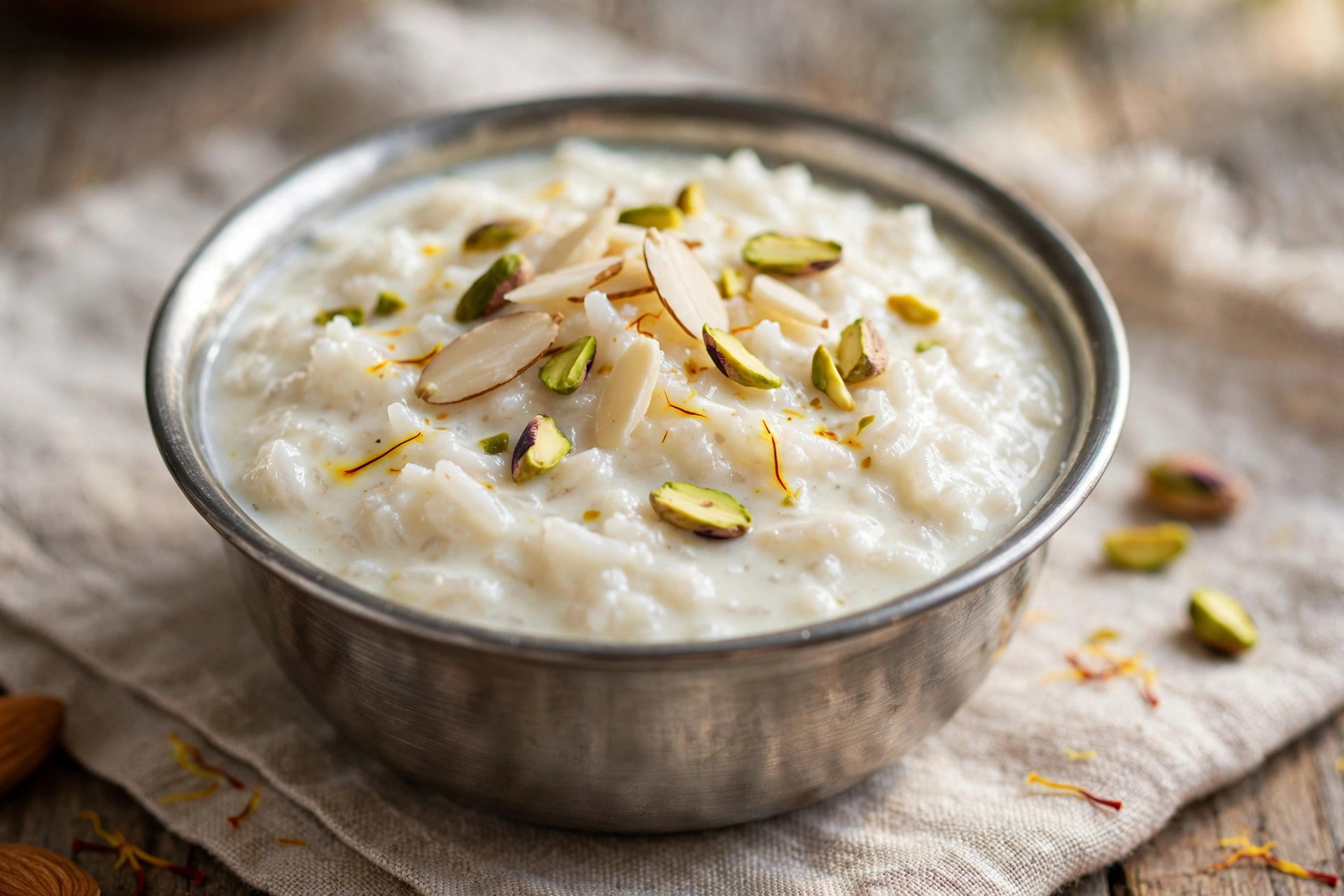
Rice Kheer is a slow-cooked Indian rice pudding made by simmering rice in milk until the grains turn soft and the milk thickens into a creamy, lightly sweet dessert. It has a gentle cardamom flavour, a silky texture with soft bites of rice, and a topping of almonds, pistachios and saffron that adds a little crunch. It is served at festivals, family meals and celebrations, and works equally well warm in winter or chilled in summer. Serve it in small bowls, because it is rich and filling. One practical tip: rinse and soak the rice briefly and stir the milk often as it simmers, so the kheer thickens evenly and does not catch at the base of the pan.
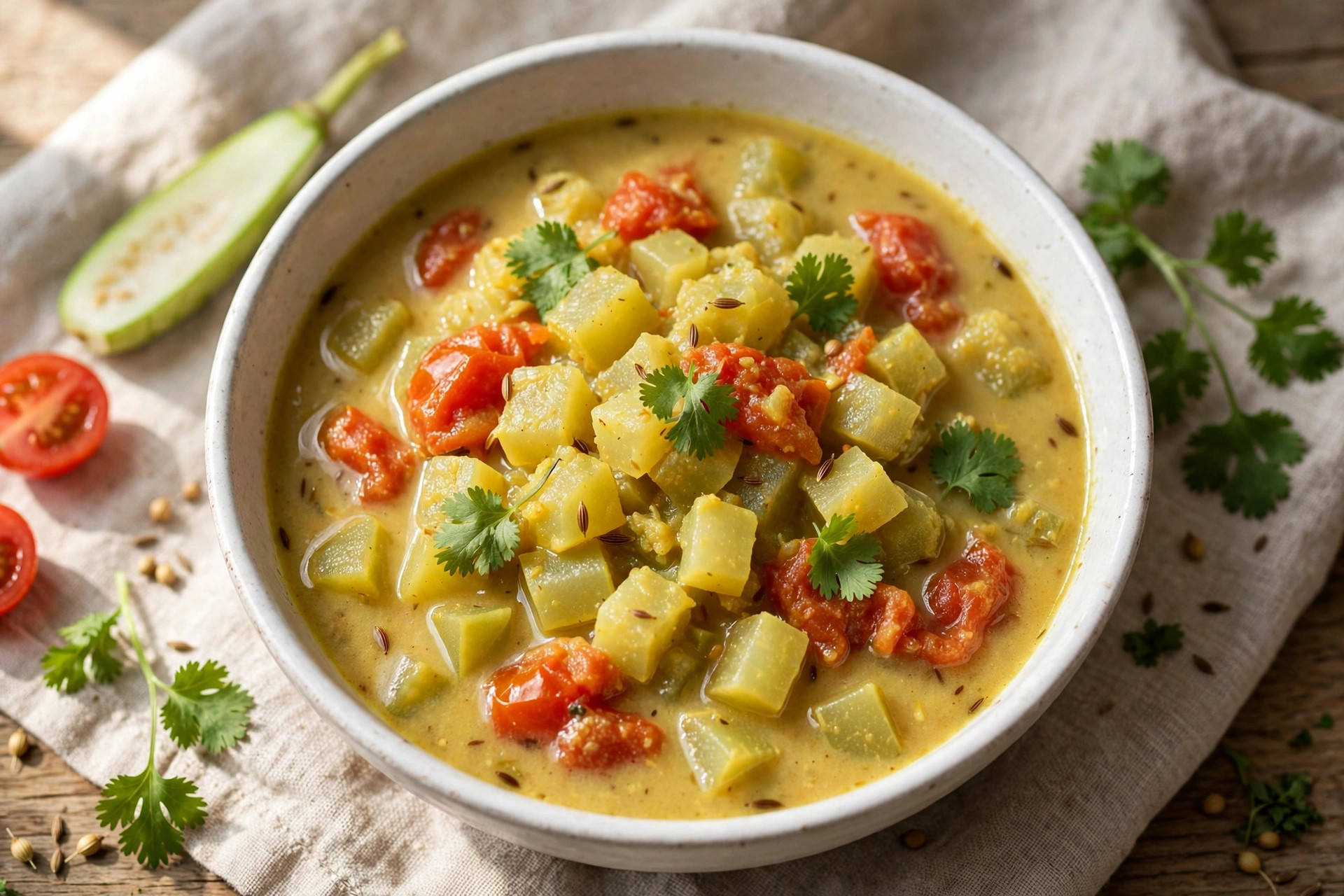
This sattvic lauki-tamatar sabzi is a light, homestyle curry of tender bottle gourd simmered in a fresh tomato base with cumin, ginger, and gentle everyday spices. It is made in the sattvic style, relying on tomato, ginger, and whole spices for flavour rather than strong, pungent aromatics, so the finished dish tastes clean, mildly tangy, and easy to digest as an everyday meal. The gravy is thin and soupy rather than rich, which makes it a good partner for plain steamed rice as well as rotis and phulkas. It suits a simple weekday lunch, a light dinner, or a fasting-day meal where your family's practice permits these ingredients. One practical tip: choose a young, tender lauki with pale, smooth skin and no large seeds — older gourds can taste bitter and stay fibrous even after cooking.
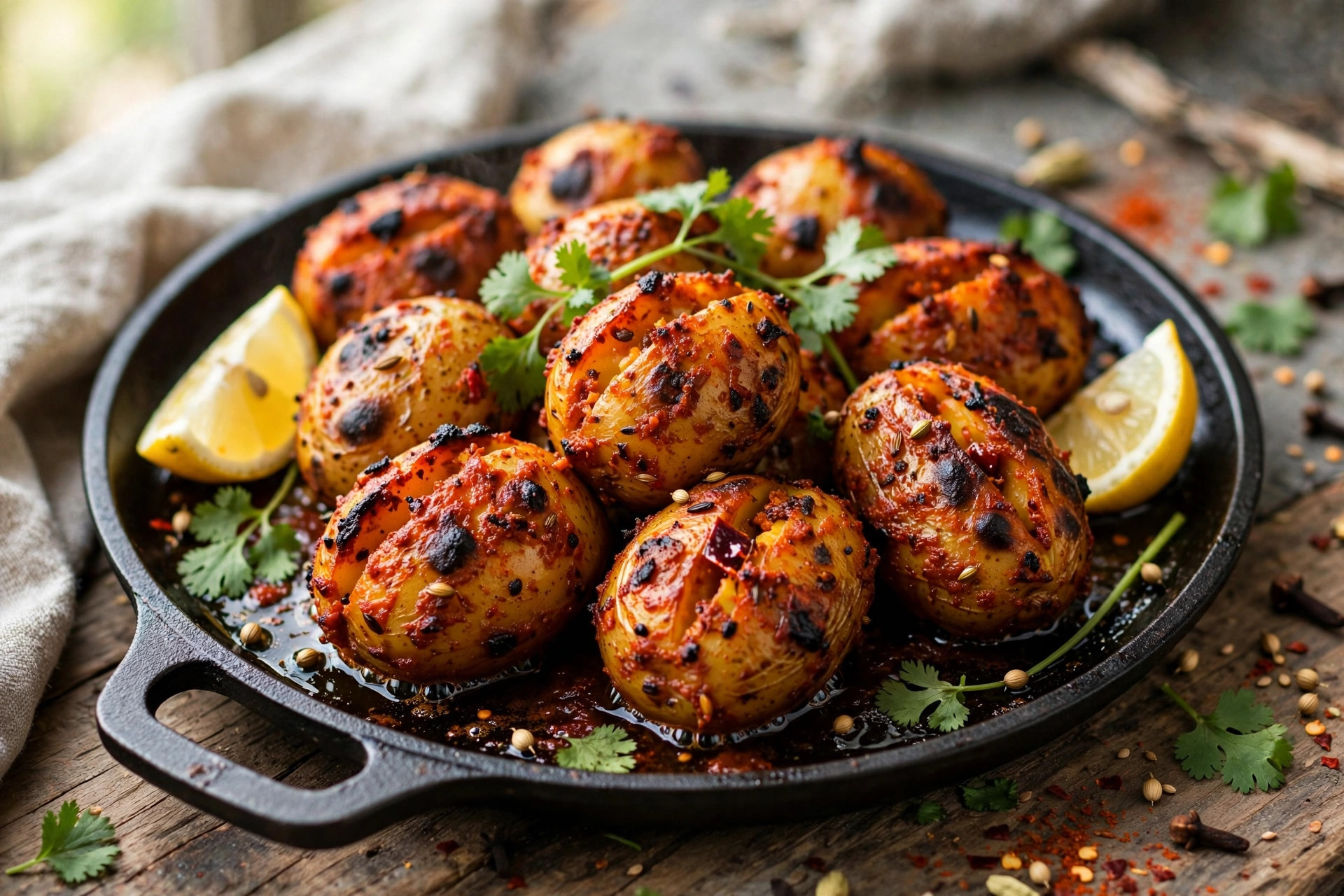
Tandoori Aloo is a smoky, spice-coated baby potato starter with crisp, lightly charred edges and a soft, fluffy centre. The potatoes are parboiled, tossed in a thick curd and spice marinade, and cooked until the coating clings and browns in spots. This is a home oven and tawa version, not a clay tandoor recipe — it is written for a regular home oven, an air fryer, or a heavy tawa, so no special equipment is needed. Serve it hot as a party starter, a tea-time snack, or a side with dal and rotis. One practical tip: dry the parboiled potatoes well before marinating, because surface moisture makes the marinade slide off instead of sticking and browning.
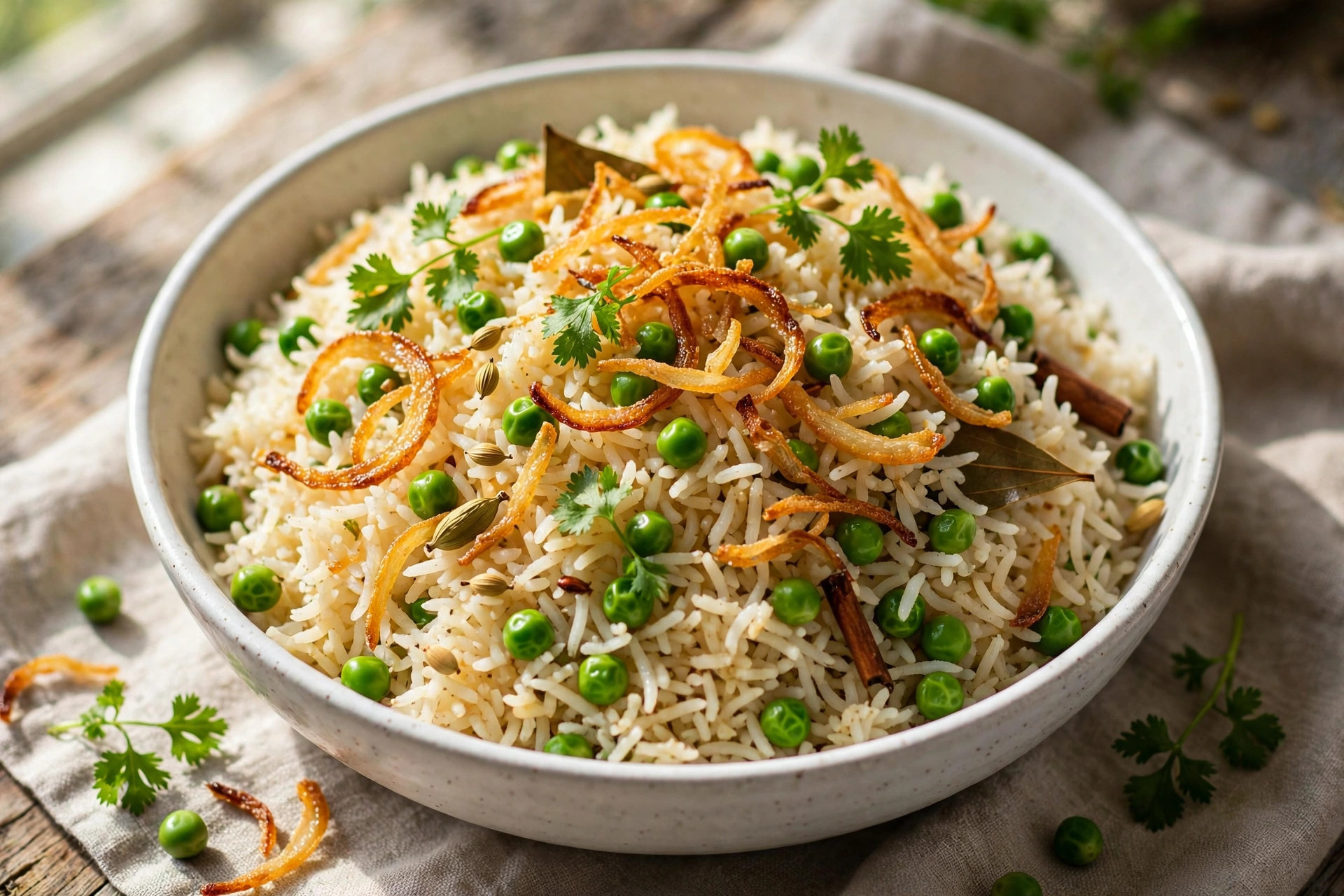
Matar Pulao is a gentle, fragrant one-pot rice dish of basmati cooked with green peas and whole spices in ghee. The grains stay separate and fluffy, the peas add small bursts of sweetness, and the flavour is mild enough to sit next to almost any dal, curry, or raita. It is a useful everyday recipe — quick enough for a weekday lunch box and good enough to serve when guests come. You can make it in a pressure cooker or a heavy pot with a tight lid; the method below uses a pot so the texture is easy to control. One practical tip: rest the cooked pulao for 10 minutes before opening the lid and fluffing — this short rest is what keeps the grains from breaking and turning sticky.
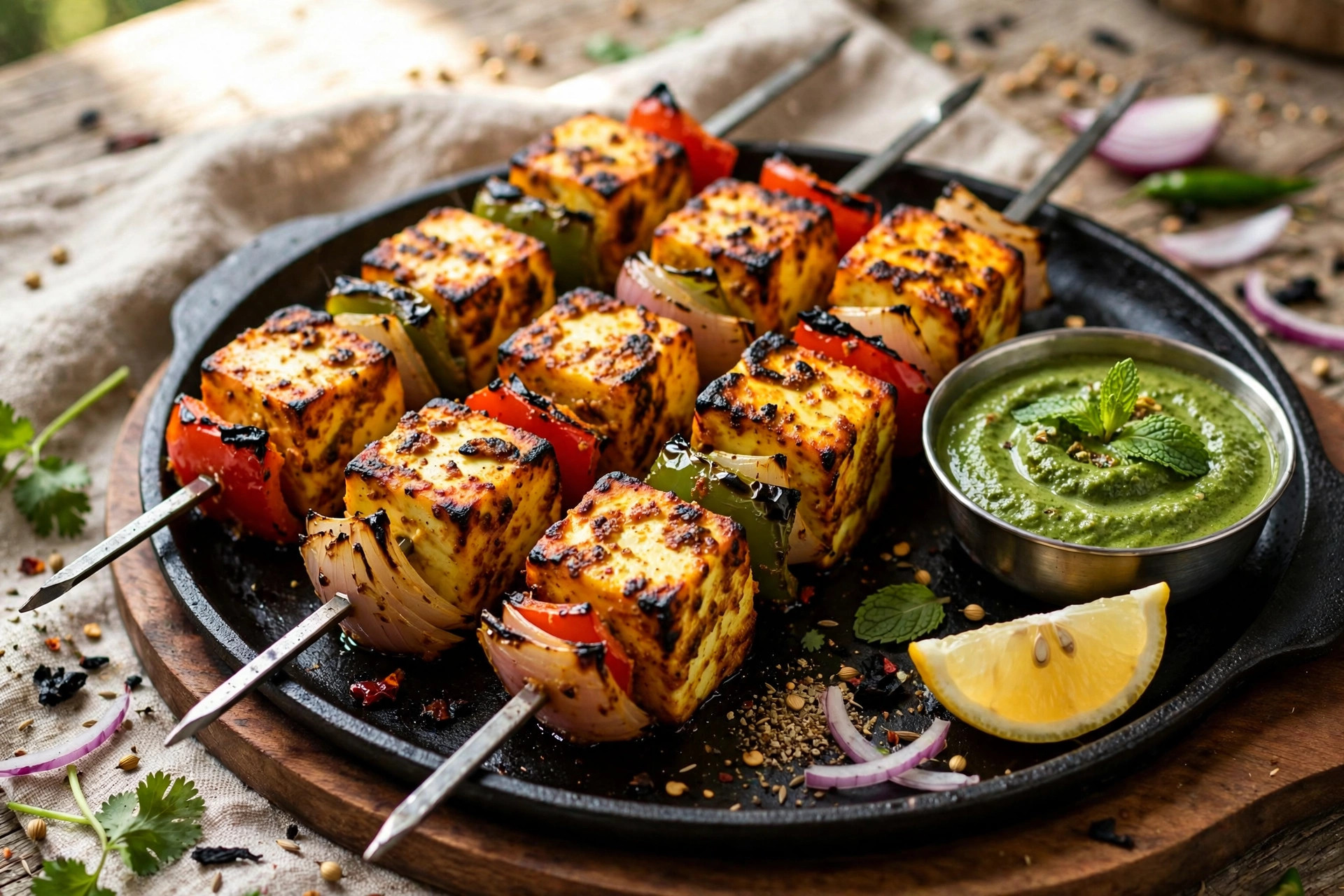
Paneer Tikka is a popular North Indian starter of paneer cubes marinated in spiced hung curd and cooked until the edges char lightly and the centre stays soft. This is a home version made in an oven, on a grill, or on a tawa — a clay tandoor is not required, and the marinade does most of the work. The taste is smoky, tangy, and warmly spiced, with sweet bites of capsicum and onion between the paneer. Serve it hot as a starter or snack, or tuck it into wraps and rolls. The marination takes about 30 minutes and is inactive time, so it is not counted in the prep time below. One practical tip: use hung or very thick curd and pat the paneer dry first — a watery marinade slides off and the tikka steams instead of charring.
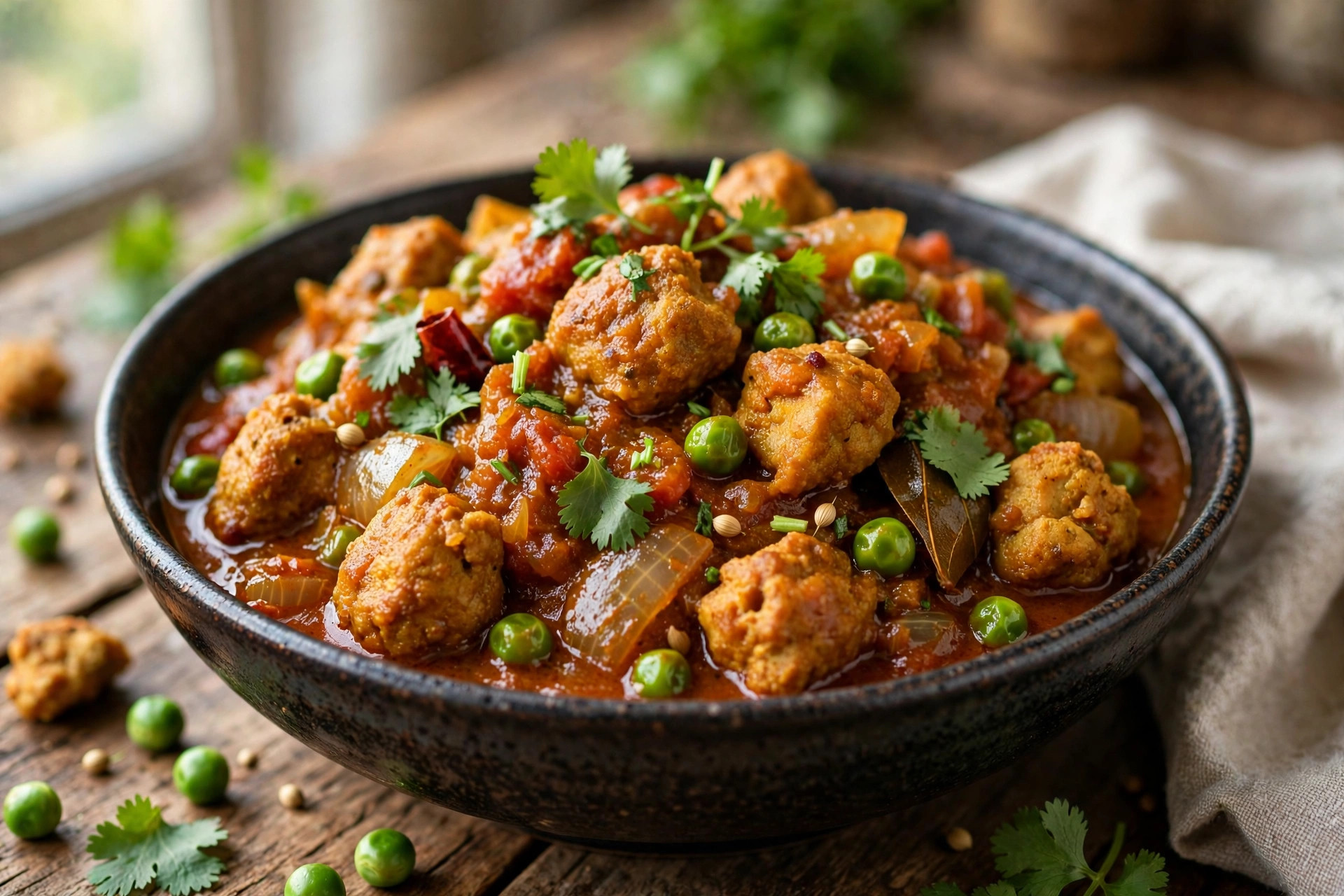
Soya Chunks Curry is a homestyle North Indian curry where soft, spongy soya chunks and green peas soak up a well-cooked onion-tomato masala flavoured with coriander, turmeric and garam masala. The chunks turn juicy and satisfying once they absorb the gravy, giving the curry a hearty bite without any meat. Soya is well known as a concentrated source of plant protein, so this curry can fit into a balanced diet for people looking to add more protein-rich vegetarian options to regular meals, served with roti, paratha, jeera rice or plain steamed rice. Practical tip: squeeze the boiled soya chunks well before adding them to the masala — removing the extra water helps them absorb the gravy instead of diluting it, and it also improves their texture.
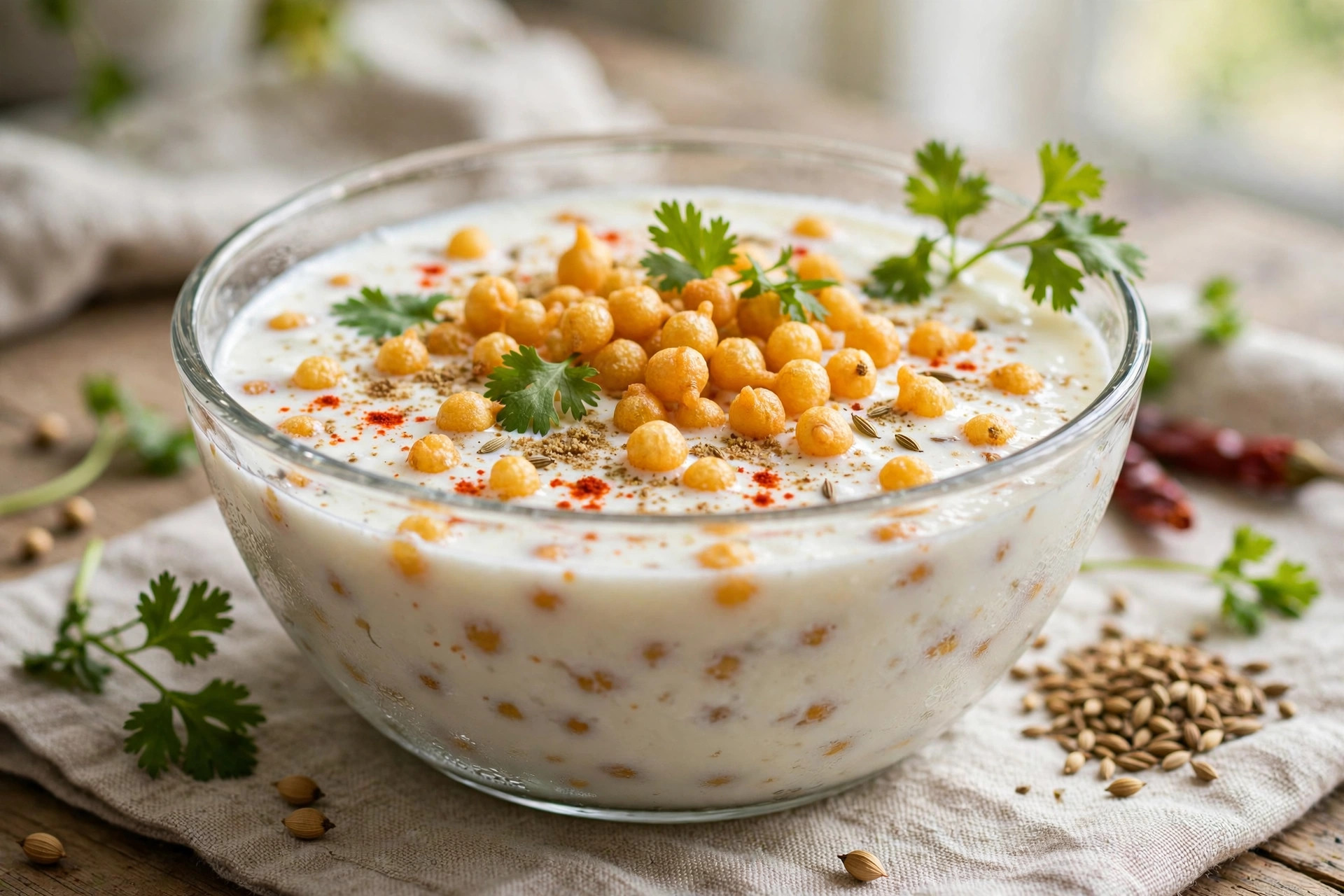
Boondi Raita is a cooling side dish of whisked curd mixed with crisp, tiny fried gram flour balls called boondi, seasoned with roasted cumin, black salt, and a pinch of chilli. It is creamy and mildly tangy, with soft boondi in some bites and a light crunch when served fresh. It is most often served with biryani, pulao, parathas, and spicy curries to balance the heat of a meal. This is a no-cook recipe, so the only real work is whisking the curd smooth and seasoning it well. A practical tip: add the boondi just before serving if you like it crisp, or 15 minutes earlier if you prefer it soft.
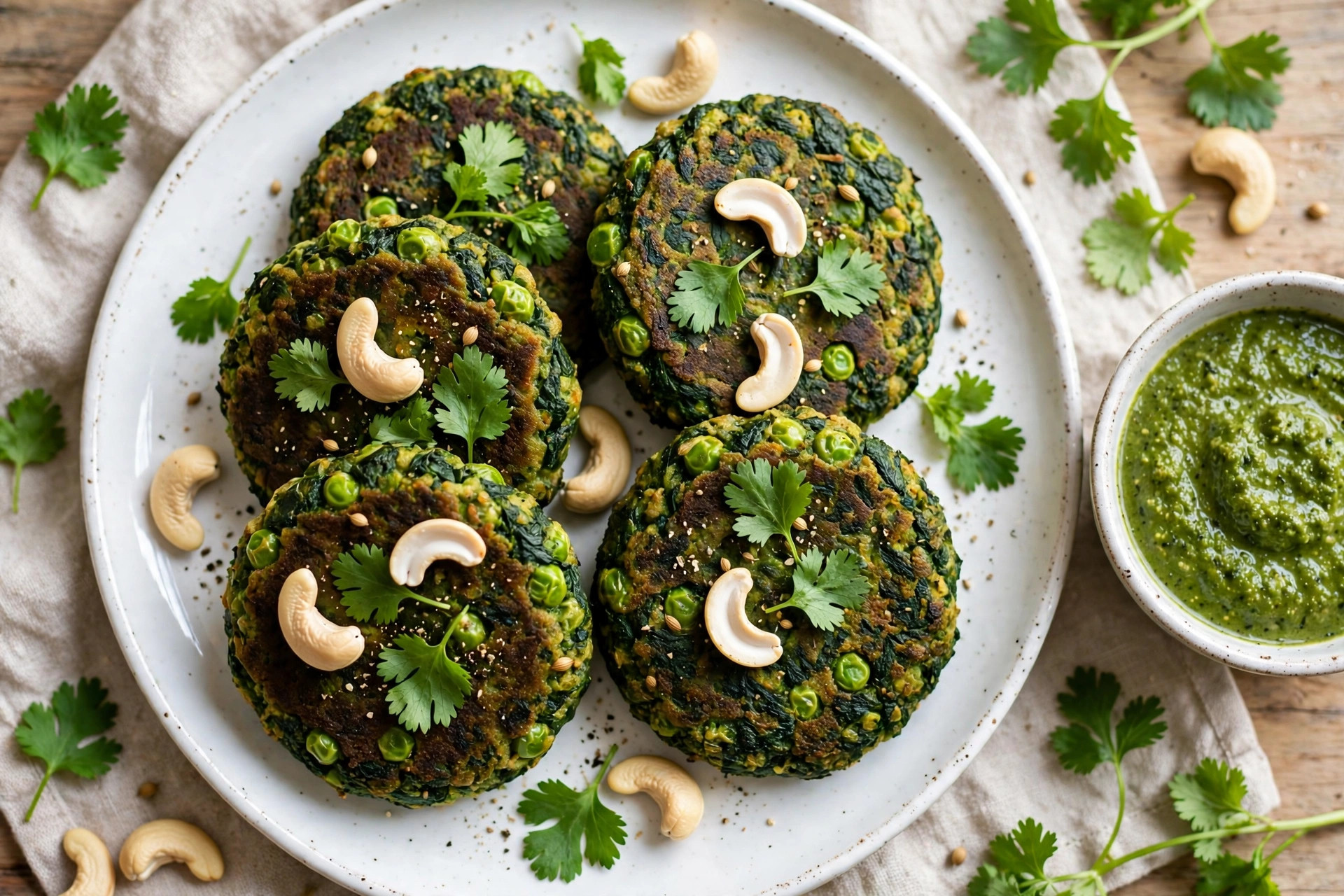
Hara Bhara Kebab is a bright green vegetarian starter made with spinach, green peas, and potato, flavoured with ginger, green chillies, and warm spices. The patties are crisp on the outside and soft inside, with a cashew pressed on top for a gentle crunch. They are a handy make-ahead option for guests, tiffin boxes, or an evening snack with mint chutney and tea. Serve them hot straight from the pan, as they lose their crispness as they cool. A practical tip: squeeze the blanched spinach very dry before mixing, otherwise the mixture becomes wet and the kebabs can break while shallow-frying.
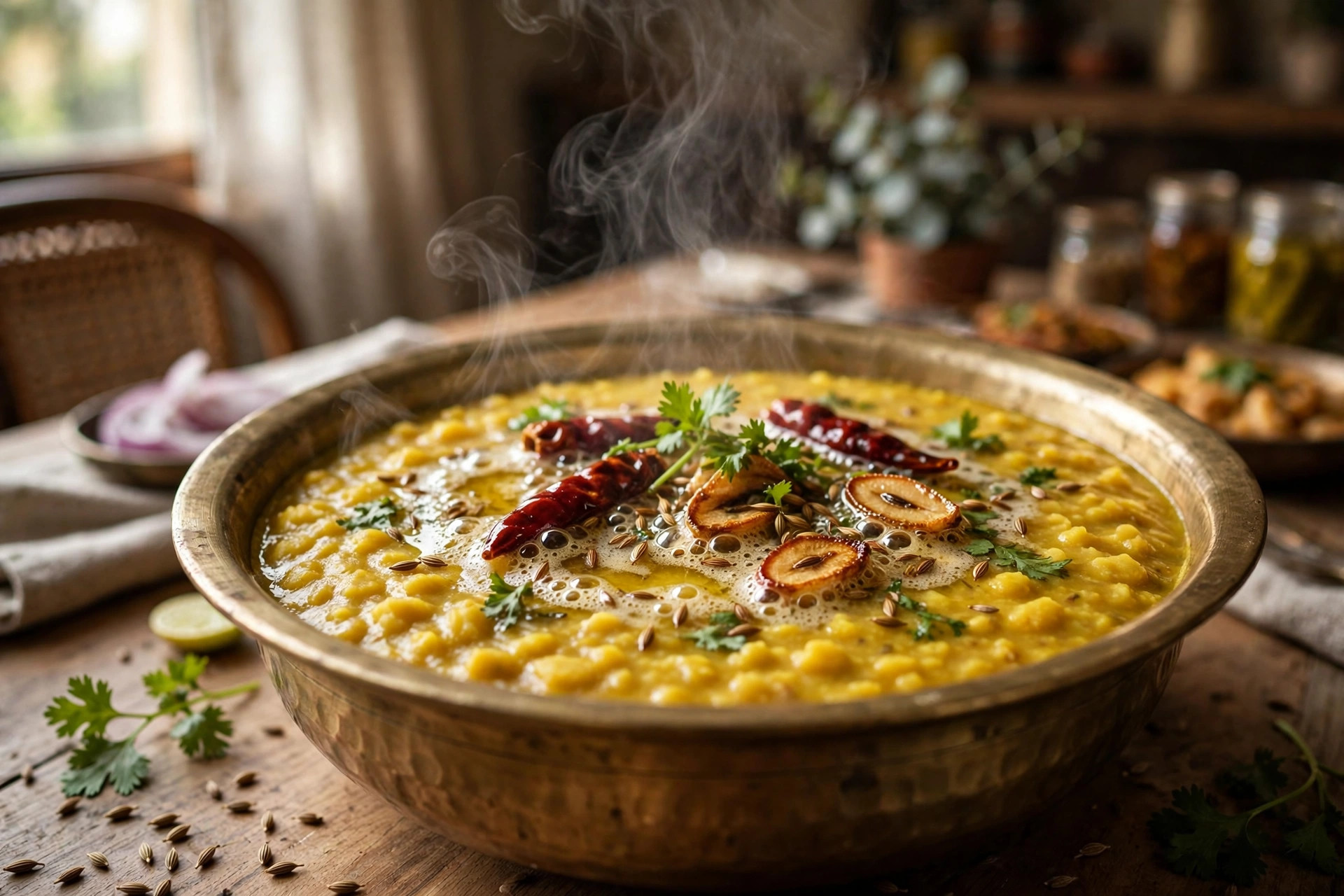
Dal Tadka is a homestyle yellow dal made from arhar (toor) dal pressure-cooked until soft, simmered with a simple onion-tomato base, and finished with a sizzling tadka of ghee, garlic, cumin and dried red chillies poured over the top just before serving. The dal itself is smooth and mildly spiced, while the tadka adds the aroma and flavour that make the dish special. It is an everyday lunch or dinner staple served with steamed rice or rotis, and a little extra ghee on top is very welcome. A practical tip: add the tadka at the very end and cover the dal for 2 minutes — the dal absorbs the smoky garlic flavour much better than if you stir and serve immediately.
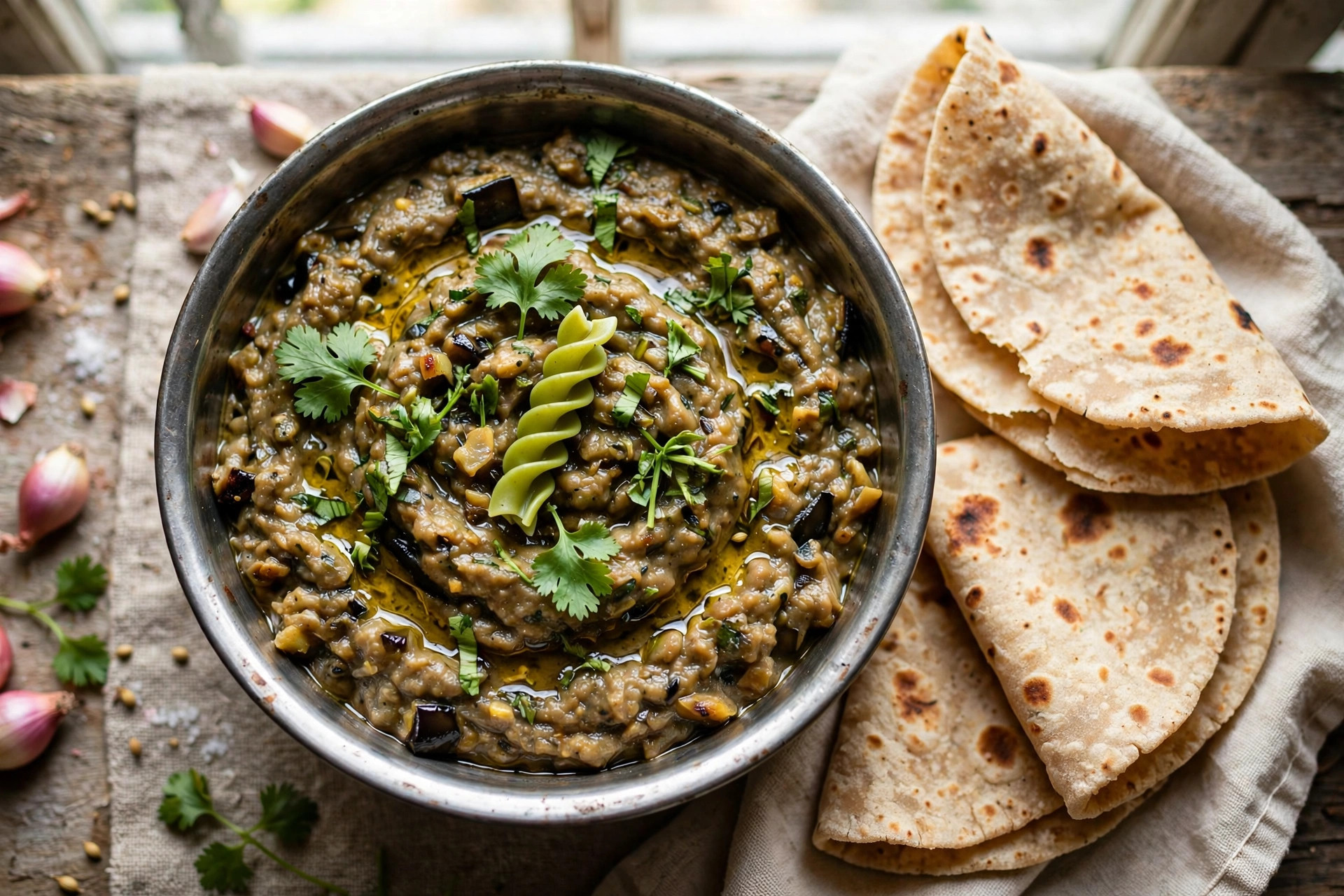
Baingan Bharta is a smoky, mashed brinjal sabzi made by roasting a large brinjal directly over a flame until the skin chars and the flesh turns soft and fragrant, then cooking it with onion, tomato, ginger, garlic and everyday spices. The texture is soft and slightly chunky, not smooth like a puree, and the flavour is earthy with a gentle heat from green chillies. It is a comforting dinner dish that pairs beautifully with hot rotis, phulkas or even plain dal and rice. Serve it fresh and hot, because it loses its smoky punch on reheating. A practical tip: roast the brinjal until it completely collapses and feels heavy and soft — under-roasted brinjal stays spongy and never mashes well.
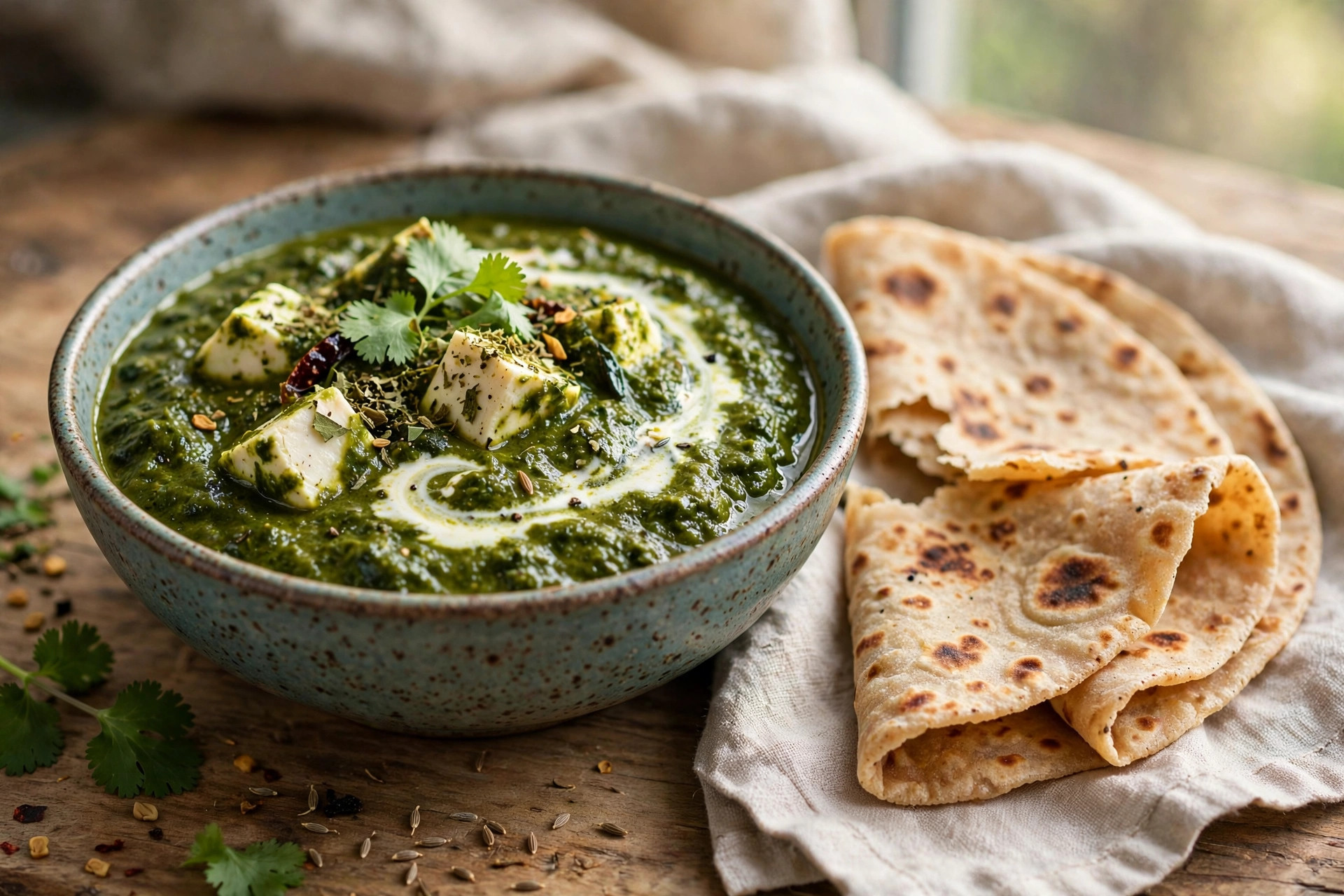
Palak paneer is a spinach curry, first and last. The green gravy is the dish: spinach blanched briefly to keep its colour, blended smooth, and cooked with a measured onion-tomato masala so the spinach flavour stays in front. Paneer cubes are added at the end and warmed through, not fried hard or simmered for long, so they stay soft. A little fresh cream softens the edges, and garam masala and kasuri methi finish it without turning it into a generic paneer curry. This is deliberately different from a tomato-rich paneer butter masala — there is no butter-heavy makhani base here. Serve it with roti, naan or jeera rice for a dinner that feels complete without being heavy to make.