North Indian
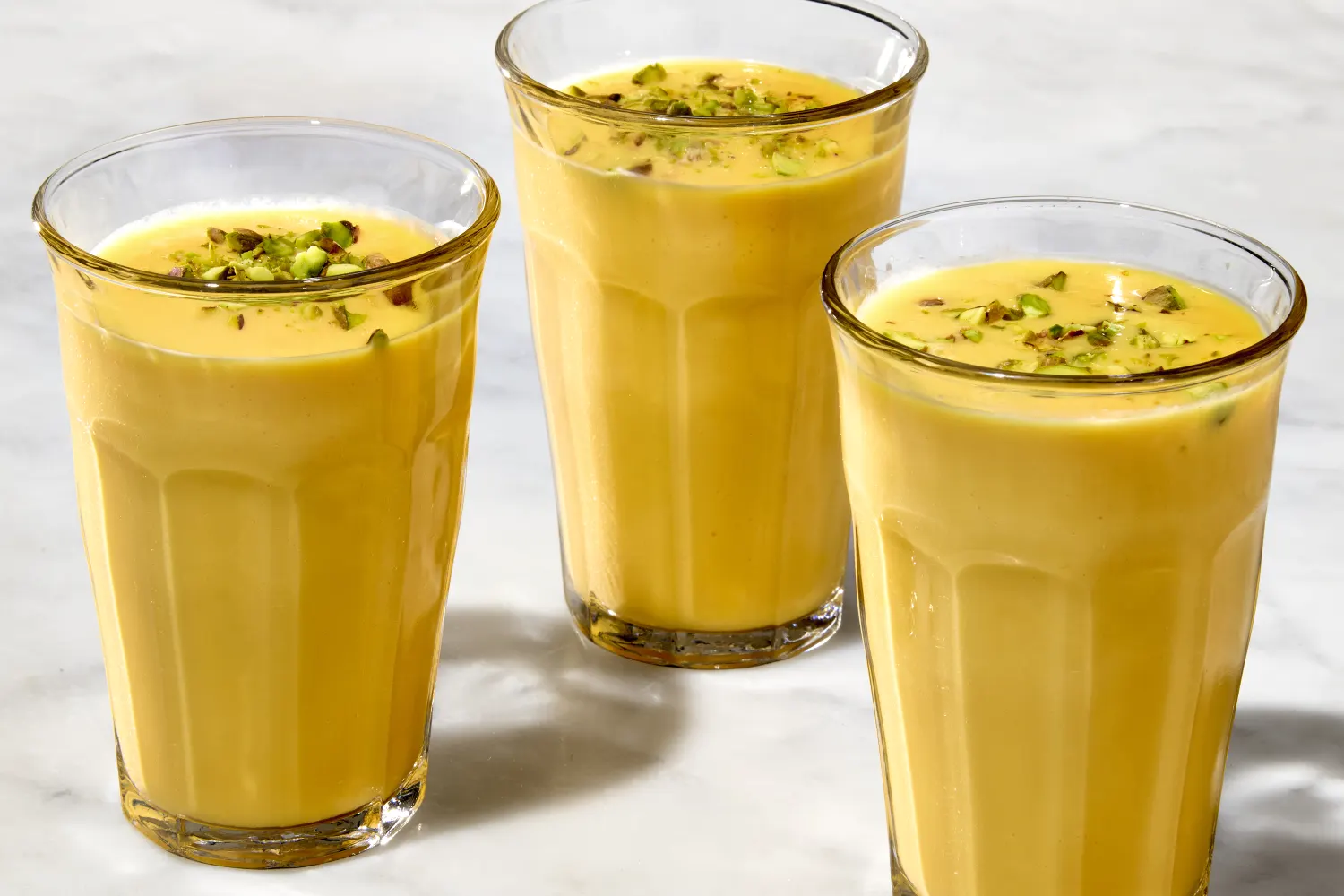
Mango Lassi
Thick, creamy and sunshine-sweet — the classic Indian mango lassi, blended in 5 minutes flat.
Step-by-step recipes for breakfast, lunch, dinner, snacks and more — tested in our kitchen so they work in yours.
Thick, creamy and sunshine-sweet — the classic Indian mango lassi, blended in 5 minutes flat.
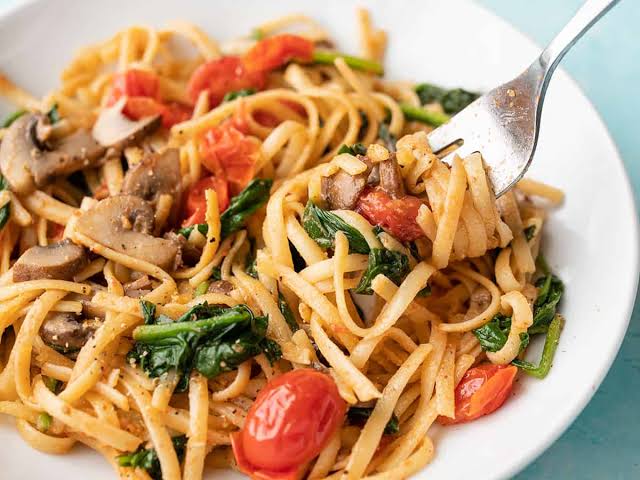
A colourful, weeknight-friendly pasta with garden vegetables in a light garlic-tomato sauce — ready in 30 minutes.
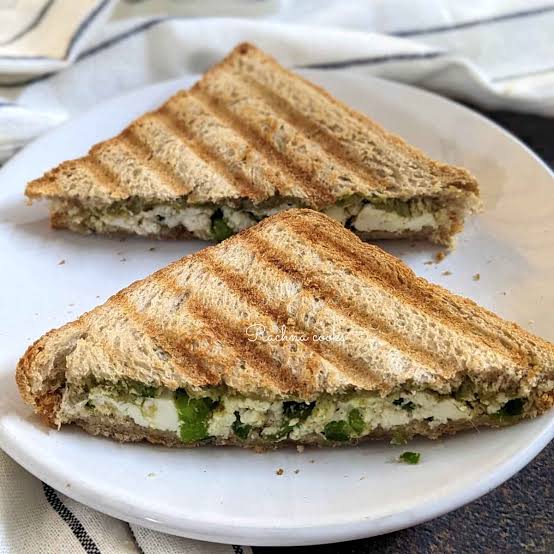
Crisp golden bread stuffed with spiced paneer, crunchy vegetables and tangy green chutney — a cafe-style sandwich at home.
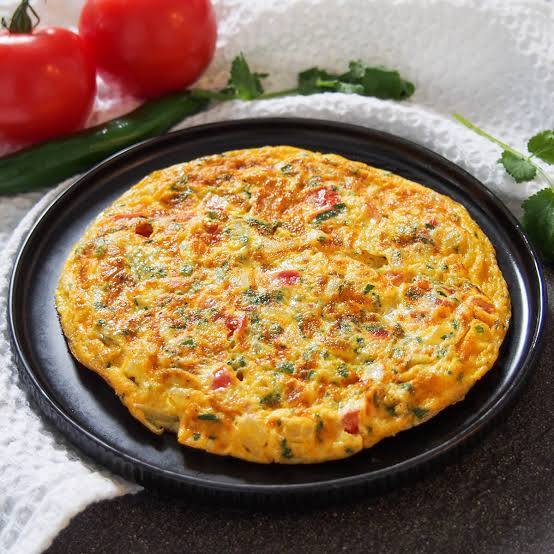
Fluffy eggs loaded with onion, tomato, green chilli and warm spices — the 10-minute breakfast that never disappoints.
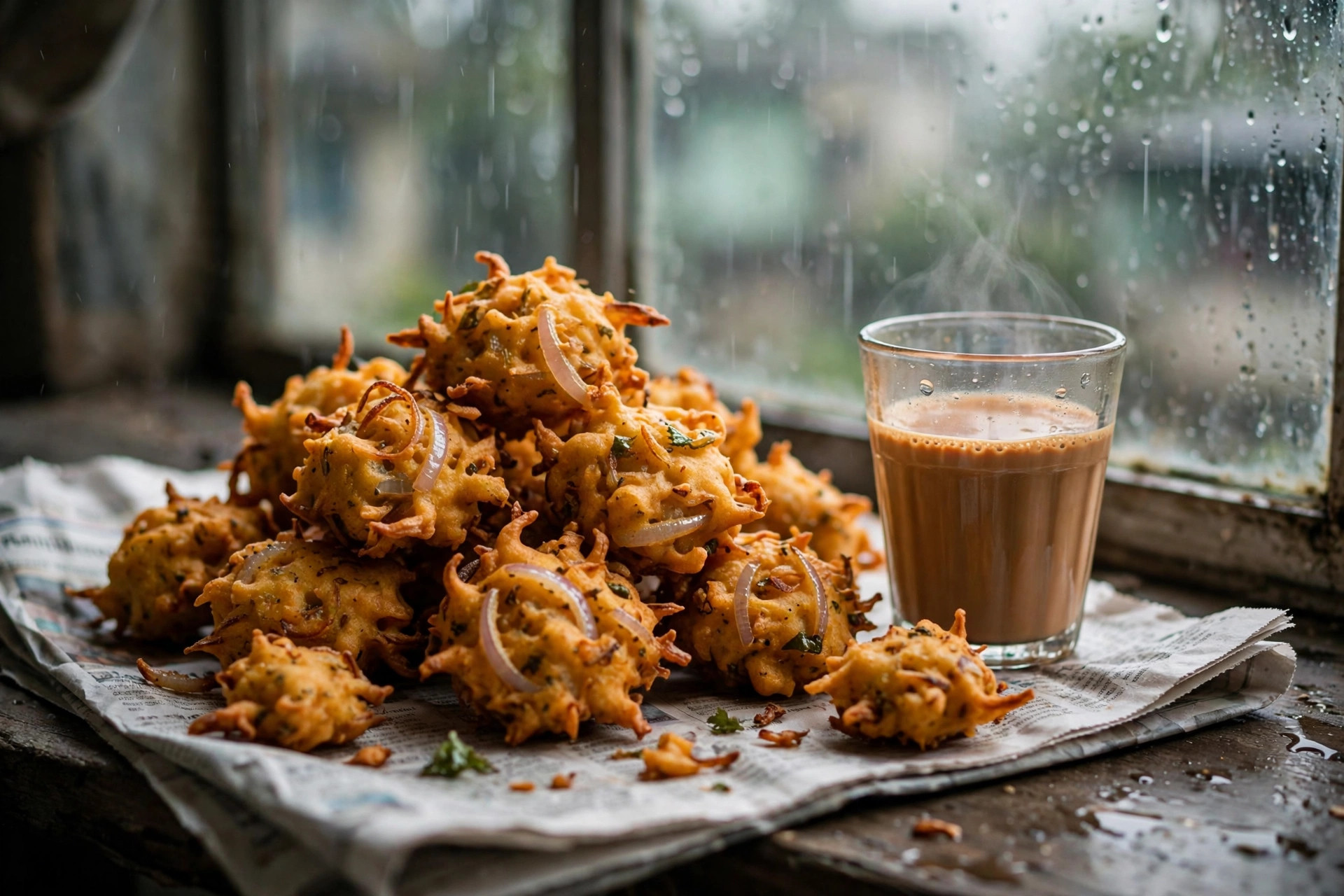
Kanda Bhaji is the Maharashtrian onion pakoda that belongs to a rainy afternoon — thinly sliced onions mixed with besan, rice flour, green chilli, and ajwain, dropped by hand into hot oil and fried until lacy, crisp, and deep golden at the edges. The centre stays just tender, the edges crunch, and a glass of hot cutting chai on the side completes it. The practical secret is to add almost no water: salt the onions first and let them rest for 10 minutes, and their own moisture is usually enough to bind the batter. A watery batter makes bhaji that soak up oil and go soft within minutes.
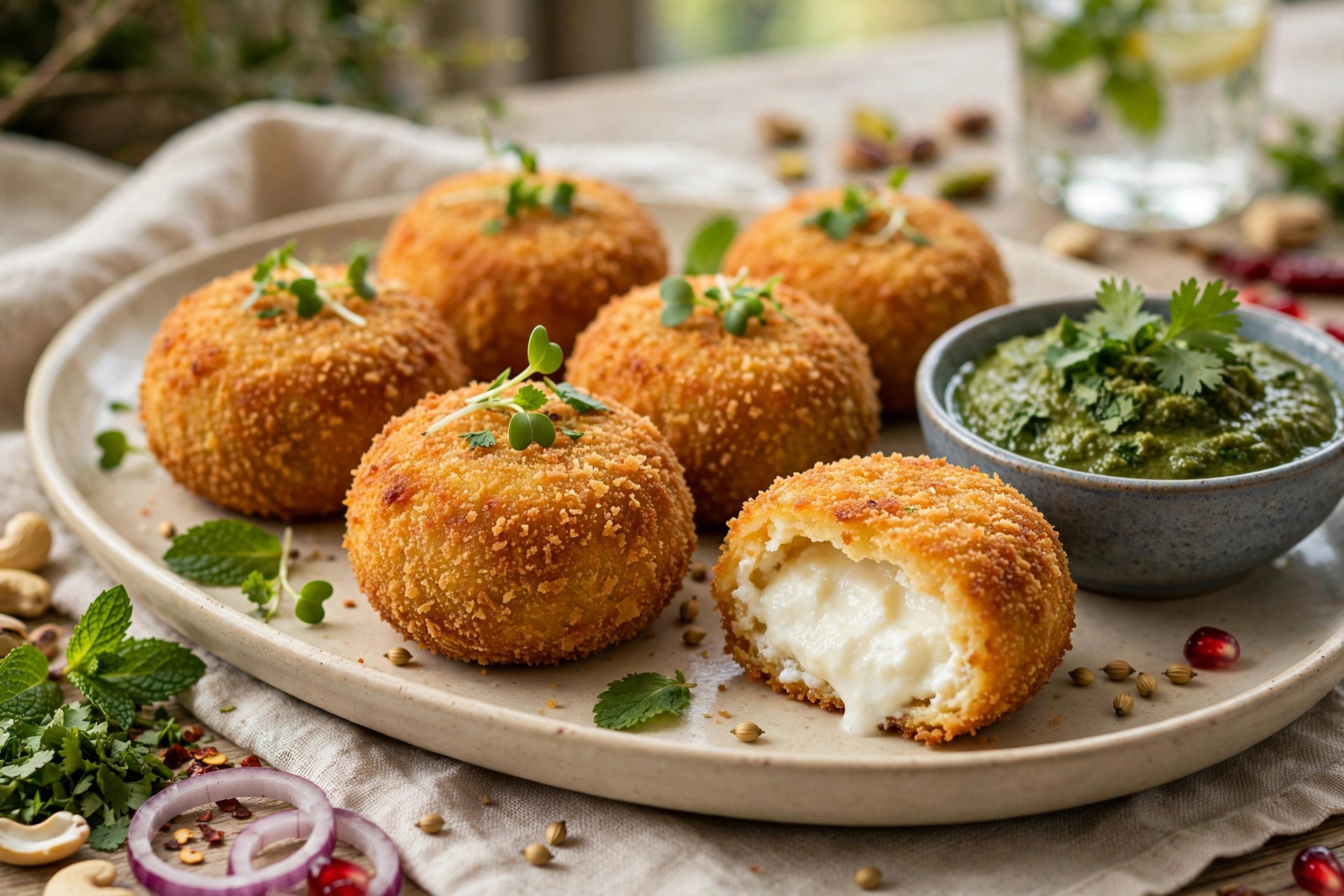
Dahi ke Kebab is a delicate Awadhi-style party starter with a crisp golden crust and a soft, almost creamy centre made from hung curd and paneer, gently spiced with ginger, green chilli, and garam masala. The contrast is the whole point — crunchy outside, melt-in-the-mouth inside — and it is best eaten hot, straight off the tawa, with green chutney. The one thing this recipe needs is planning: the curd must drain for several hours to become thick enough to shape, and rushing that step is the most common reason the kebabs fall apart. Chilling the shaped kebabs for 20 minutes before frying also helps them hold together neatly.
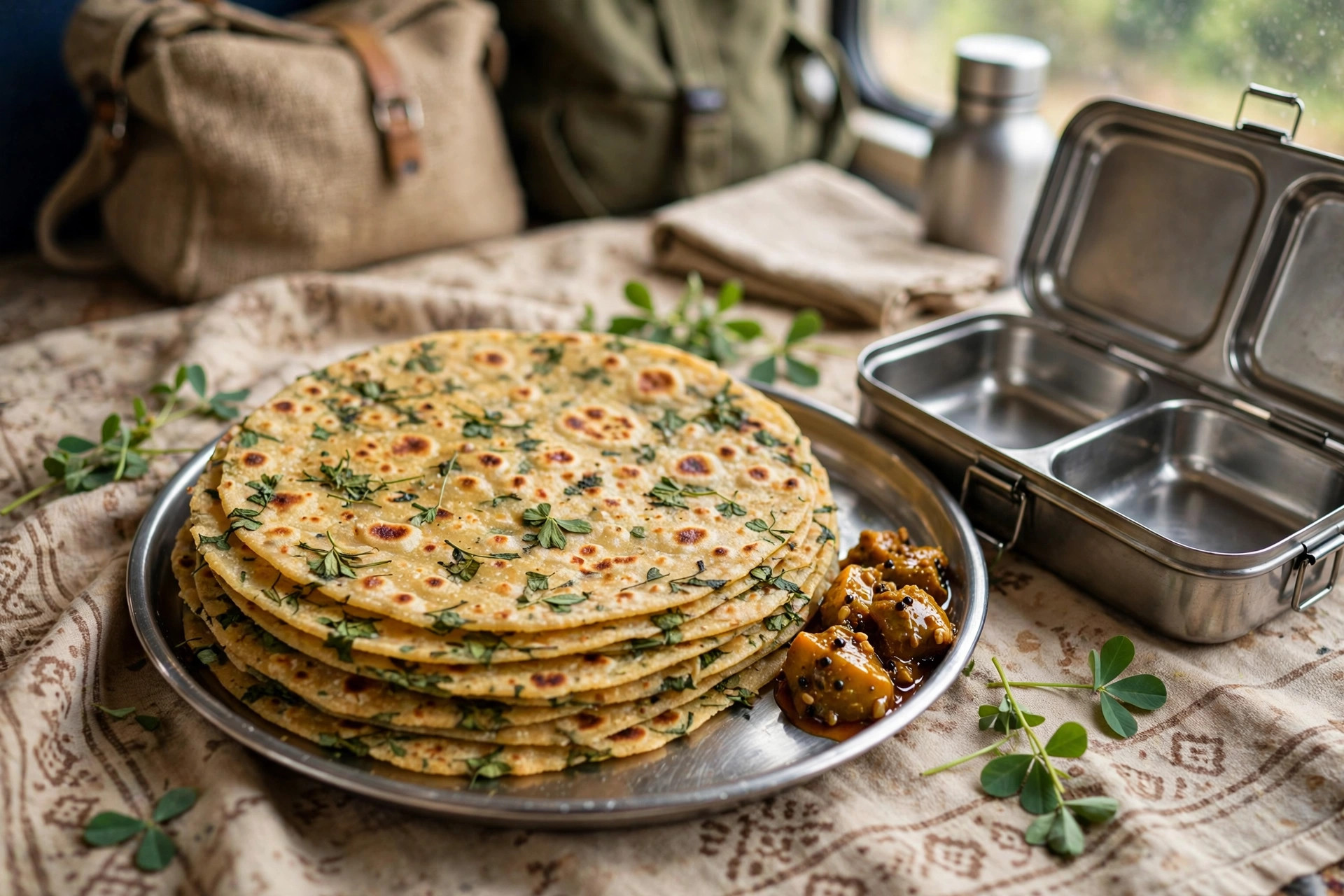
Methi Thepla is a soft, thin Gujarati flatbread made with whole wheat flour, fresh fenugreek leaves, curd, and everyday spices, rolled very thin and cooked with a little oil until golden spots appear. It has a gentle bitterness from the methi, balanced by the spices and the slight tang of curd, and it stays soft for hours — which is exactly why it is a favourite for lunchboxes, train journeys, and picnics. A practical tip: wash and dry the methi leaves well before chopping, and rest the dough for at least 15 minutes. Wet leaves make the dough sticky, and an unrested dough springs back when you try to roll it thin.
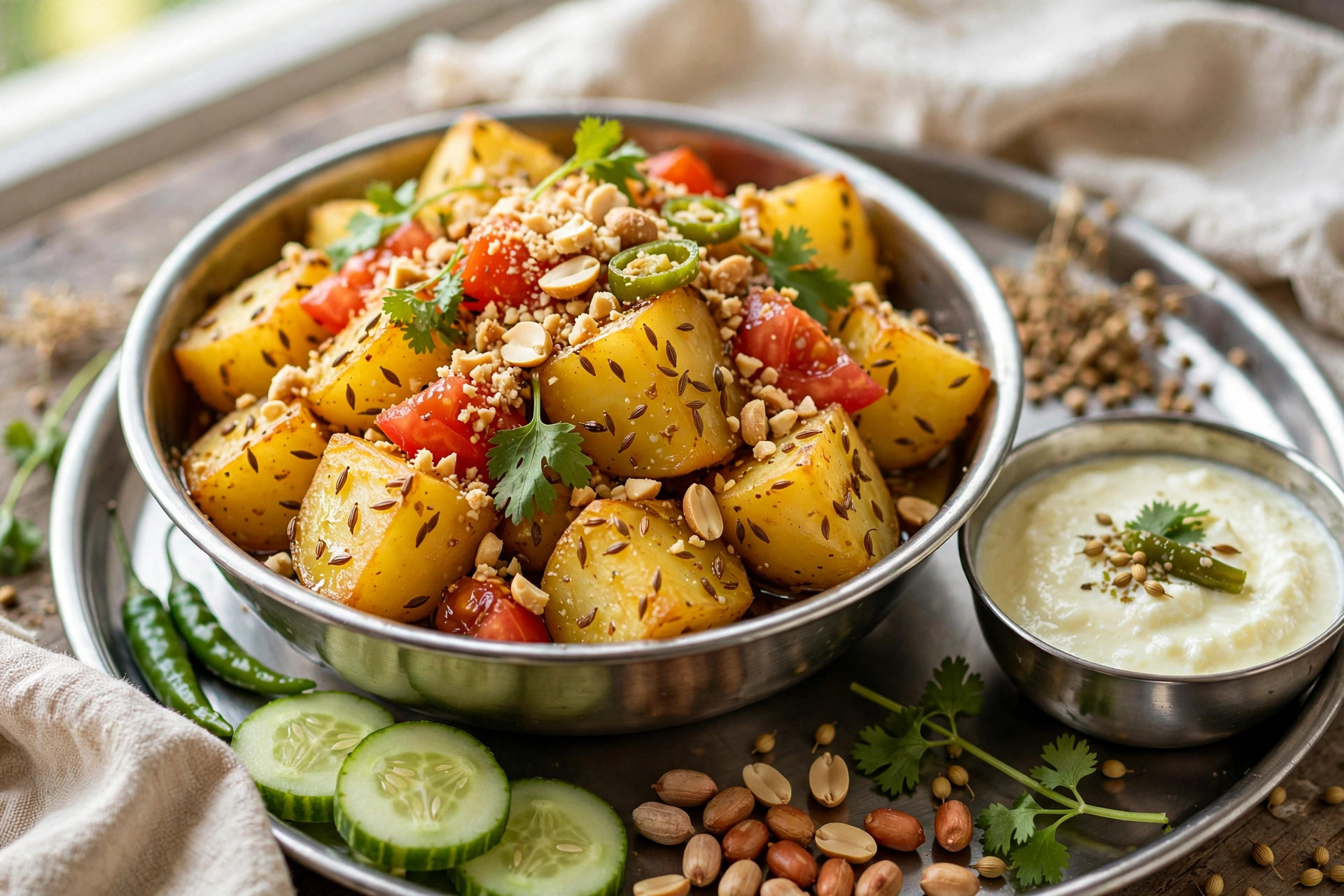
Vrat Wale Aloo is a simple, comforting potato dish made for fasting days, with boiled potatoes tossed in ghee with cumin, green chilli, ginger, and roasted peanuts, finished with lemon and fresh coriander. It is soft, mildly tangy, and satisfying without being heavy, and it pairs well with kuttu or singhara rotis and curd where those are part of a family's fast. Vrat rules differ by family and region, and this version follows common practice — it uses sendha namak (rock salt) instead of regular salt, and contains no onion, no garlic, and no grains or wheat. Please adapt the ingredients to your own household tradition if yours is different.
Gujiya, called karanji in many homes, is a crescent-shaped sweet pastry with a crisp, flaky shell and a rich filling of mawa, coconut, nuts, and raisins, lightly scented with cardamom. The outside turns golden and slightly blistered on frying, while the inside stays soft, sweet, and nutty. It is made in large batches for Holi and Diwali, shared with guests, packed into sweet boxes, and eaten over several days after the festival. Roll the dough thin but not paper-thin, and seal the edges very well with a little water so the filling does not leak into the oil. Frying on medium heat, not high, is what gives an even colour and a shell that stays crisp after cooling.
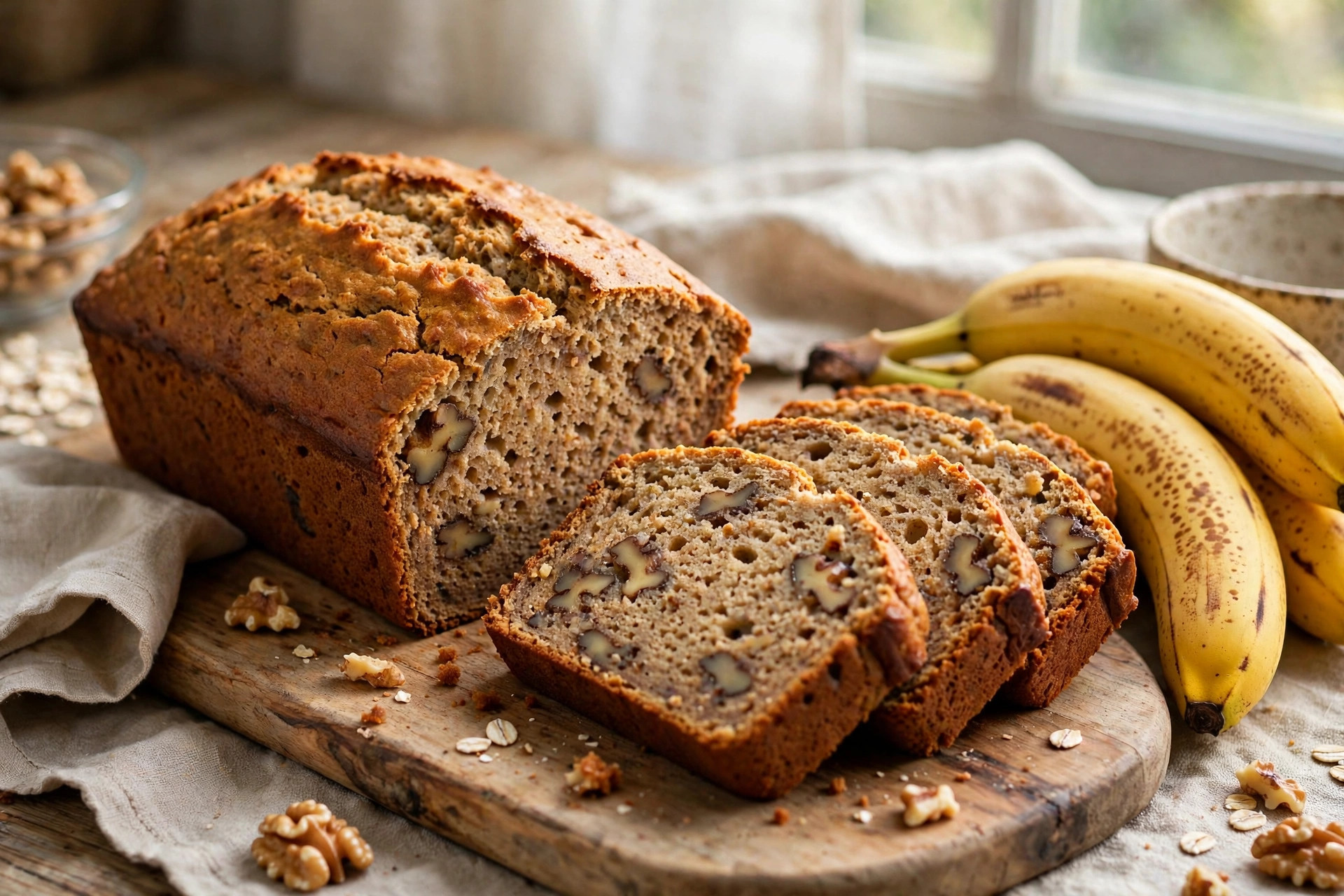
This Eggless Whole Wheat Banana Bread is a soft, moist tea-time loaf made with ripe bananas and whole wheat flour (atta), with no egg used anywhere in the recipe. It tastes gently sweet and banana-rich, with a warm hint of cinnamon, a tender crumb and a little crunch from walnuts. Bake it at 180°C for about 45 minutes — the Cook Time in this recipe — and serve it warm or at room temperature with tea or coffee, or pack slices for a snack box. This recipe makes 10 slices. One practical tip: use bananas that are ripe with dark spots on the skin, mash them completely smooth, and do not overmix the batter after adding the flour, or the loaf can turn dense.
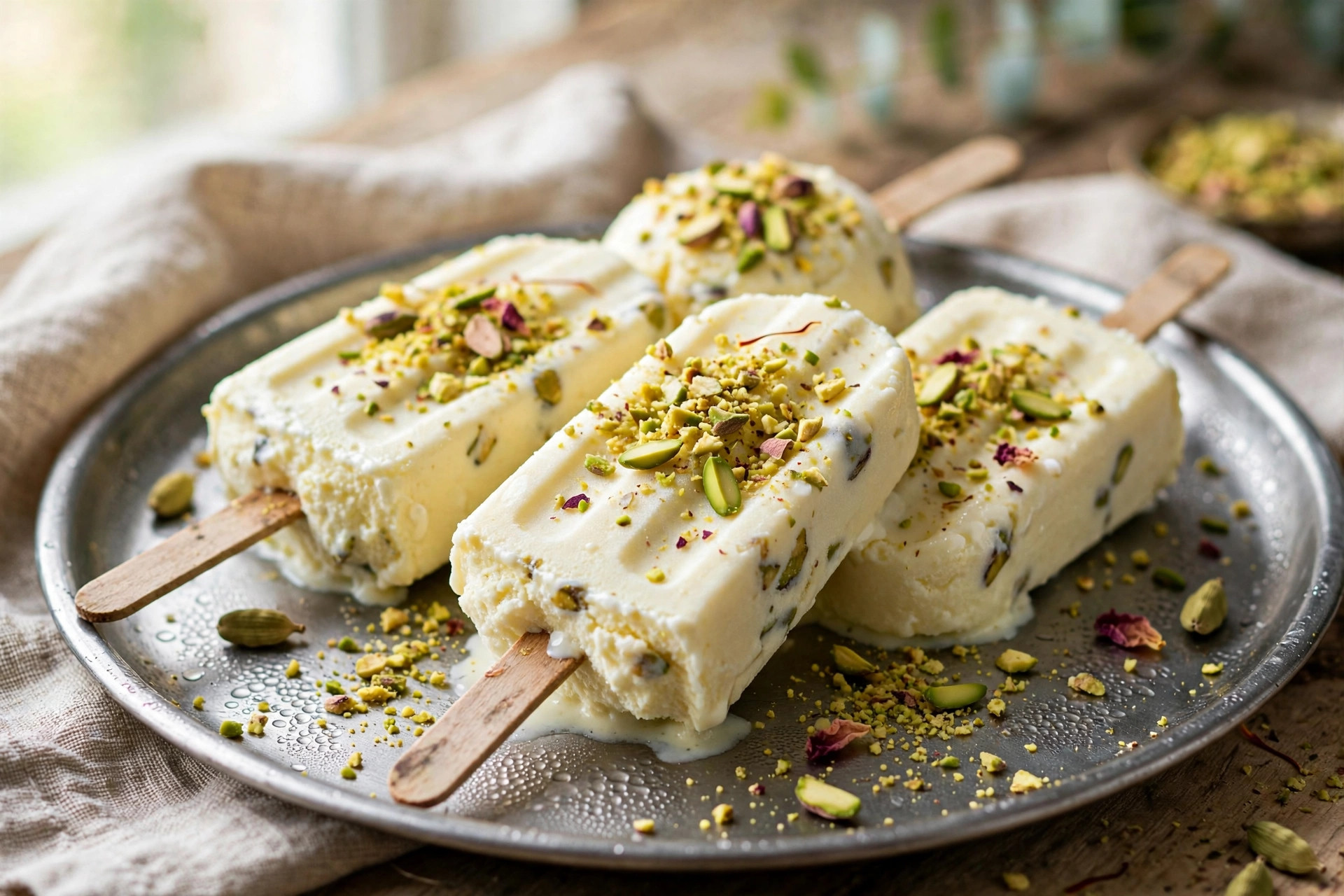
Malai Kulfi is a dense, creamy frozen dessert made by reducing milk slowly until it thickens, sweetening it, and freezing it in moulds. Unlike light, churned ice cream, kulfi is firm and rich, with a malai-like taste, a gentle cardamom flavour and small pieces of pistachio and almond in every bite. It is a favourite summer treat and a good make-ahead dessert for guests. This recipe makes 8 kulfis. Please note the timing: the Cook Time below is the active milk-reduction time, and the kulfis then need 6–8 hours of inactive freezing time in the freezer before they are ready to unmould and serve. One practical tip: reduce the milk properly and let the mixture cool completely before pouring it into moulds, which helps the kulfi set dense and smooth.
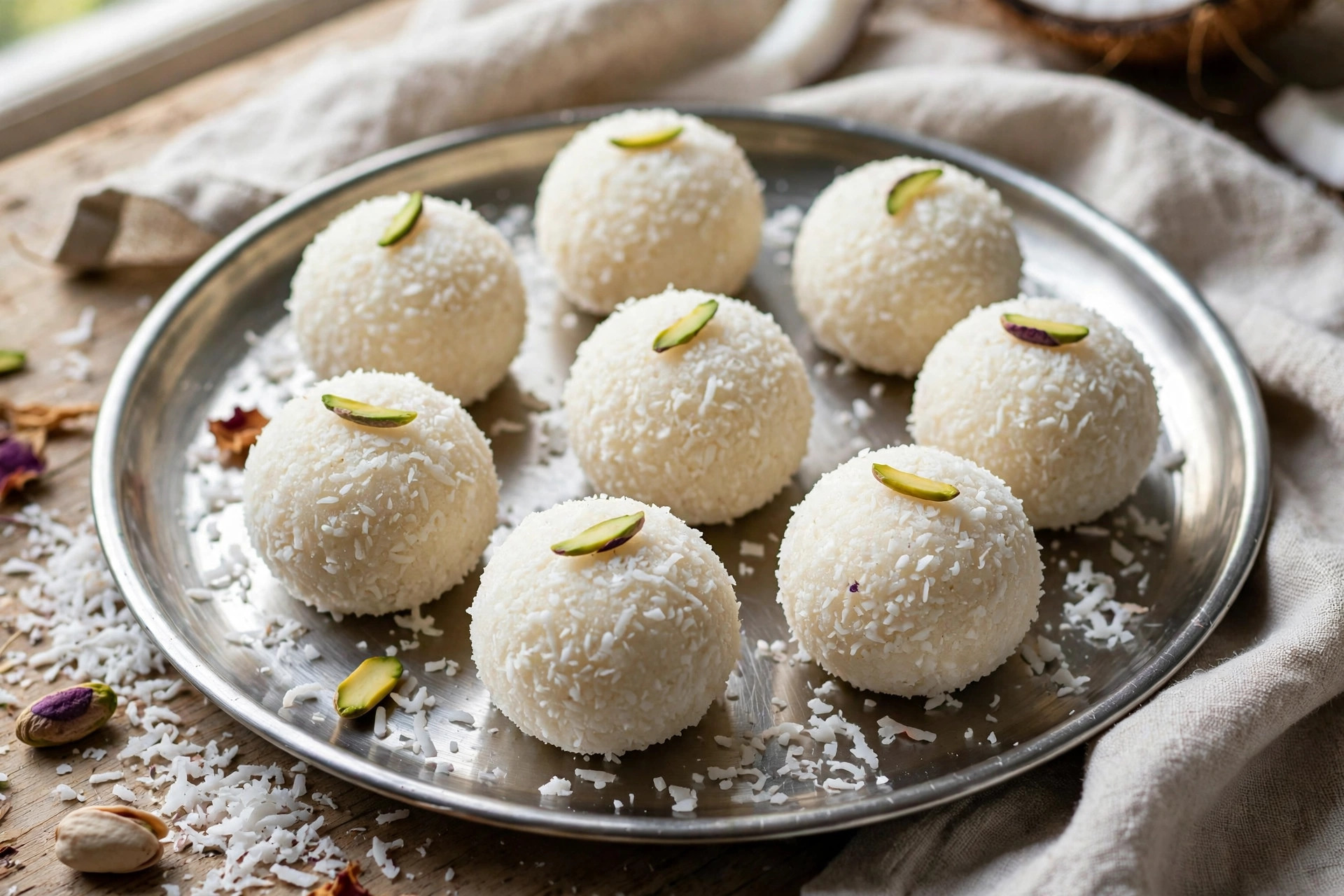
Coconut Ladoo, or Nariyal Ladoo, is a soft, white sweet made from desiccated coconut cooked briefly with condensed milk and cardamom, then rolled into round ladoos. The taste is milky and gently sweet, the texture is soft and slightly chewy, and a light coating of coconut gives each ladoo a neat finish. These are handy for festivals, pooja offerings and last- minute guests because the mixture comes together in one pan and needs no syrup. This recipe makes 12 ladoos. One practical tip: let the mixture cool just enough to handle before rolling, and grease your palms lightly if it sticks — rolling while it is too hot makes loose, flat ladoos.
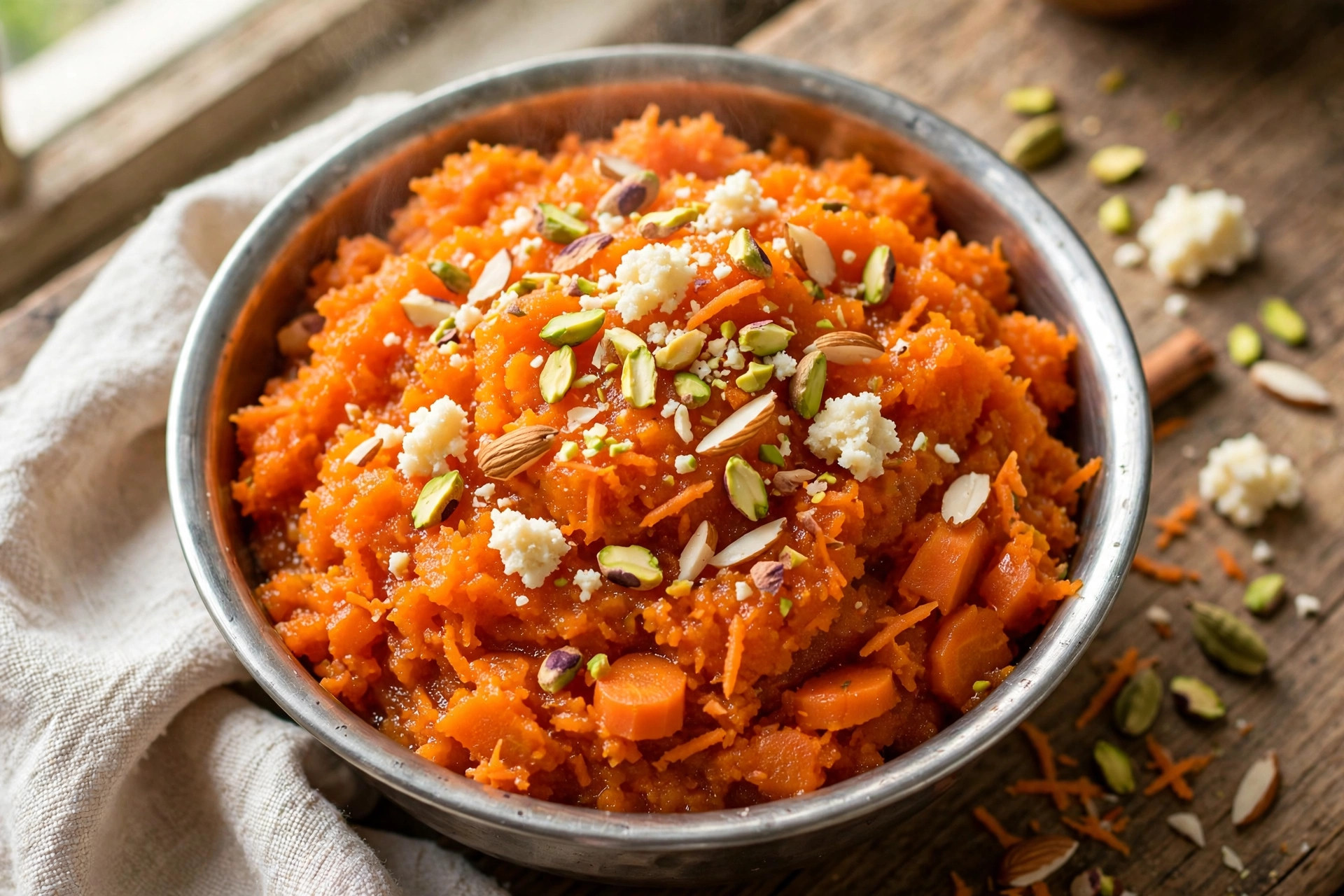
Gajar ka Halwa is a warm carrot pudding made by cooking grated carrots slowly in milk until they turn soft, sweet and almost jammy, then finishing the halwa with ghee, sugar and khoya. It tastes rich and milky with a gentle cardamom note, and the texture is soft with a slight bite from the carrots and chopped nuts on top. It is most loved in winter, when red carrots are in season, and is served warm at family meals and festivals, often in small bowls after lunch or dinner. One practical tip: cook the carrots patiently until the milk is fully absorbed before adding the sugar, because sugar releases moisture and can make the halwa watery if it is added too early.
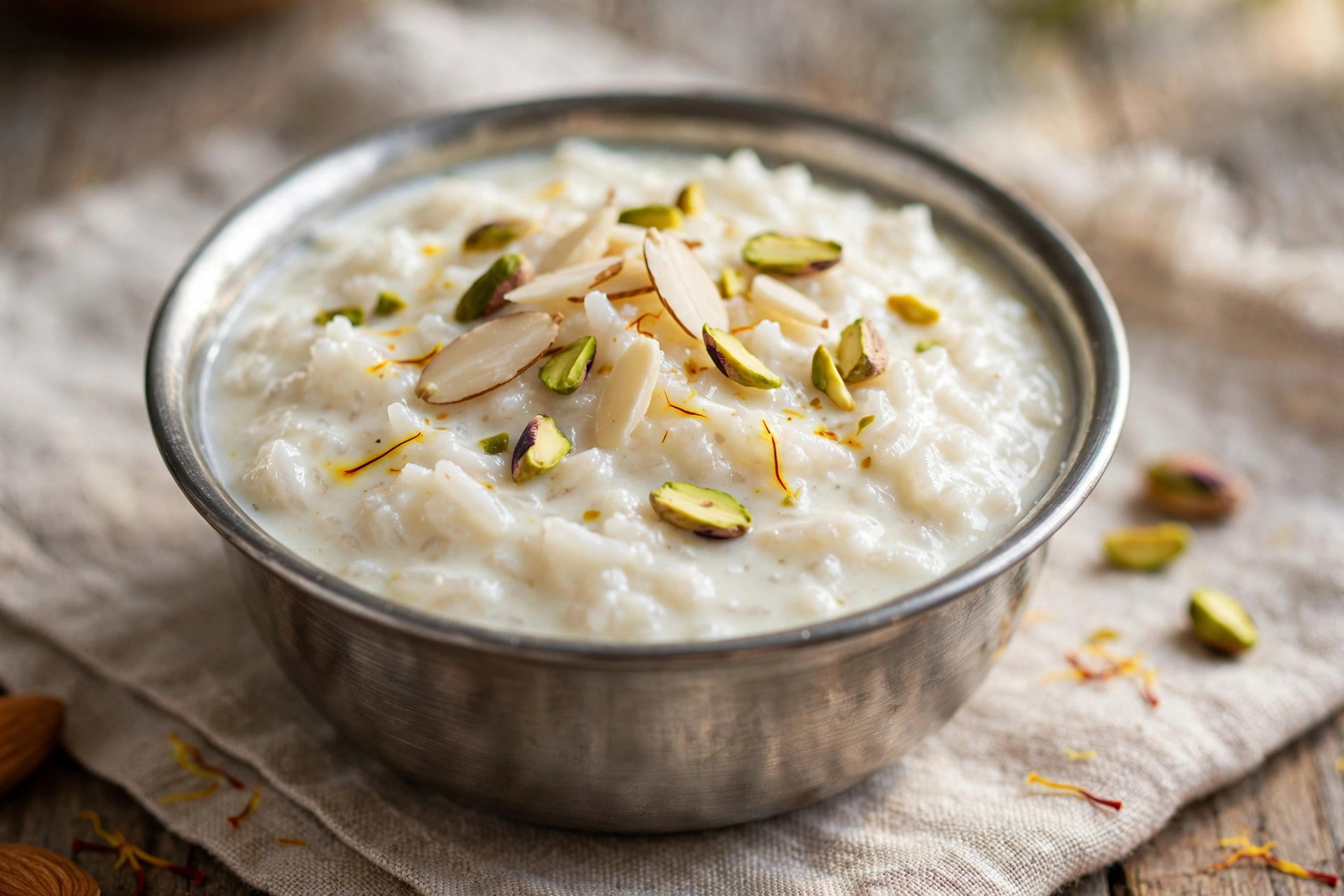
Rice Kheer is a slow-cooked Indian rice pudding made by simmering rice in milk until the grains turn soft and the milk thickens into a creamy, lightly sweet dessert. It has a gentle cardamom flavour, a silky texture with soft bites of rice, and a topping of almonds, pistachios and saffron that adds a little crunch. It is served at festivals, family meals and celebrations, and works equally well warm in winter or chilled in summer. Serve it in small bowls, because it is rich and filling. One practical tip: rinse and soak the rice briefly and stir the milk often as it simmers, so the kheer thickens evenly and does not catch at the base of the pan.
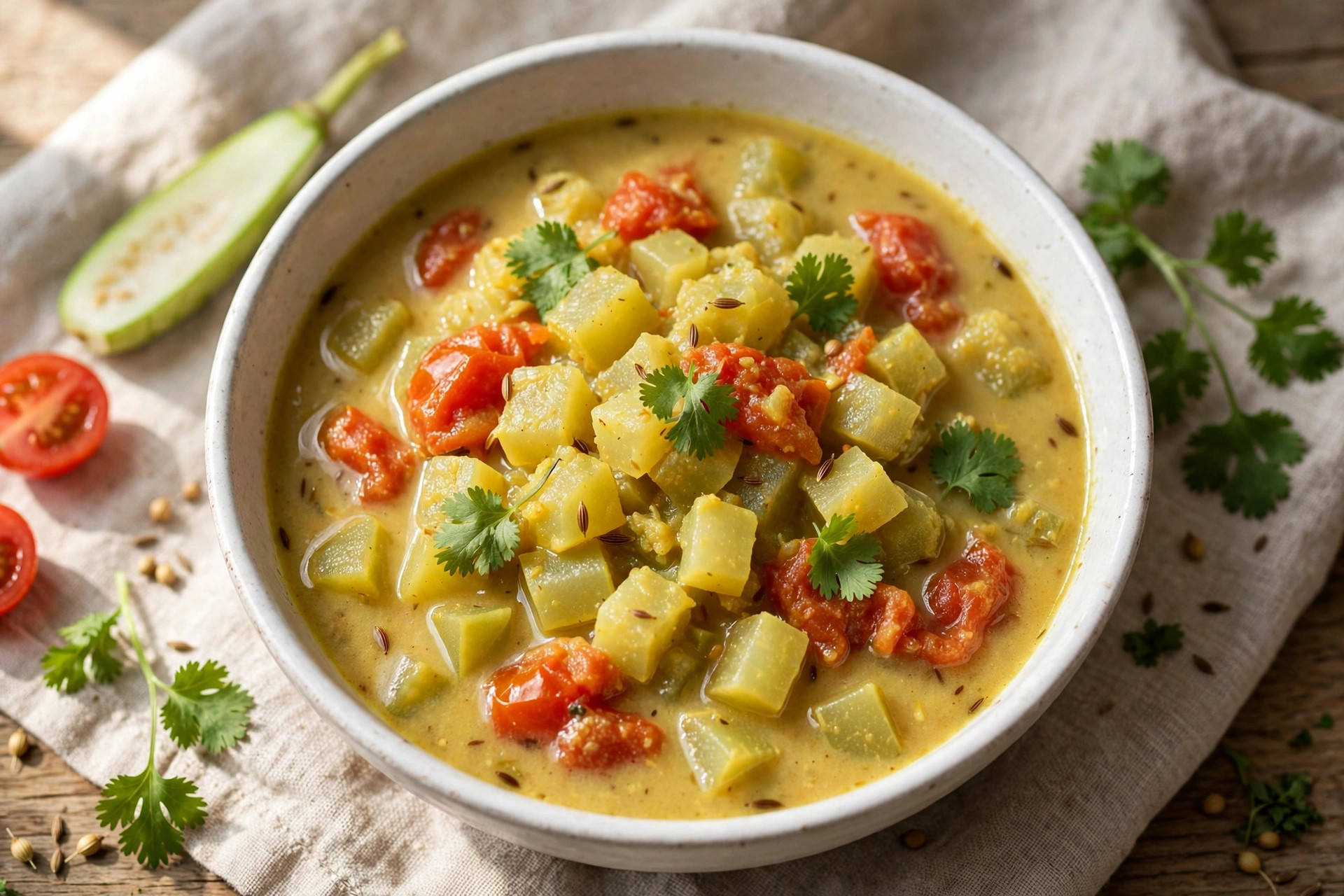
This sattvic lauki-tamatar sabzi is a light, homestyle curry of tender bottle gourd simmered in a fresh tomato base with cumin, ginger, and gentle everyday spices. It is made in the sattvic style, relying on tomato, ginger, and whole spices for flavour rather than strong, pungent aromatics, so the finished dish tastes clean, mildly tangy, and easy to digest as an everyday meal. The gravy is thin and soupy rather than rich, which makes it a good partner for plain steamed rice as well as rotis and phulkas. It suits a simple weekday lunch, a light dinner, or a fasting-day meal where your family's practice permits these ingredients. One practical tip: choose a young, tender lauki with pale, smooth skin and no large seeds — older gourds can taste bitter and stay fibrous even after cooking.
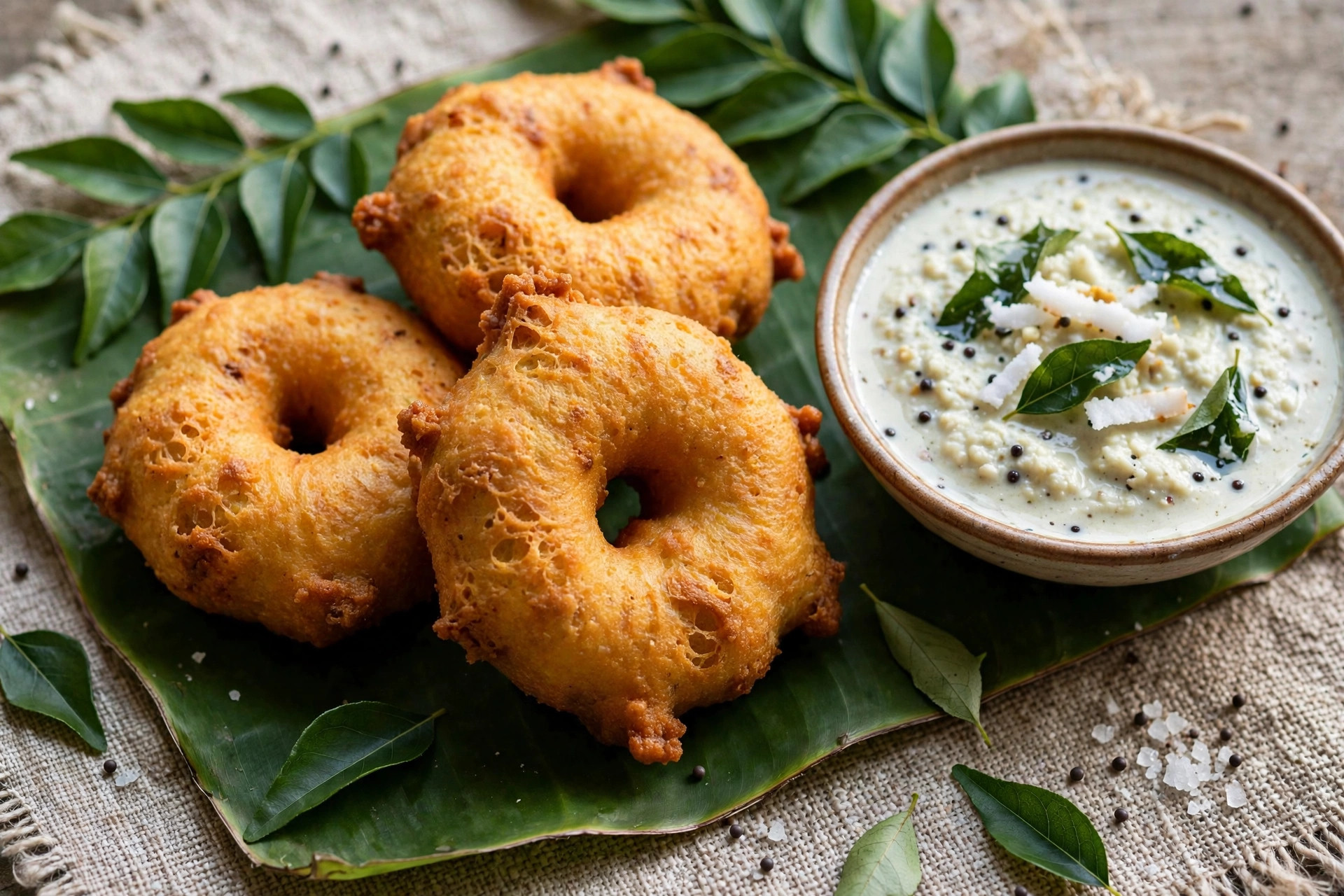
Medu Vada is a crisp, golden South Indian fritter of ground urad dal, shaped like a small doughnut, with a fluffy, soft centre and a crunchy crust. The dal is soaked, ground to a thick, airy batter, and given a short rest — most of that preparation time is inactive soaking and resting, not hands-on work, and it is counted in the prep time below so the total stays honest. The active work is the grinding, shaping, and frying, which together take under an hour. Medu vada is a classic tiffin and breakfast item, usually served with sambar and coconut chutney, and it is also festive enough for a weekend spread. One practical tip: grind with as little water as possible, adding it a spoon at a time — a loose batter will not hold its shape and will drink up oil while frying.
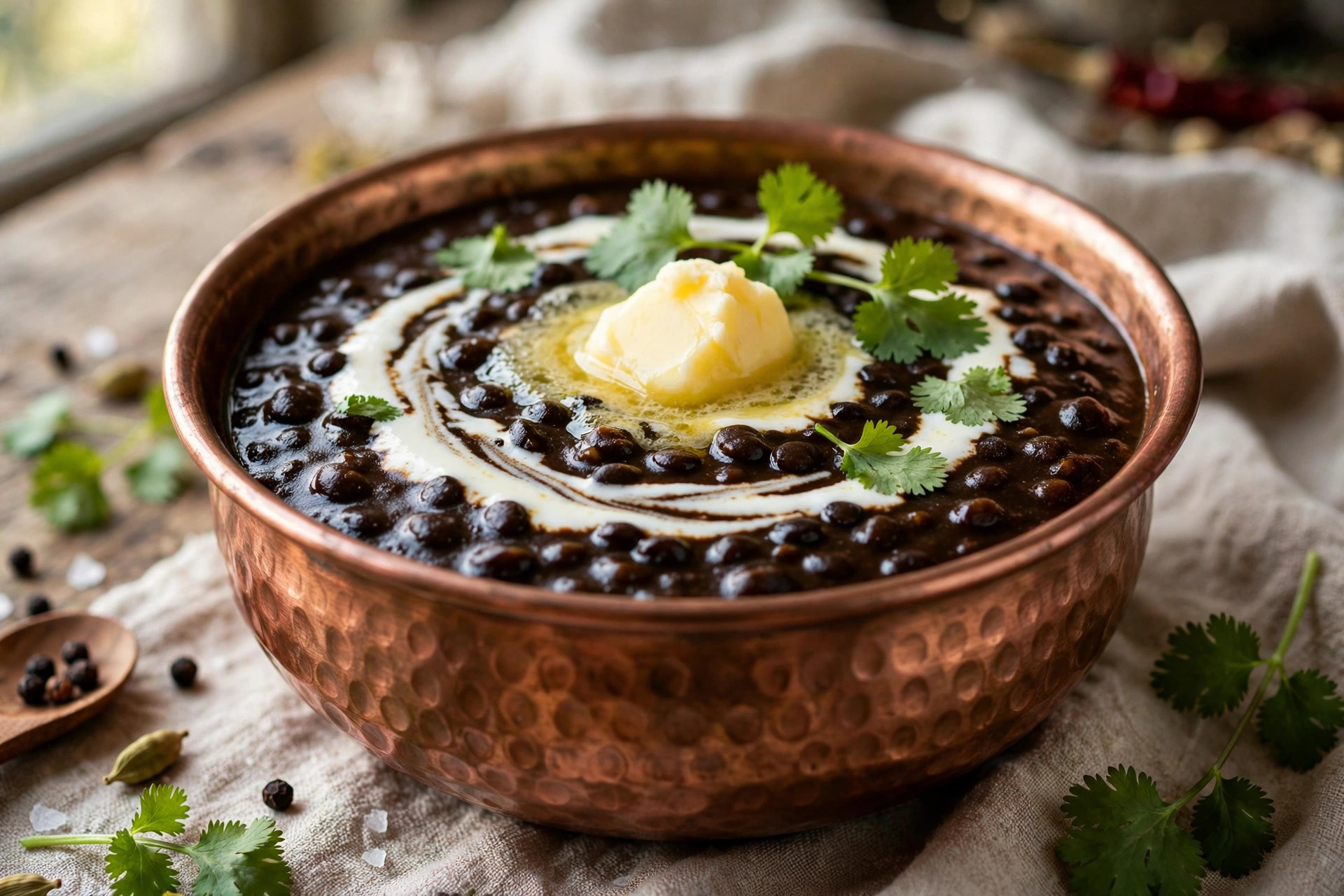
Dal Makhani is a slow-cooked Punjabi dal of whole black urad and rajma simmered with tomato, butter, and cream until the gravy turns silky and the lentils almost melt. The flavour is rich and gently spiced, with a deep, rounded savouriness that only builds with time on low heat. Be clear about the timings before you start: the overnight soaking of the lentils and most of the long, low simmer are inactive time — the dal needs an occasional stir, not constant attention, and the hands-on work is short. That inactive time is counted in the prep and cook figures below, so the total is honest. Serve it with naan, jeera rice, or plain rotis for a weekend lunch or a special dinner. One practical tip: keep the simmer truly low — a hard boil makes the gravy thin and harsh instead of creamy.
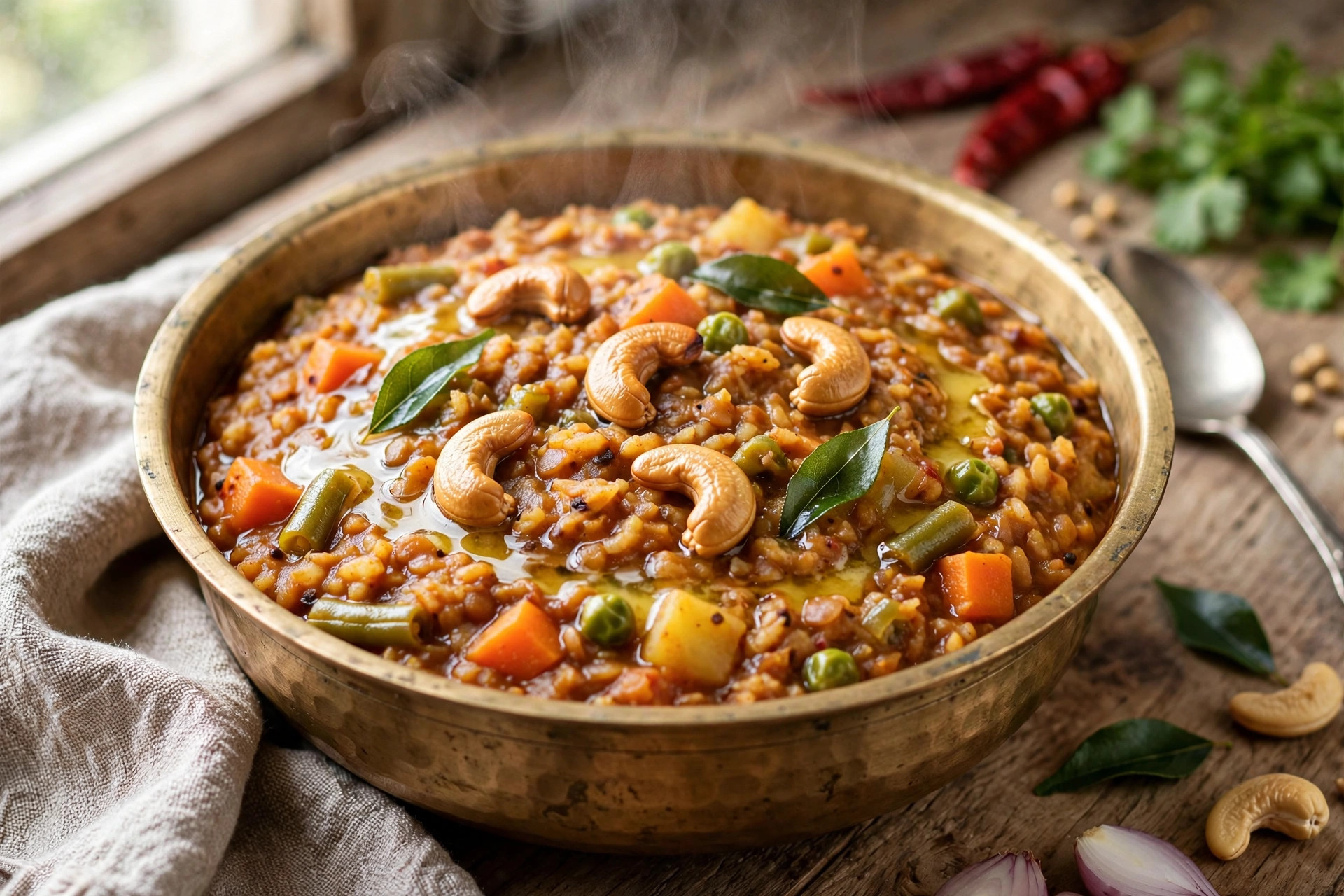
Bisi Bele Bath is Karnataka's much-loved one-pot meal of rice, toor dal, and vegetables cooked together until soft and porridge-like, then flavoured with tamarind, jaggery, and a warm, aromatic spice powder. The name simply means hot lentil rice, and it should be served steaming hot, loose in consistency, with a spoonful of ghee melting over the top. The taste is a balance of tangy, mildly sweet, savoury, and gently spiced, with the vegetables soft but still recognisable. It makes a complete lunch on its own and is a good way to use small quantities of mixed vegetables. One practical tip: keep the finished dish slightly runnier than you want it, because it thickens noticeably as it stands.
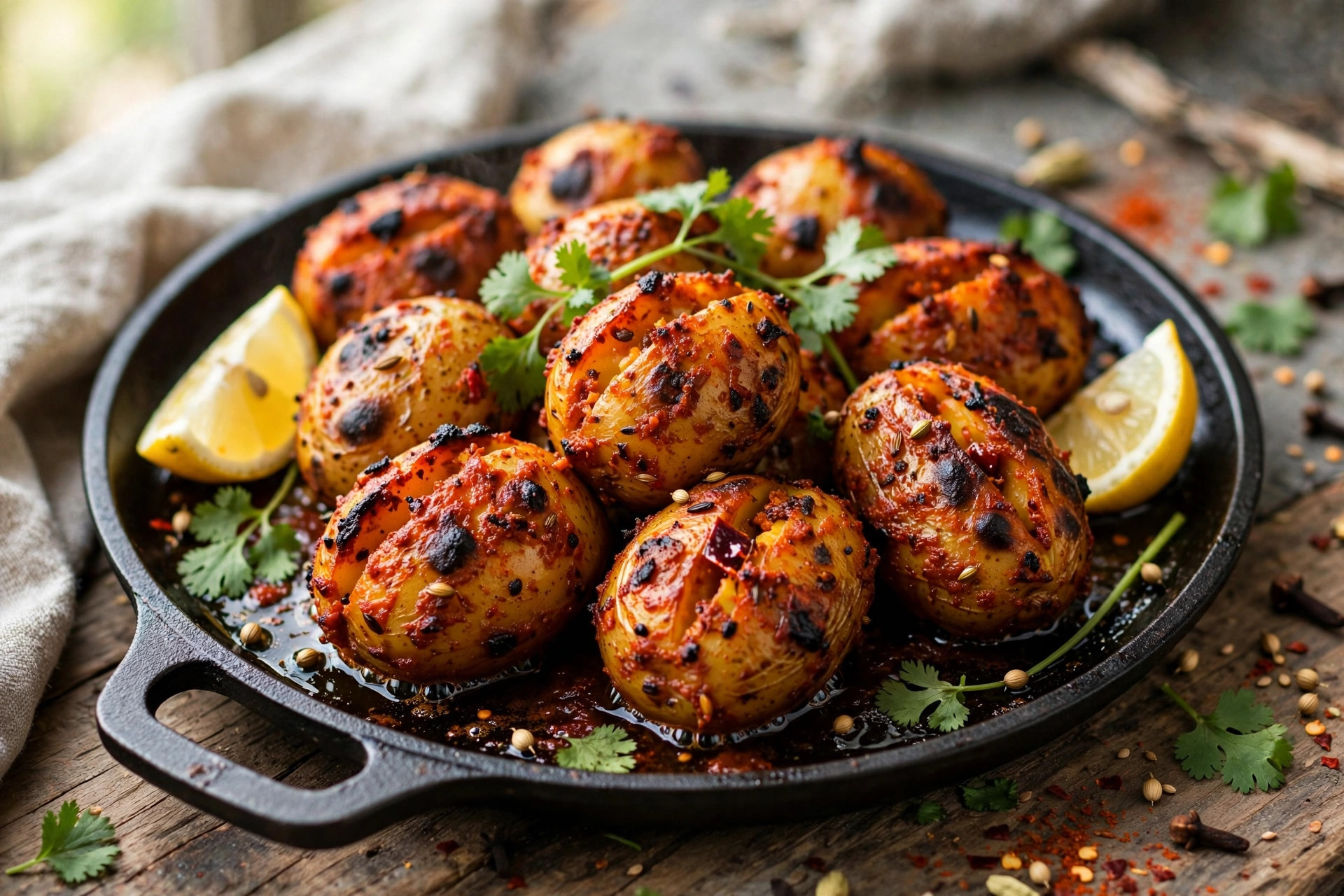
Tandoori Aloo is a smoky, spice-coated baby potato starter with crisp, lightly charred edges and a soft, fluffy centre. The potatoes are parboiled, tossed in a thick curd and spice marinade, and cooked until the coating clings and browns in spots. This is a home oven and tawa version, not a clay tandoor recipe — it is written for a regular home oven, an air fryer, or a heavy tawa, so no special equipment is needed. Serve it hot as a party starter, a tea-time snack, or a side with dal and rotis. One practical tip: dry the parboiled potatoes well before marinating, because surface moisture makes the marinade slide off instead of sticking and browning.
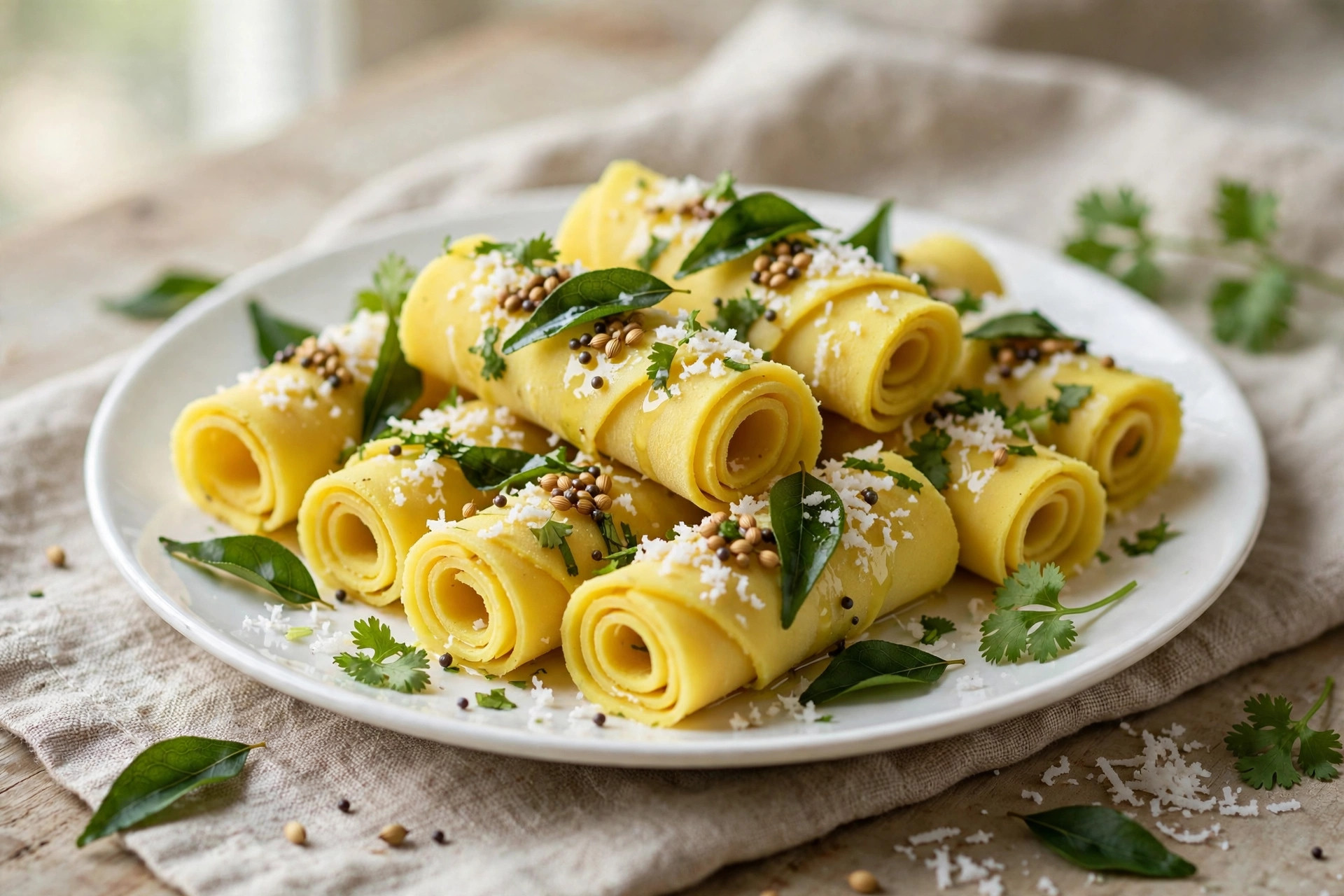
Khandvi is a soft, melt-in-the-mouth Gujarati snack of thin besan and curd sheets rolled into neat spirals and finished with a mustard seed and curry leaf tempering. The rolls are delicate, mildly tangy, and lightly spiced, with grated coconut and coriander on top. It looks impressive but uses a short list of everyday ingredients — the skill is in the batter. The mixture must cook to the right thickness and be spread very thin while it is still hot; those two steps decide whether the sheets roll cleanly or tear. Work with everything ready before you start cooking, and the recipe becomes much easier than its reputation suggests. Serve khandvi fresh, at room temperature, as a tea-time snack or as part of a Gujarati thali.
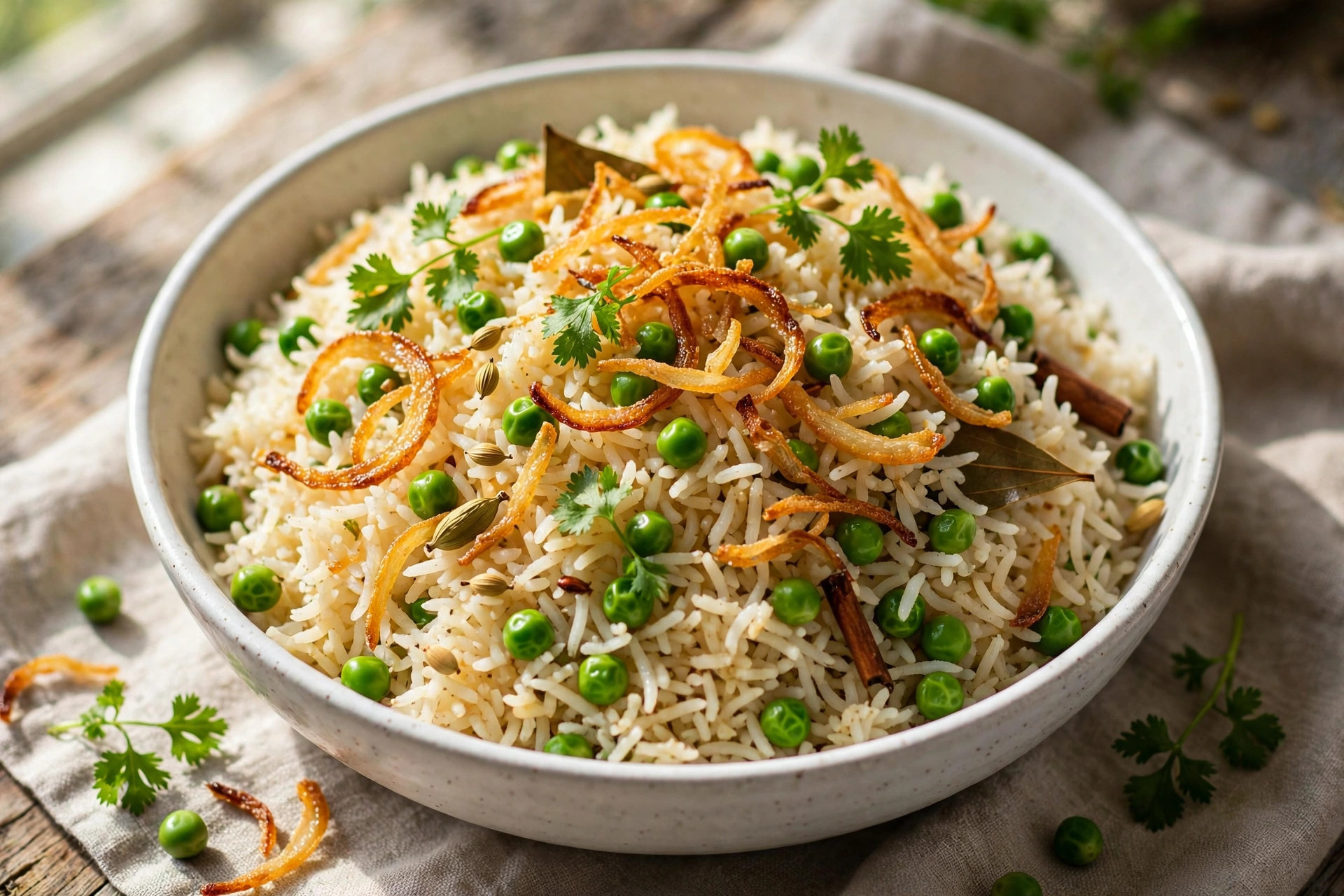
Matar Pulao is a gentle, fragrant one-pot rice dish of basmati cooked with green peas and whole spices in ghee. The grains stay separate and fluffy, the peas add small bursts of sweetness, and the flavour is mild enough to sit next to almost any dal, curry, or raita. It is a useful everyday recipe — quick enough for a weekday lunch box and good enough to serve when guests come. You can make it in a pressure cooker or a heavy pot with a tight lid; the method below uses a pot so the texture is easy to control. One practical tip: rest the cooked pulao for 10 minutes before opening the lid and fluffing — this short rest is what keeps the grains from breaking and turning sticky.
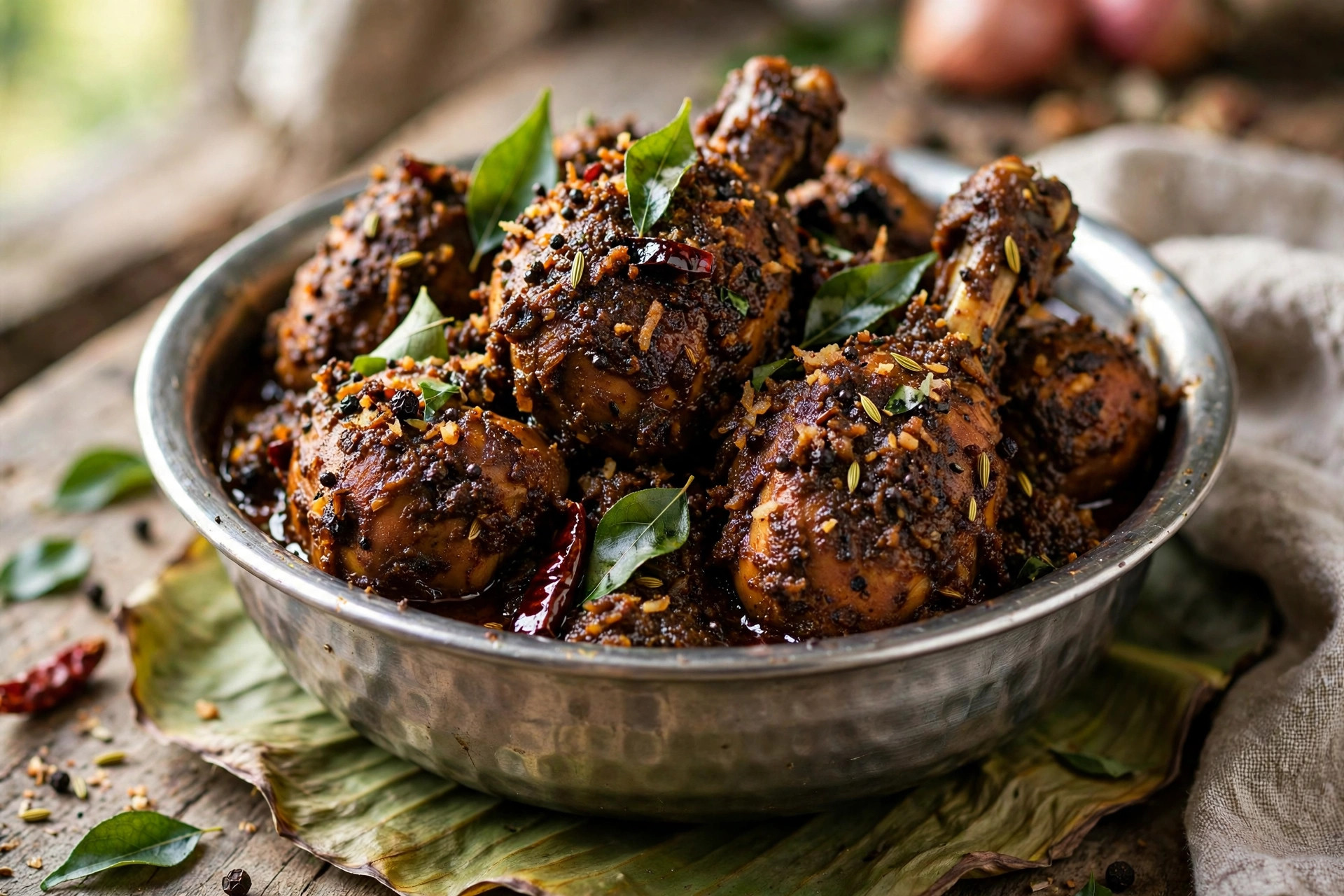
Chicken Chettinad is a bold chicken curry from the Chettinad region of Tamil Nadu, known for its freshly ground masala of roasted spices, black pepper, and coconut. The gravy is dark, thick, and deeply aromatic, with a peppery heat that builds slowly rather than hitting all at once. Grinding the masala fresh is what sets this curry apart from everyday chicken curries, and it takes only a few extra minutes. Serve it with steamed rice, dosa, appam, or rotis for a weekend lunch or a meal with guests. One practical tip: roast the spices on low heat only until they smell fragrant and darken slightly — if they burn, the whole curry turns bitter, so do not walk away during that step.
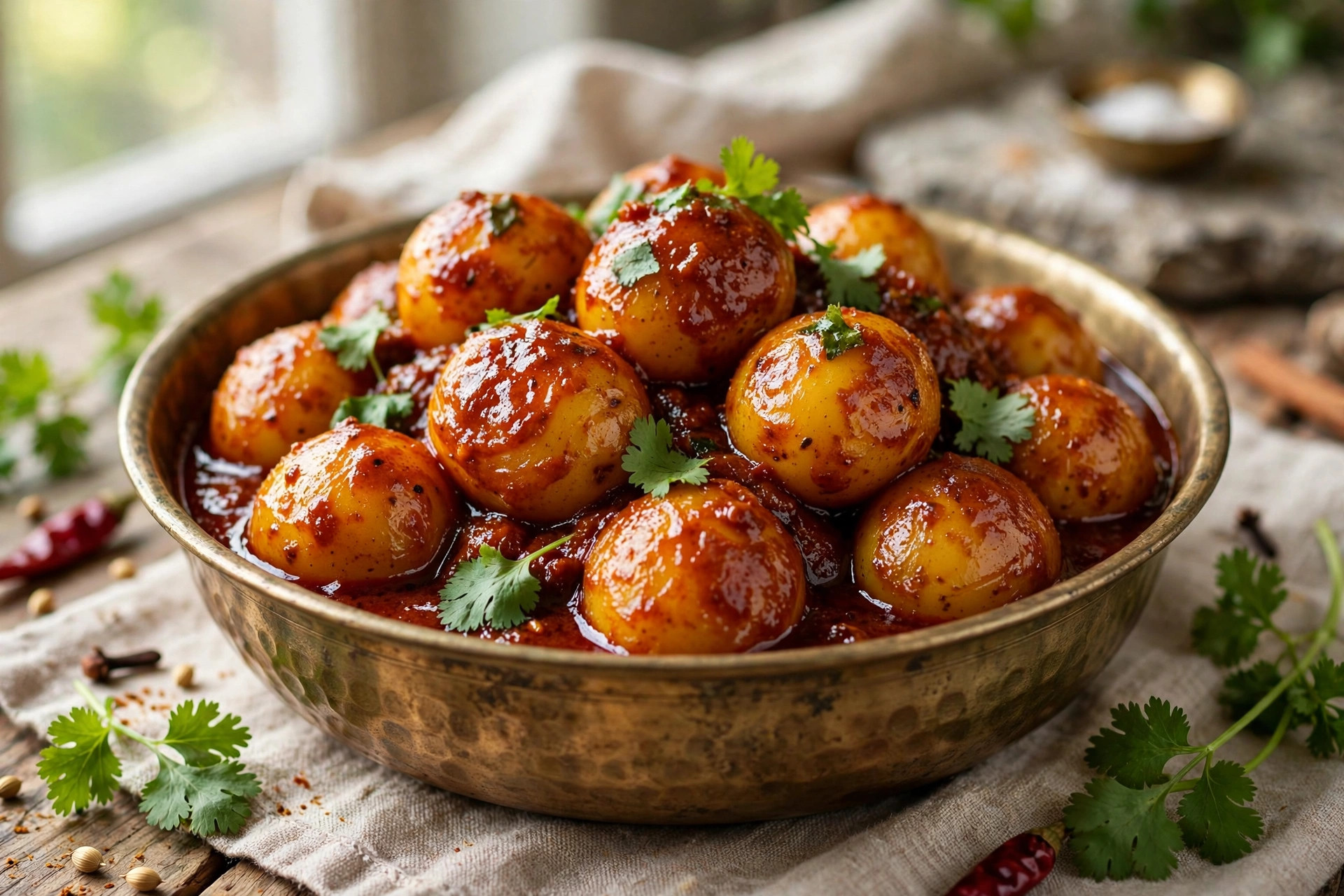
Kashmiri Dum Aloo is a rich potato curry where small whole potatoes are fried until golden and then simmered slowly in a curd-based gravy scented with fennel, dry ginger, and Kashmiri red chillies. The gravy is deep red, mildly hot, and aromatic rather than fiery, and the potatoes soak up the flavour as they cook on dum. Traditionally, this version is made without onion and garlic, which keeps the taste clean and lets the whole spices come through. Serve it with steamed rice, naan, or rotis for a festive lunch or a special weekend meal. One practical tip: whisk the curd well and add it on low heat, stirring continuously for the first minute — this stops the gravy from splitting.
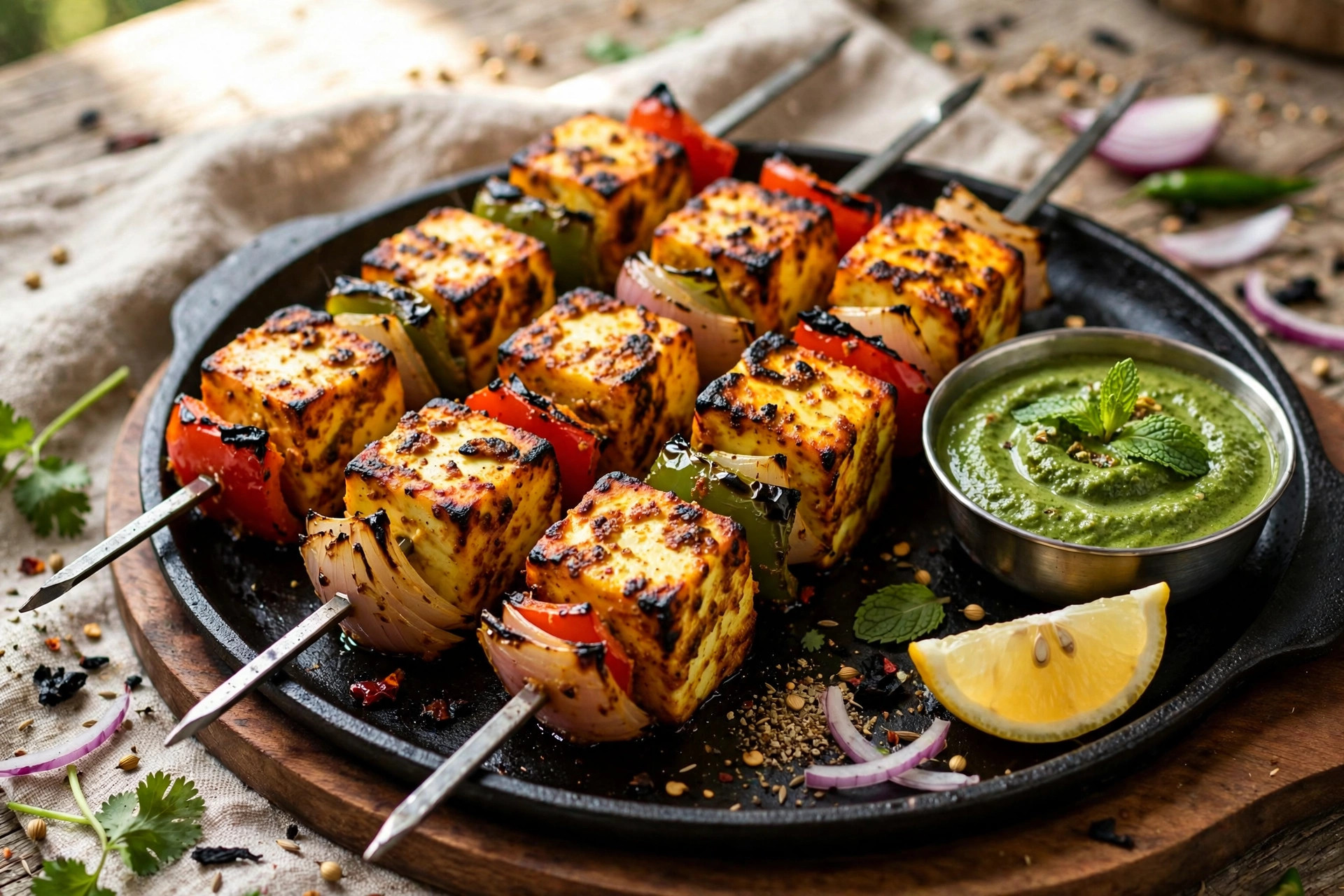
Paneer Tikka is a popular North Indian starter of paneer cubes marinated in spiced hung curd and cooked until the edges char lightly and the centre stays soft. This is a home version made in an oven, on a grill, or on a tawa — a clay tandoor is not required, and the marinade does most of the work. The taste is smoky, tangy, and warmly spiced, with sweet bites of capsicum and onion between the paneer. Serve it hot as a starter or snack, or tuck it into wraps and rolls. The marination takes about 30 minutes and is inactive time, so it is not counted in the prep time below. One practical tip: use hung or very thick curd and pat the paneer dry first — a watery marinade slides off and the tikka steams instead of charring.
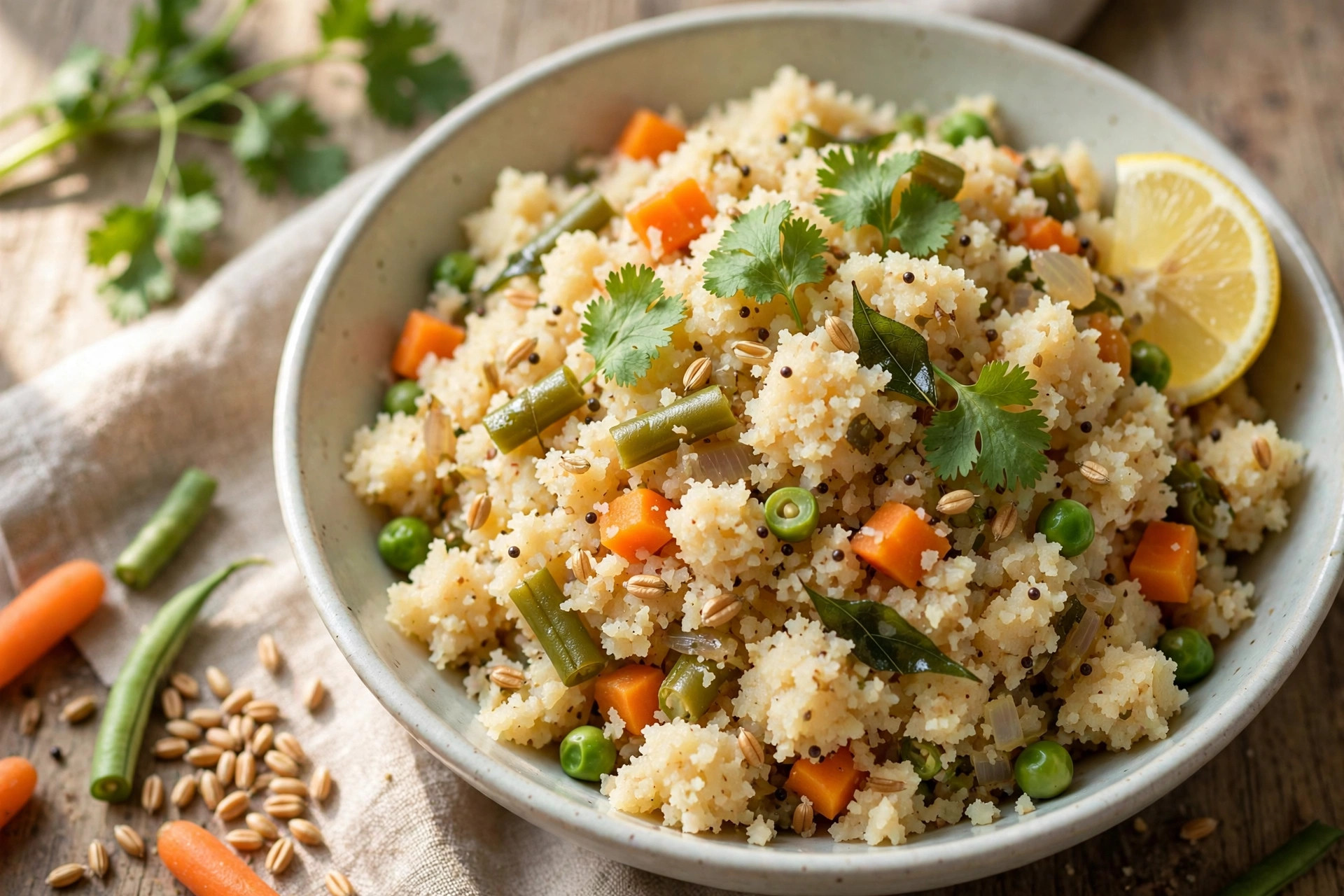
Dalia Upma is a light, savoury breakfast made by pressure-cooking or simmering broken wheat with carrots, beans, peas, onion and tomato in a simple mustard seed and curry leaf tempering. The grains cook up fluffy and separate, the vegetables stay colourful, and this version uses just 2 tsp of oil for the whole pan, so it feels light without tasting dry or plain. A squeeze of lemon at the end keeps it fresh, and it can fit into a balanced diet as a wholesome morning meal or a simple tiffin option. Practical tip: dry-roast the dalia for a few minutes before cooking — this one small step gives a better, nutty aroma and helps the cooked grains stay fluffy instead of porridge-like.
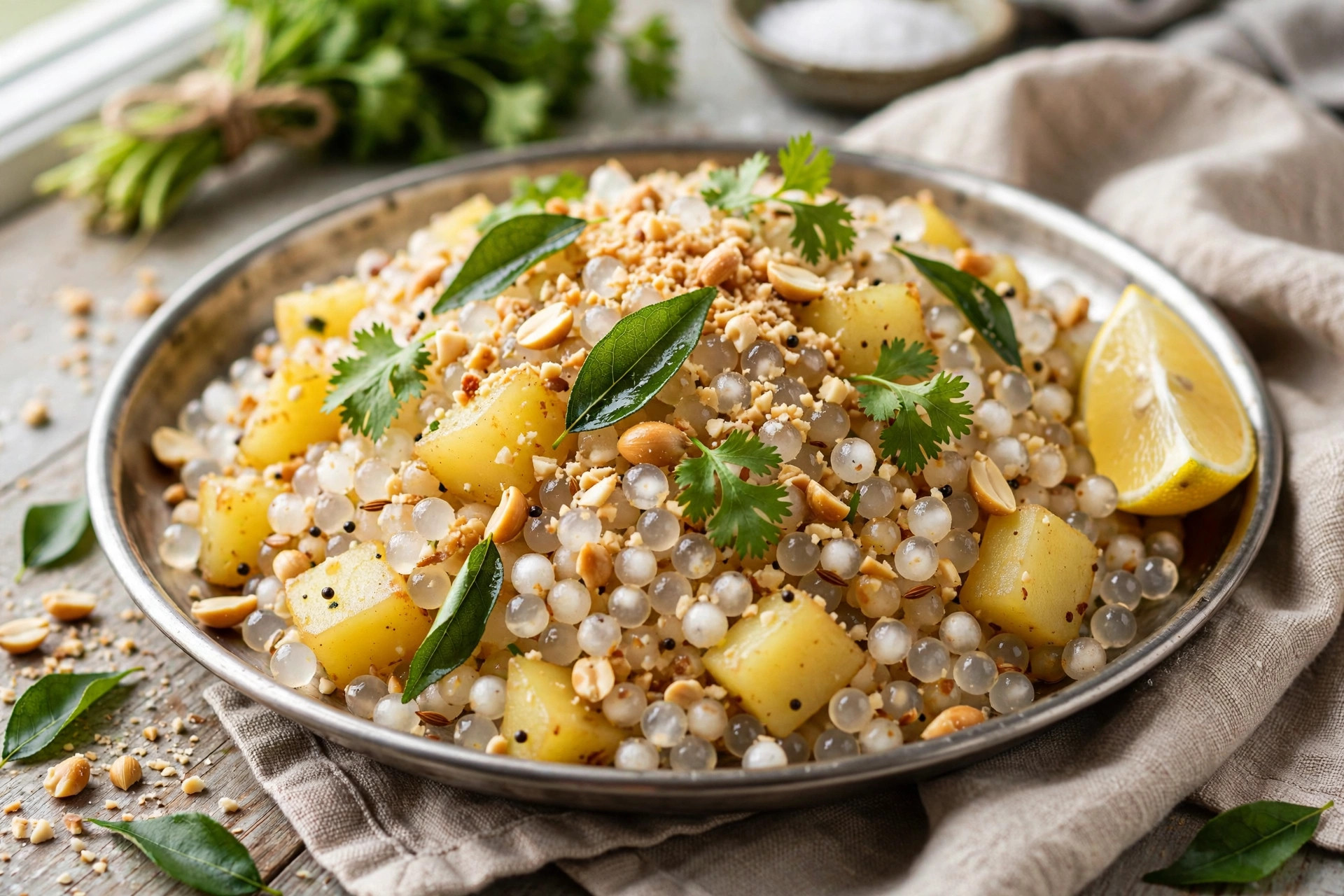
Sabudana Khichdi is a Maharashtrian favourite made with soaked tapioca pearls tossed with diced potato, crushed roasted peanuts, cumin, curry leaves and green chillies, finished with lemon juice and coriander. Done well, the pearls stay separate, glossy and softly chewy — never sticky or clumped — and the peanuts add a gentle crunch in every bite. It is naturally made without any wheat or gluten-containing ingredients and is commonly eaten for breakfast or as a light meal. Please note the soaking clearly: the sabudana must soak for 4–5 hours, or overnight, before cooking — that soaking time is inactive time and is not counted in the prep, cook or total times below, which cover only the active work. Practical tip: soak the pearls in just enough water to cover them, not more — excess water is the most common reason sabudana turns sticky.
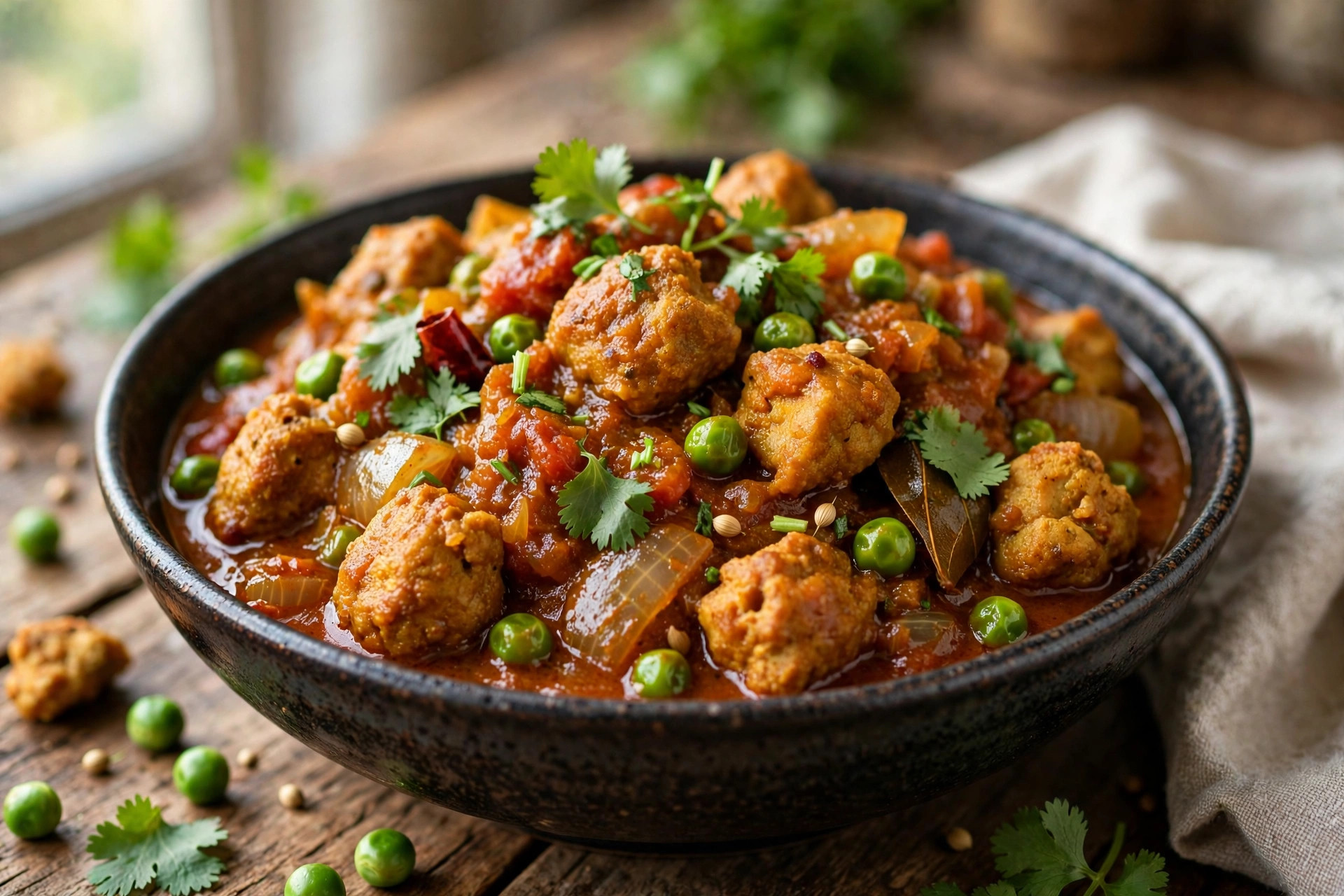
Soya Chunks Curry is a homestyle North Indian curry where soft, spongy soya chunks and green peas soak up a well-cooked onion-tomato masala flavoured with coriander, turmeric and garam masala. The chunks turn juicy and satisfying once they absorb the gravy, giving the curry a hearty bite without any meat. Soya is well known as a concentrated source of plant protein, so this curry can fit into a balanced diet for people looking to add more protein-rich vegetarian options to regular meals, served with roti, paratha, jeera rice or plain steamed rice. Practical tip: squeeze the boiled soya chunks well before adding them to the masala — removing the extra water helps them absorb the gravy instead of diluting it, and it also improves their texture.
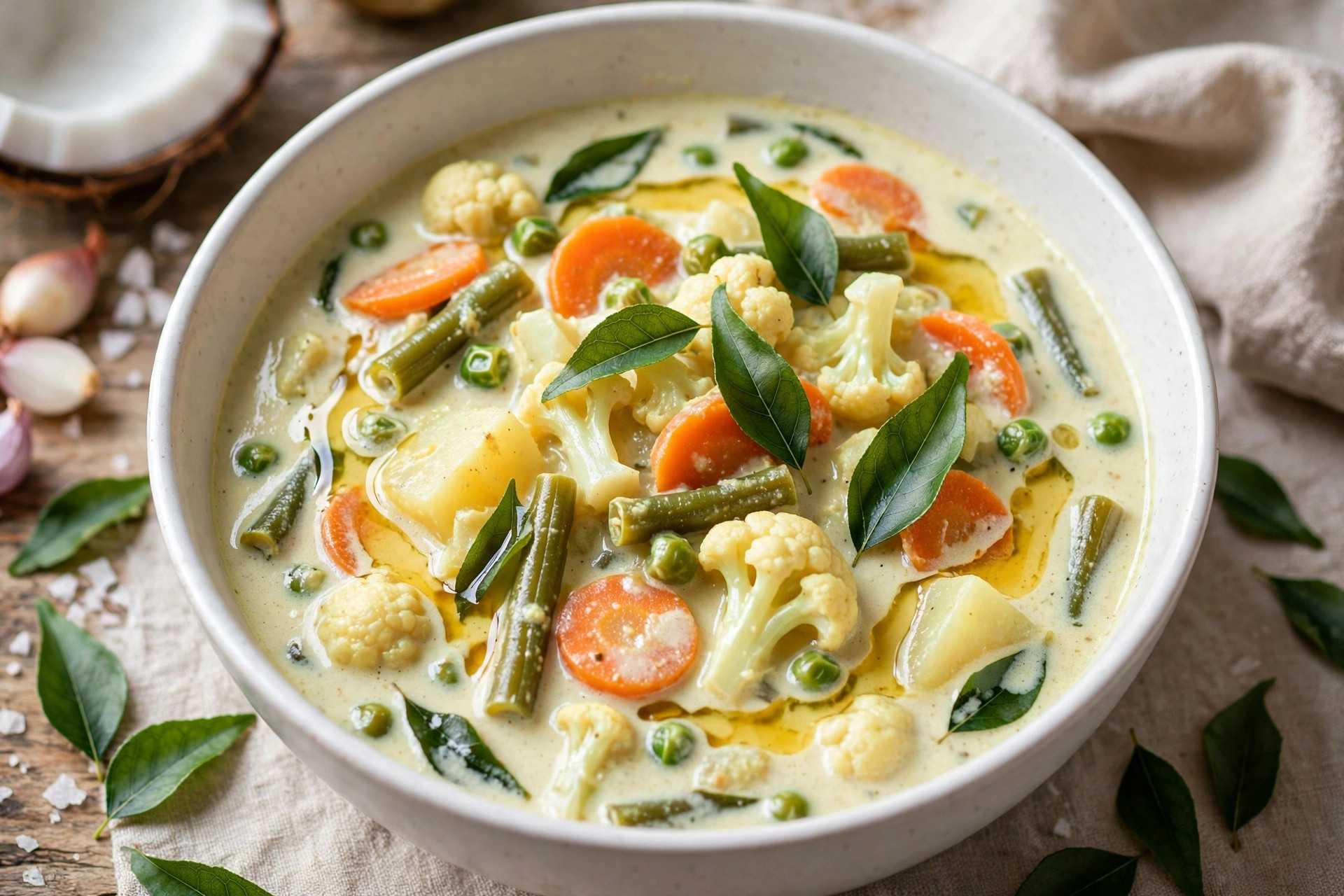
Kerala Coconut Vegetable Stew is a mild, gently spiced curry where carrots, potato, beans, peas and cauliflower simmer in coconut milk with whole spices, ginger and curry leaves. Unlike fiery curries, this stew is soft, creamy and lightly peppery, with the sweetness of coconut milk in every spoonful and no cream, butter or ghee. It is fully vegan and is traditionally served with appam, but it also works well with idiyappam, dosa or plain steamed rice for breakfast, lunch or a light dinner, and it can fit into a balanced diet alongside those staples. Practical tip: add the thick coconut milk only at the very end and do not boil the stew after that — hard boiling can split coconut milk and dull its fresh flavour, so just warm it through on the lowest heat.
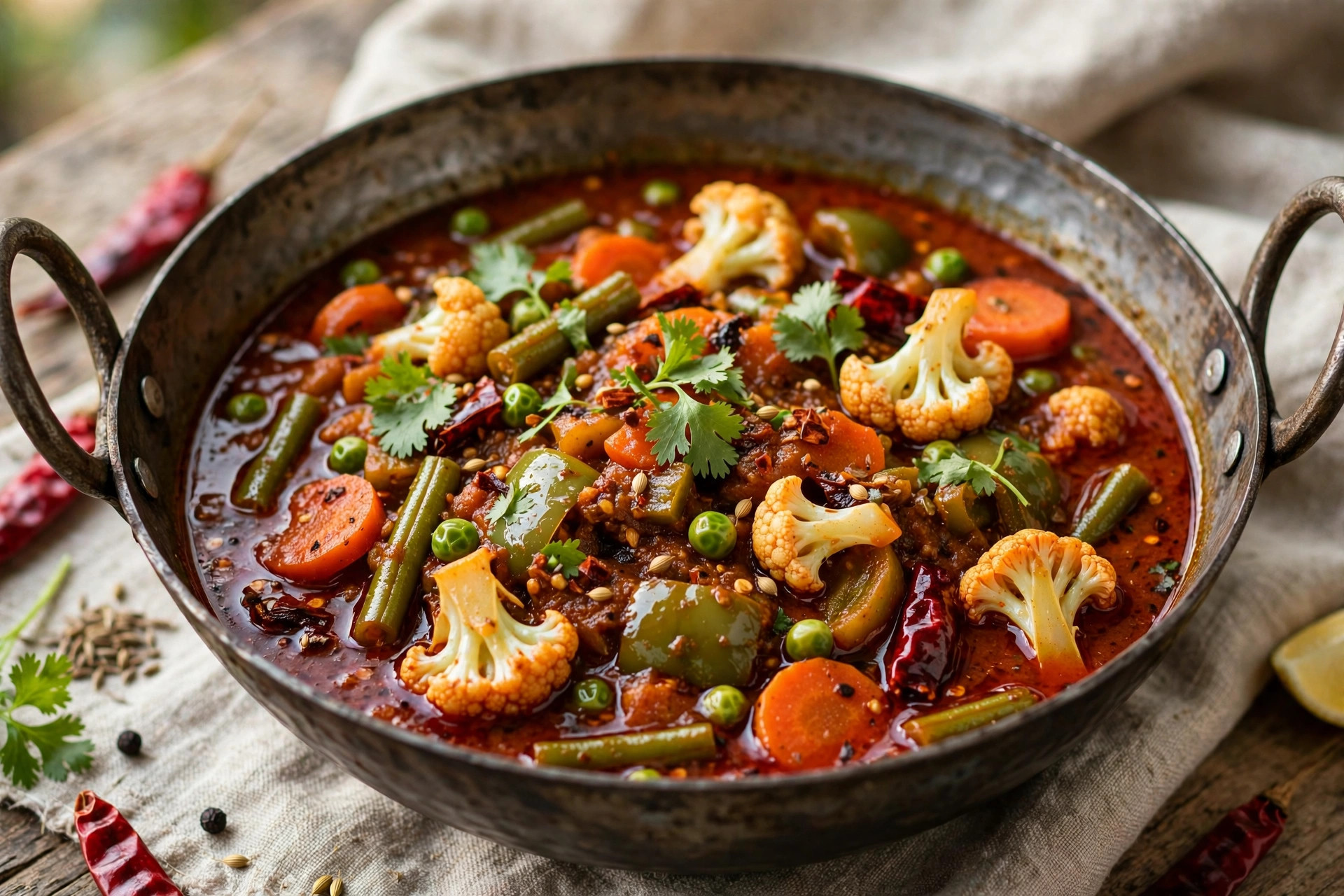
Veg Kolhapuri is a fiery Maharashtrian mixed vegetable curry from Kolhapur, known for its deep red colour, bold spices and thick, clingy masala. Cauliflower, carrots, beans, peas, potato and capsicum are simmered in an onion-tomato base so every piece is well coated rather than swimming in gravy. It tastes hot, savoury and slightly smoky, with soft vegetables and a little bite from the capsicum added towards the end. Serve it hot with bhakri, chapati, phulka or steamed rice for lunch or dinner, and it can fit into a balanced diet when paired with a plain dal or salad on the side. Practical tip: do not overcook the vegetables before they go into the masala — keep them just tender, as they soften further while simmering and can turn mushy if cooked twice for too long.
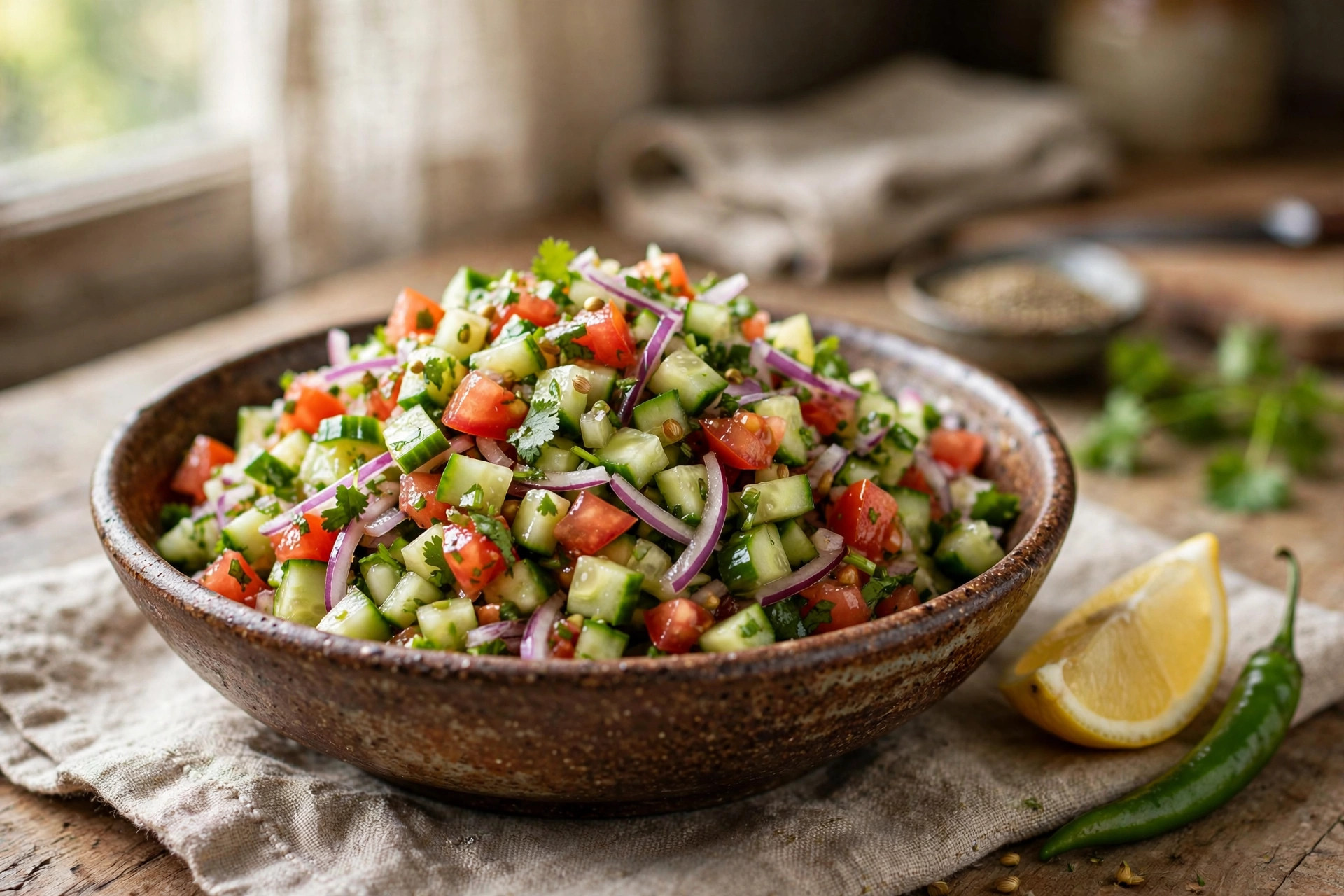
Kachumber Salad is a fresh, crunchy Indian salad of finely chopped onion, tomato, and cucumber tossed with lemon juice, roasted cumin, and coriander. It is tangy, juicy, and lightly spiced, and it adds a clean contrast to rich curries, dal, biryani, and grilled dishes. There is no cooking involved, so it comes together in minutes and is best made just before the meal. Chop the vegetables evenly and not too large, so every spoonful has a mix of all three. A practical tip: add the salt and lemon juice at the very end, as salt draws water from cucumber and tomato and can make the salad soggy if it sits too long.
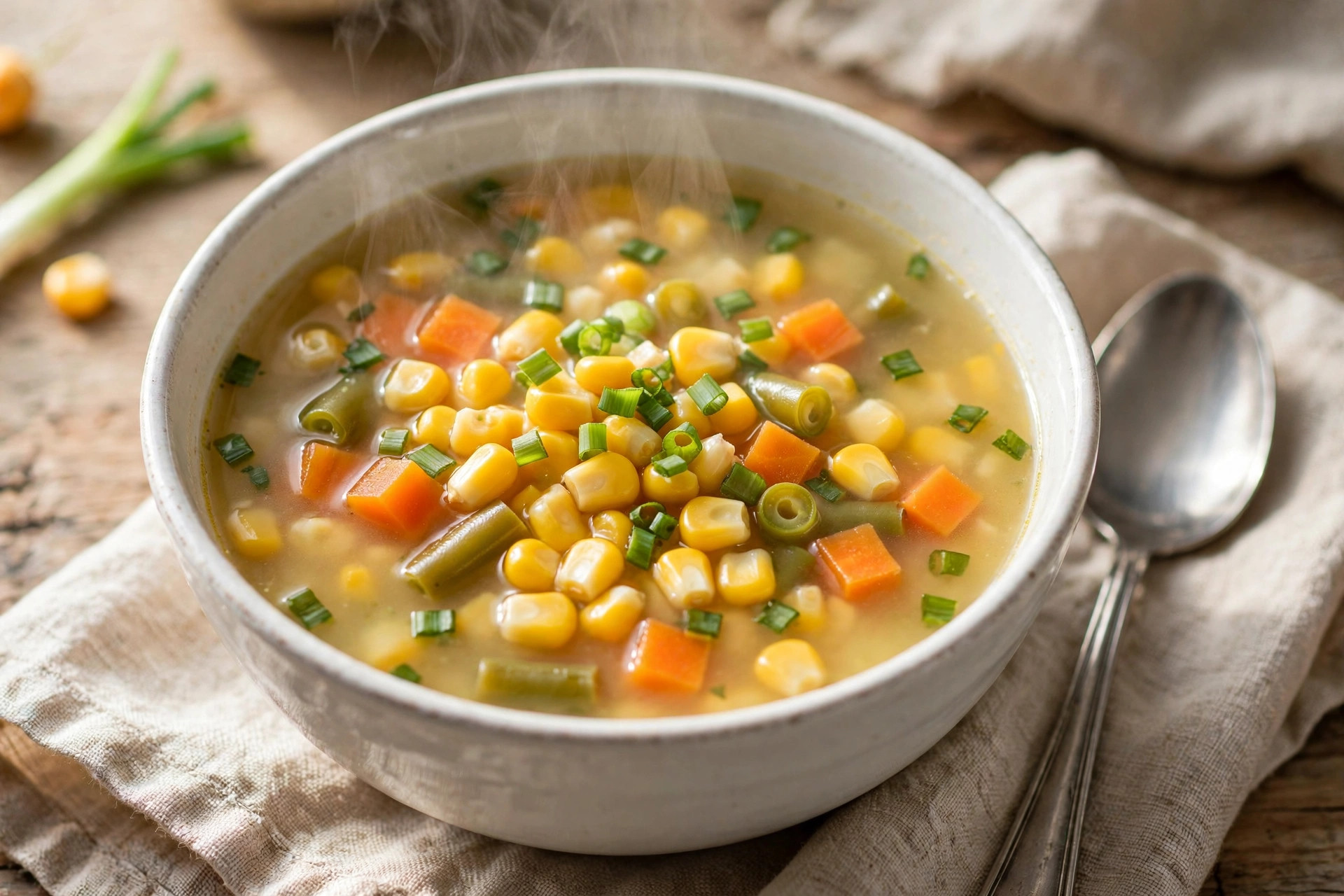
Sweet Corn Vegetable Soup is a light, comforting Indo-Chinese soup filled with sweet corn, carrots, beans, and cabbage in a gently seasoned, slightly thickened broth. It tastes mildly sweet from the corn, with a soft peppery warmth at the end, and the vegetables stay tender with a little bite. It works well as a starter before an Indo-Chinese meal or as a light evening bowl on its own. Serve it piping hot, as the flavour feels flat once it cools. A practical tip: crush a portion of the corn and stir it back into the soup — it adds body and a stronger corn flavour without using extra cornflour.
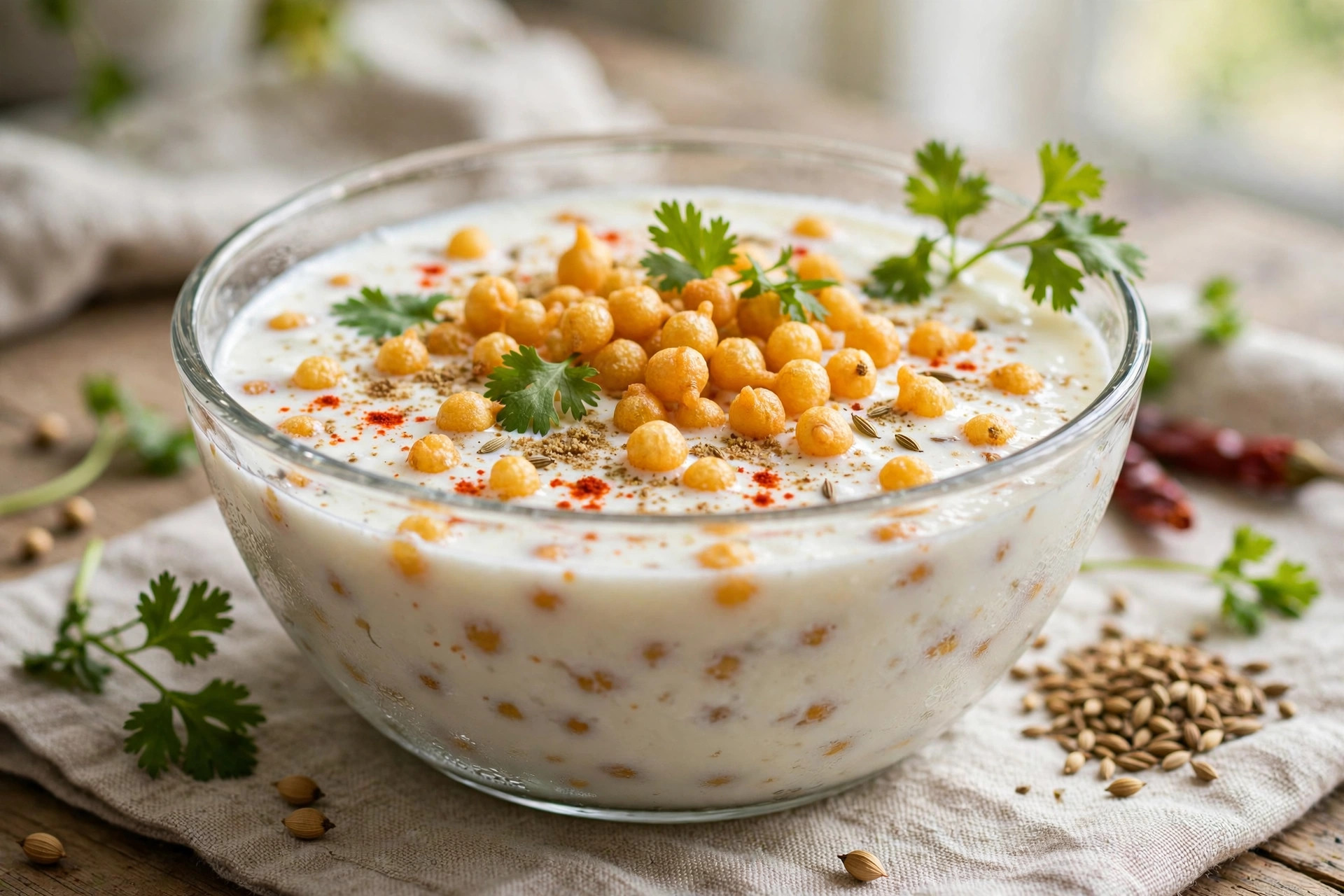
Boondi Raita is a cooling side dish of whisked curd mixed with crisp, tiny fried gram flour balls called boondi, seasoned with roasted cumin, black salt, and a pinch of chilli. It is creamy and mildly tangy, with soft boondi in some bites and a light crunch when served fresh. It is most often served with biryani, pulao, parathas, and spicy curries to balance the heat of a meal. This is a no-cook recipe, so the only real work is whisking the curd smooth and seasoning it well. A practical tip: add the boondi just before serving if you like it crisp, or 15 minutes earlier if you prefer it soft.
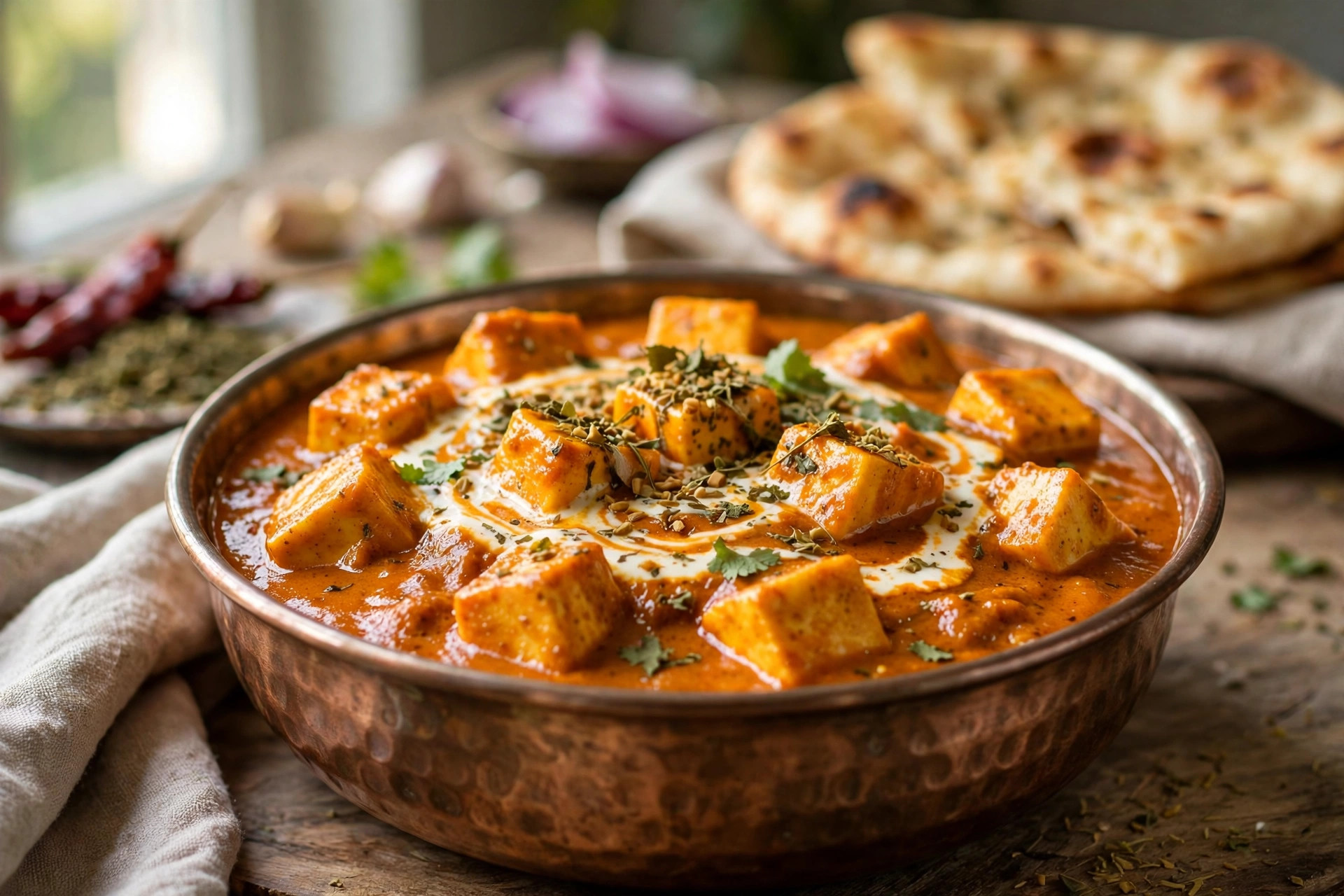
Paneer Butter Masala is a rich, creamy main course of soft paneer cubes simmered in a smooth tomato, butter, and cashew gravy. The taste is mildly sweet, tangy, and gently spiced, with a silky texture that pairs well with naan, roti, or jeera rice. It is a popular choice for weekend lunches and for guests because the gravy can be made ahead and reheated. Add the paneer only in the last few minutes of cooking and avoid boiling it for long, as overcooking makes paneer firm and rubbery. A practical tip: blend the tomato-cashew base until completely smooth and strain it if needed for that classic velvety finish.
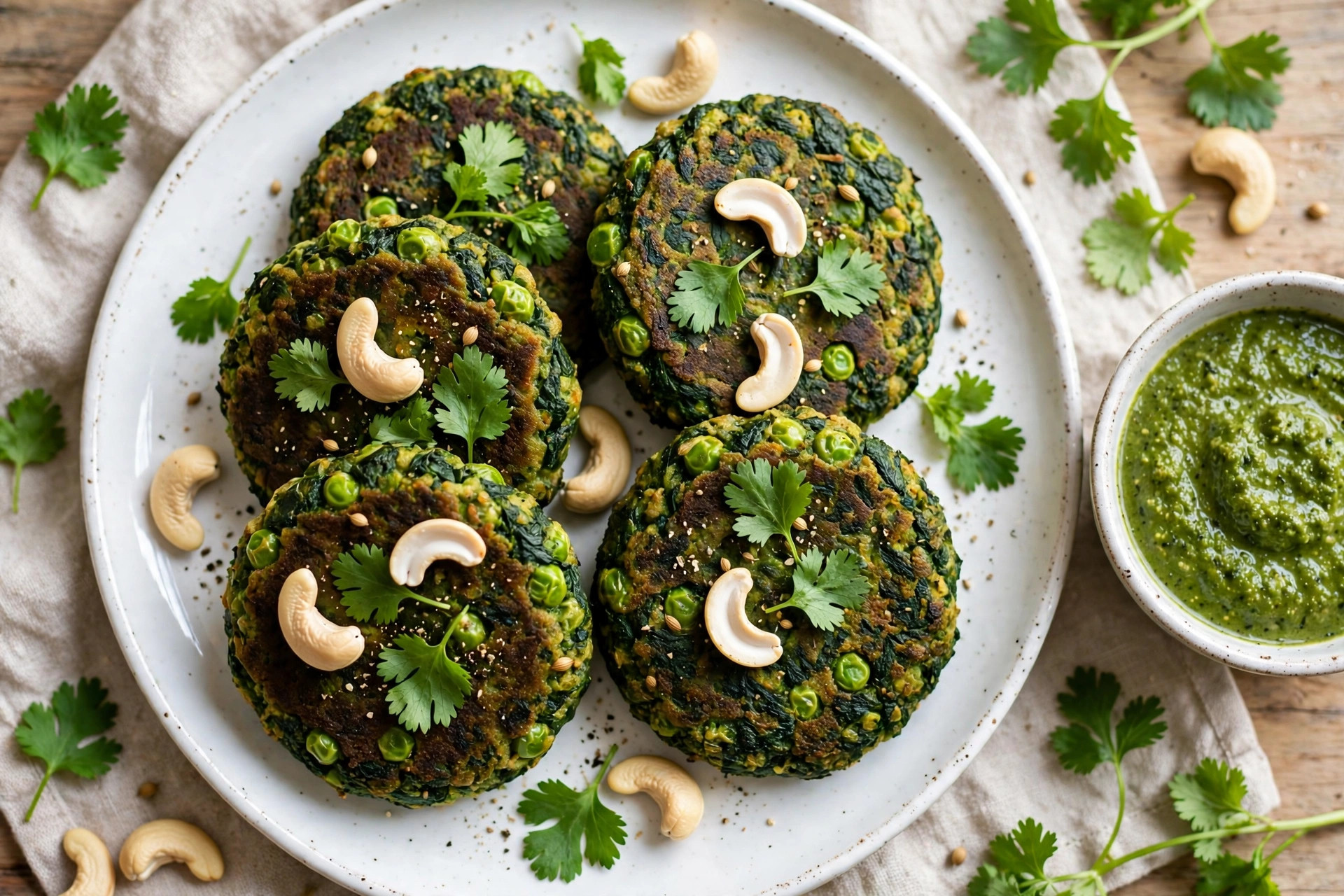
Hara Bhara Kebab is a bright green vegetarian starter made with spinach, green peas, and potato, flavoured with ginger, green chillies, and warm spices. The patties are crisp on the outside and soft inside, with a cashew pressed on top for a gentle crunch. They are a handy make-ahead option for guests, tiffin boxes, or an evening snack with mint chutney and tea. Serve them hot straight from the pan, as they lose their crispness as they cool. A practical tip: squeeze the blanched spinach very dry before mixing, otherwise the mixture becomes wet and the kebabs can break while shallow-frying.
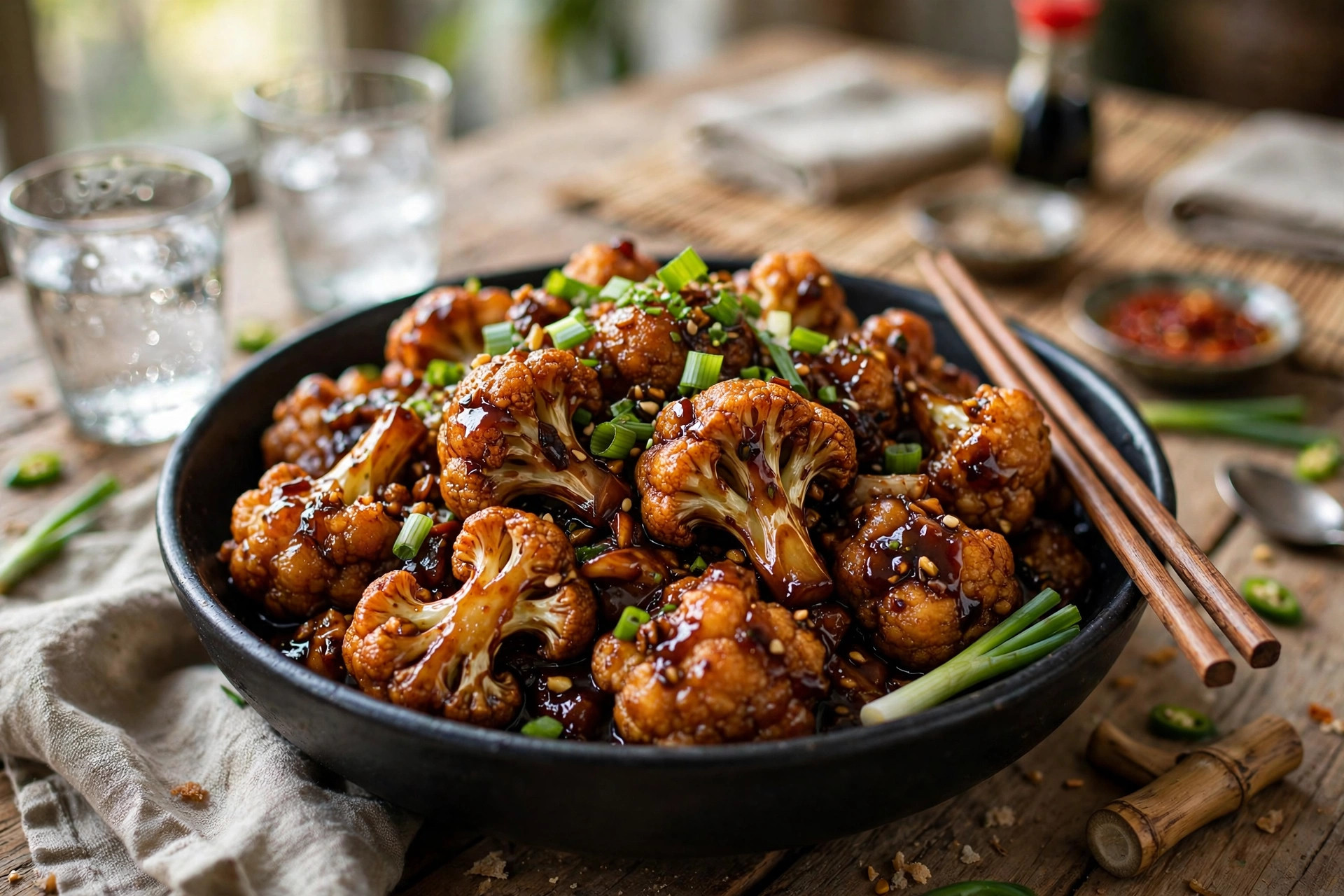
Gobi Manchurian is an Indo-Chinese favourite of crisp fried cauliflower florets tossed in a glossy, garlicky soy-based sauce. The florets should stay crunchy under the sauce, with spring onion greens scattered on top for freshness. It works as a party starter on its own, or as a side with fried rice or plain noodles for a weekend dinner at home. The sauce is savoury, mildly sweet and just spicy enough to keep you reaching for another piece. A practical tip: toss the fried florets in the sauce only at the very end and serve straight away — even five minutes of sitting in the sauce will soften the coating you worked to make crisp.
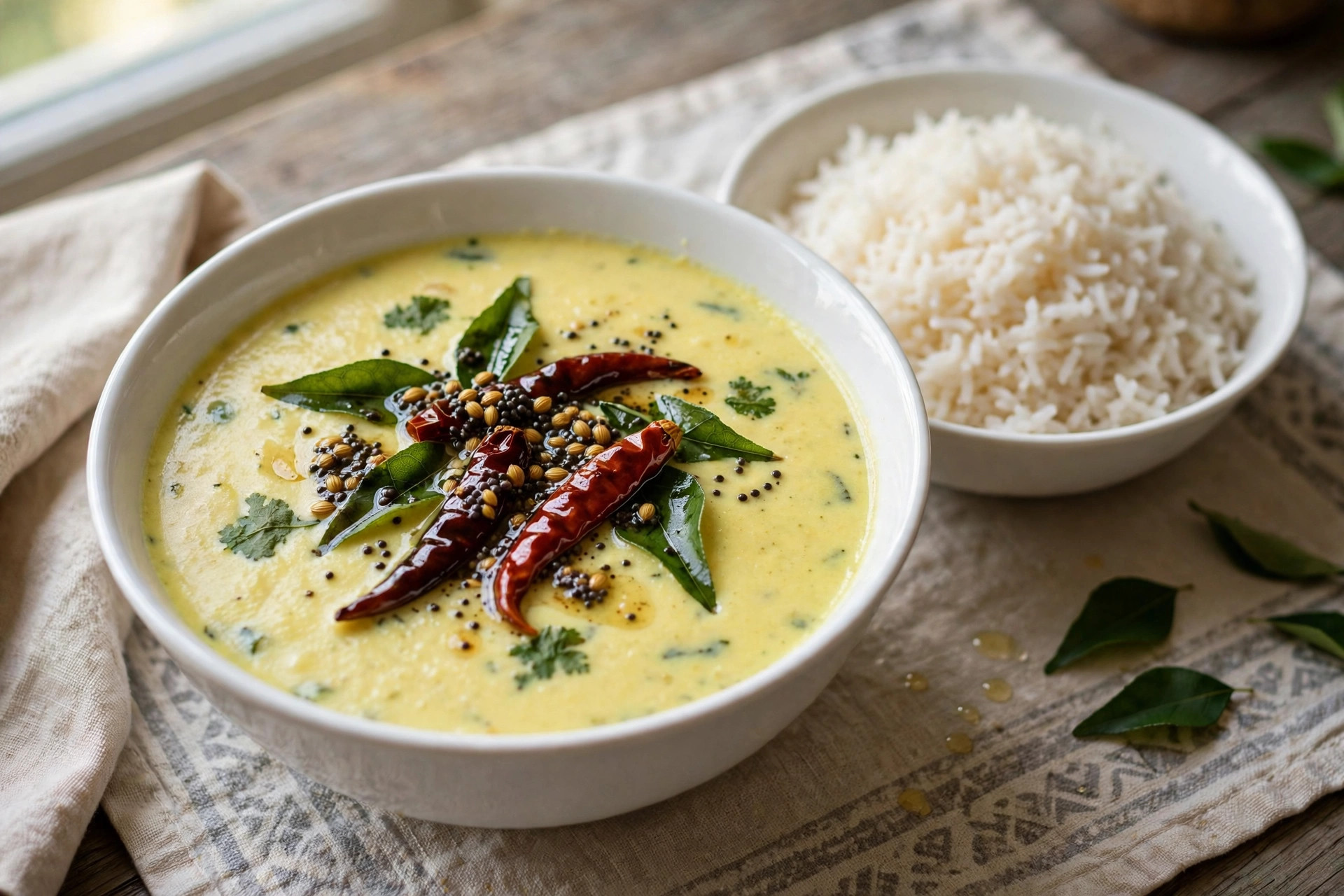
Gujarati Kadhi is a thin, pale-yellow curry made from curd and besan, gently sweetened and finished with a ghee tempering of mustard seeds, cumin, curry leaves and dry red chillies. Unlike thicker, pakoda-filled kadhis from some other regions, this version is light and pourable, with a clear sweet-sour balance. It is usually served poured over steamed rice, often as part of a simple Gujarati thali at home. The texture should be smooth, never grainy or split. A practical tip: whisk the curd and besan until completely lump-free before the pan goes on the heat, and keep stirring in one direction while it comes to a boil — that is what keeps the kadhi from curdling.
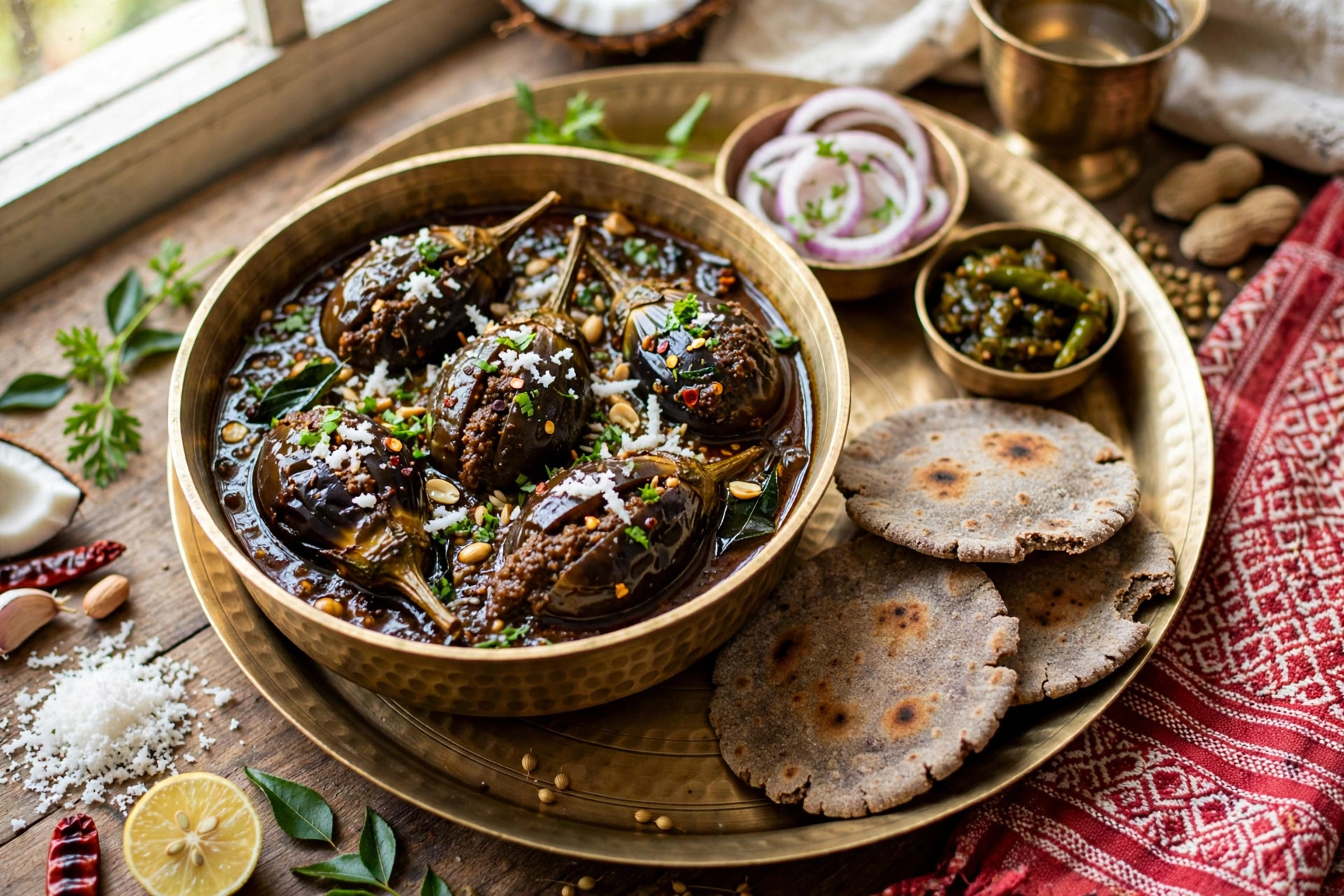
Bharli Vangi is a Maharashtrian curry of small brinjals stuffed with a roasted peanut and coconut masala, then simmered until tender in their own spiced gravy. The filling is nutty and warmly spiced with goda masala, with a small touch of jaggery and tamarind balancing the heat. The brinjals turn soft and almost creamy inside while holding their shape in the pan. It is a homestyle main that pairs well with bhakri, chapati or plain steamed rice and dal. A practical tip: keep a little of the stuffing aside to stir into the gravy — it thickens the sauce and makes sure none of the masala is wasted if a brinjal splits while cooking.
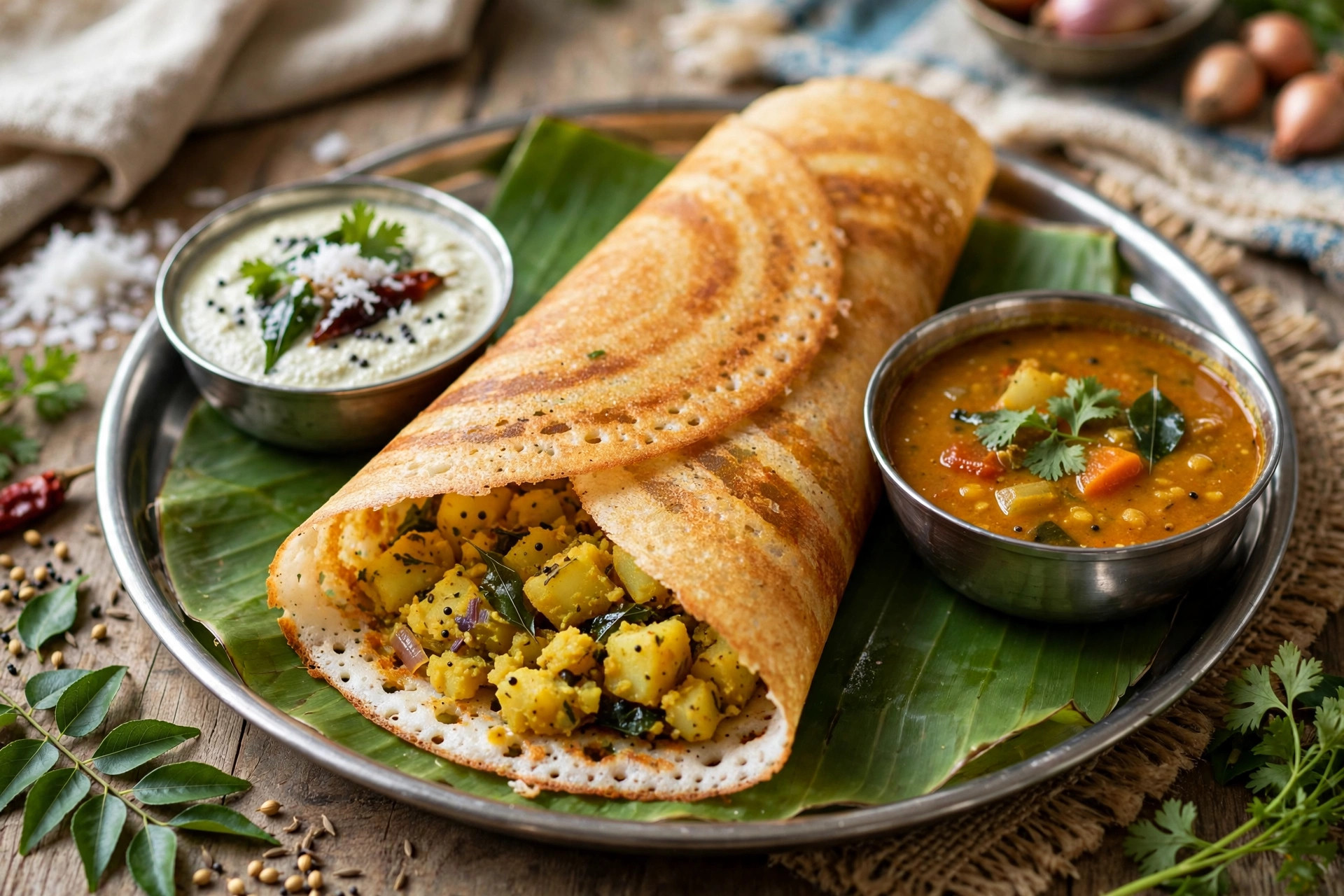
Masala Dosa is a crisp, golden crepe made from fermented rice and urad dal batter, folded around a spiced potato filling. The dosa is thin and lacy at the edges, the filling is soft and yellow with turmeric, mustard seeds and curry leaves, and together they make a filling breakfast or a light dinner. Please plan ahead: the rice and dal need about 6 hours of soaking and the batter then needs 8–12 hours to ferment in a warm place — that soaking and fermentation time is inactive time and is not included in the prep and cook times below. A practical tip: spread the batter on a hot but not smoking tawa, and sprinkle a few drops of water to cool the pan slightly between dosas.
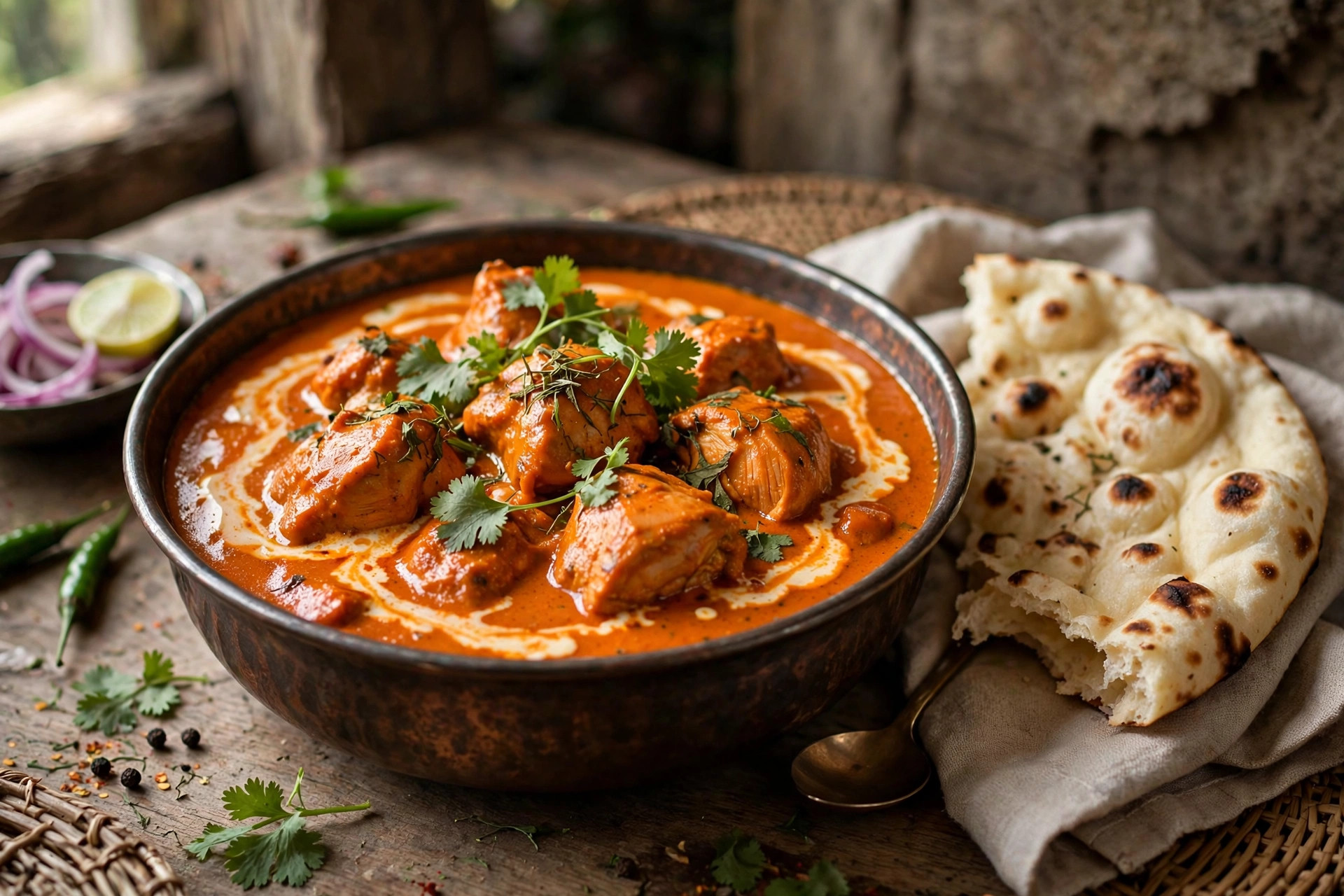
Butter Chicken is a rich North Indian curry of tender chicken pieces simmered in a smooth tomato, butter and cream gravy. The sauce is mildly spiced, slightly sweet and silky, with a gentle smokiness from kasuri methi added at the end. It is most often linked to Delhi restaurant kitchens, though its exact origin story is often debated. Serve it hot with naan, roti or jeera rice for a family dinner or a small celebration meal. A practical tip: puree and strain the tomato-onion mixture before adding the chicken — that one step is what gives the gravy its restaurant-style smoothness without needing a lot of extra cream.
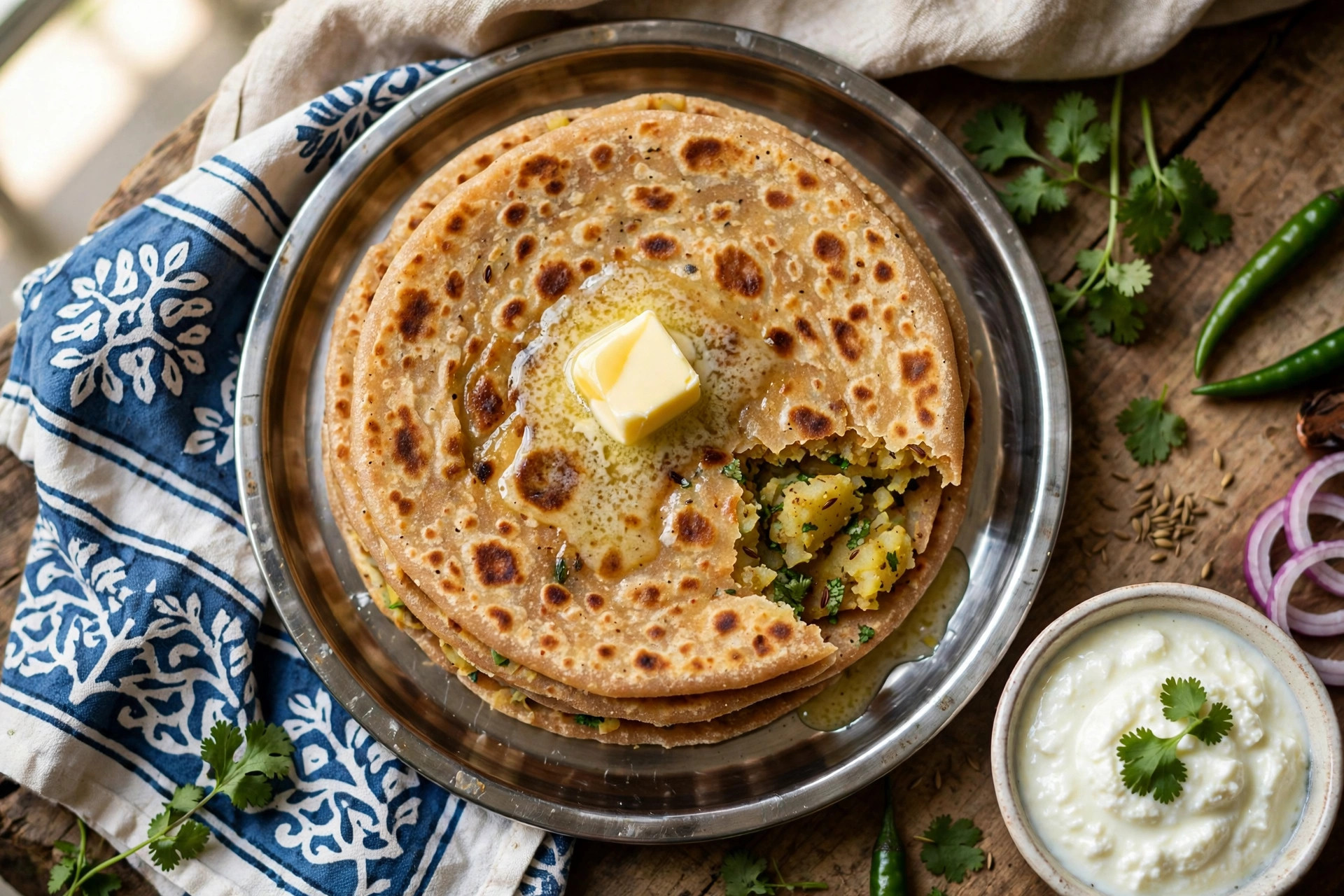
Aloo Paratha is a Punjabi whole wheat paratha stuffed with a spiced mashed potato filling, rolled out gently and roasted on a tawa with ghee until golden spots appear on both sides. The outside should be crisp at the edges and soft inside, with the potato filling spread evenly right up to the edges — not collected in the centre. It is a much-loved breakfast, though it works just as well for lunch or a travelling meal, served with curd, pickle or a knob of butter. A practical tip: the potato filling must be completely cool and dry before stuffing; warm or wet filling makes the dough tear while rolling and leak on the tawa.
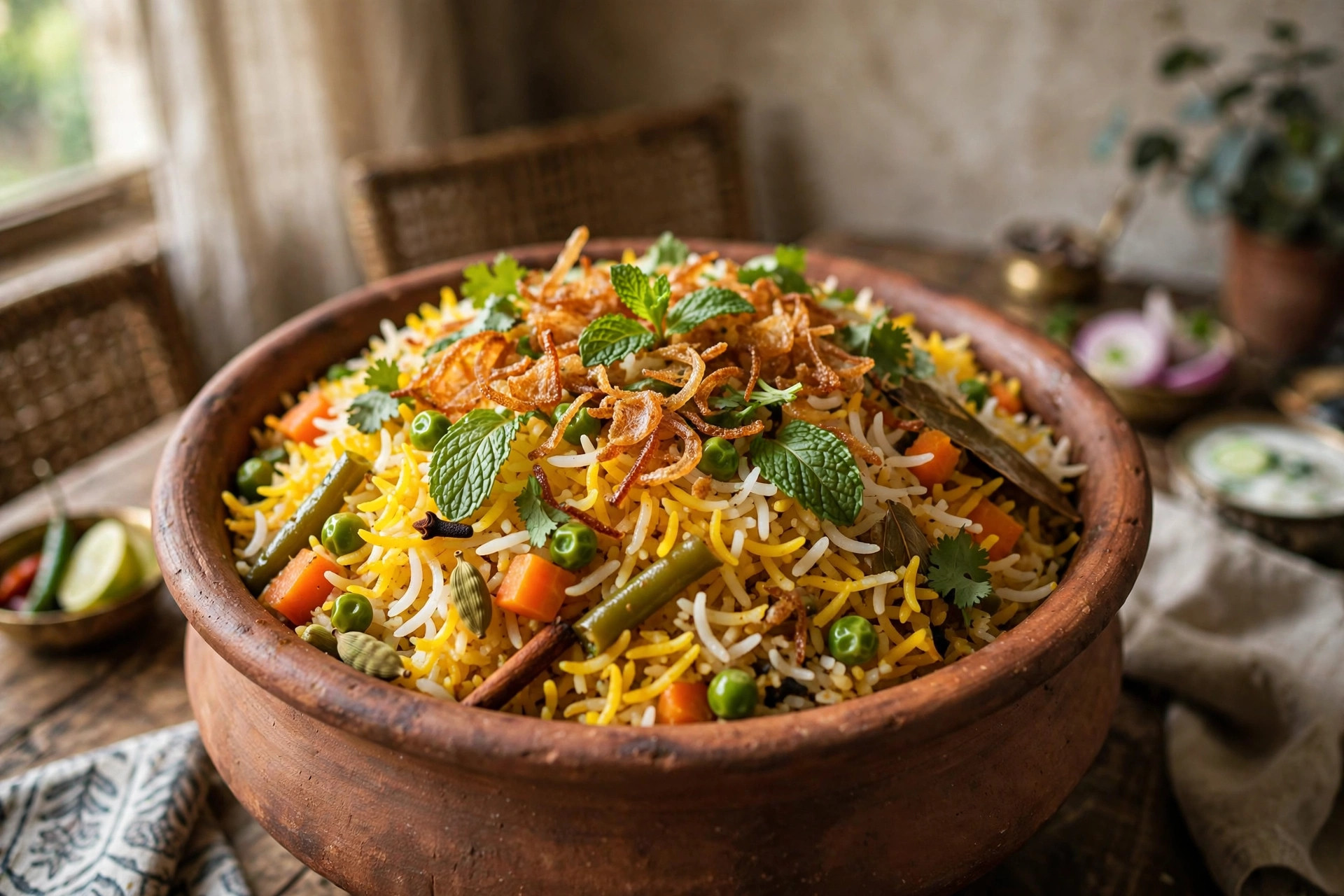
Vegetable Biryani is a layered rice dish where fragrant basmati rice is cooked over a spiced vegetable masala made with onion, tomato, curd and whole spices, then sealed and steamed on dum so the layers absorb each other's aroma. The rice should stay separate and fluffy, the vegetables tender but not mushy, and every serving should have both white and masala-coated grains. It suits festive lunches, Sunday family meals and dinner guests, served with raita or a simple salad. A practical tip: cook the rice only until it is about 70 percent done before layering — it finishes cooking in the dum steam, and fully cooked rice turns soft and broken by the end.
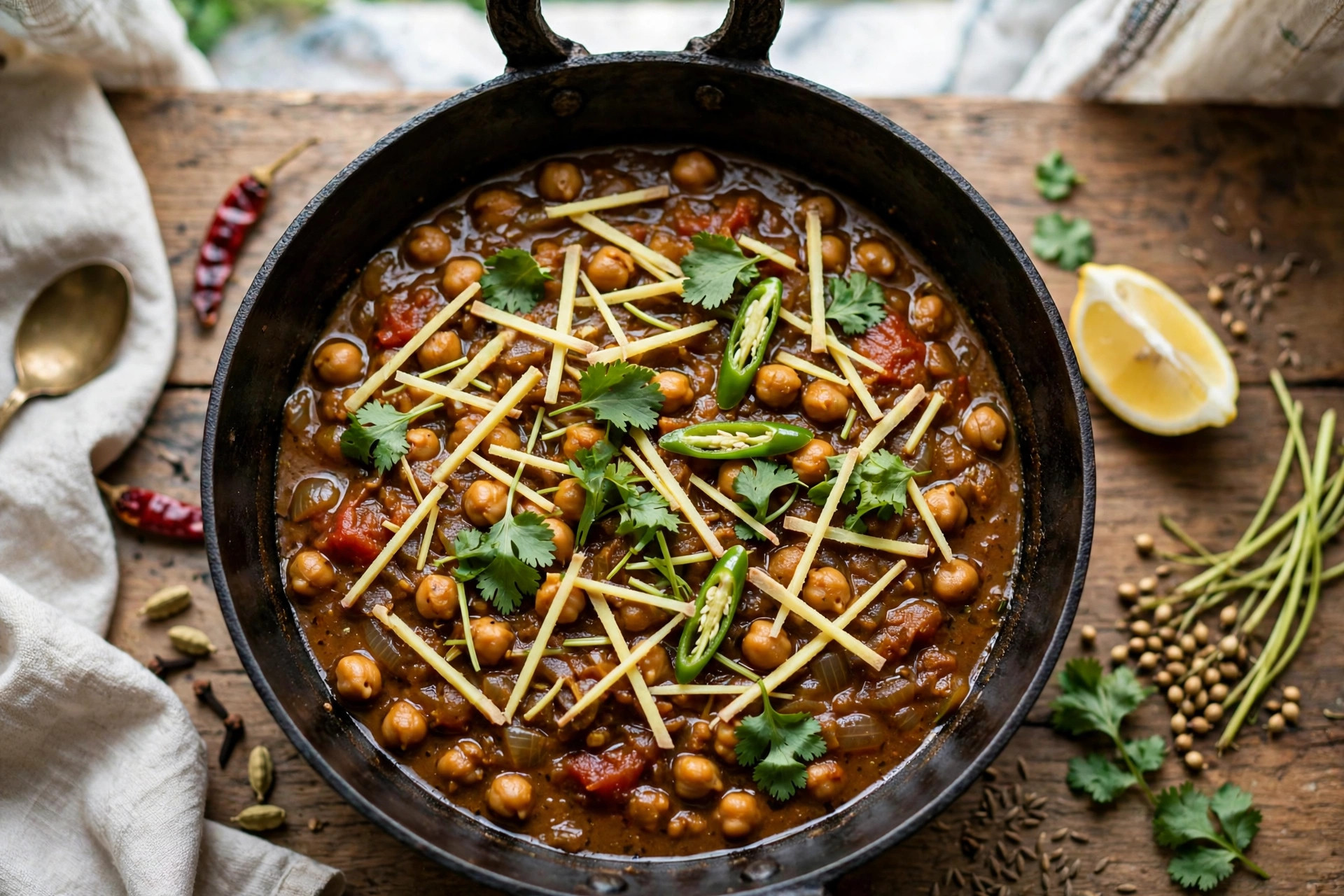
Chole is a Punjabi gravy curry of kabuli chana (chickpeas) simmered in a thick, tangy onion-tomato masala with ginger, green chillies and warming spices. The gravy should coat the chickpeas rather than drown them, and the chickpeas themselves should be soft enough to mash easily between two fingers. It is a favourite for weekend lunches and family dinners, served with bhature, pooris, jeera rice or plain rotis, along with sliced onion and a lemon wedge. The dish is planned ahead because the chickpeas need an overnight soak. A practical tip: reserve the chickpea cooking water and use it for the gravy — it adds body and a deeper colour that plain water cannot give.
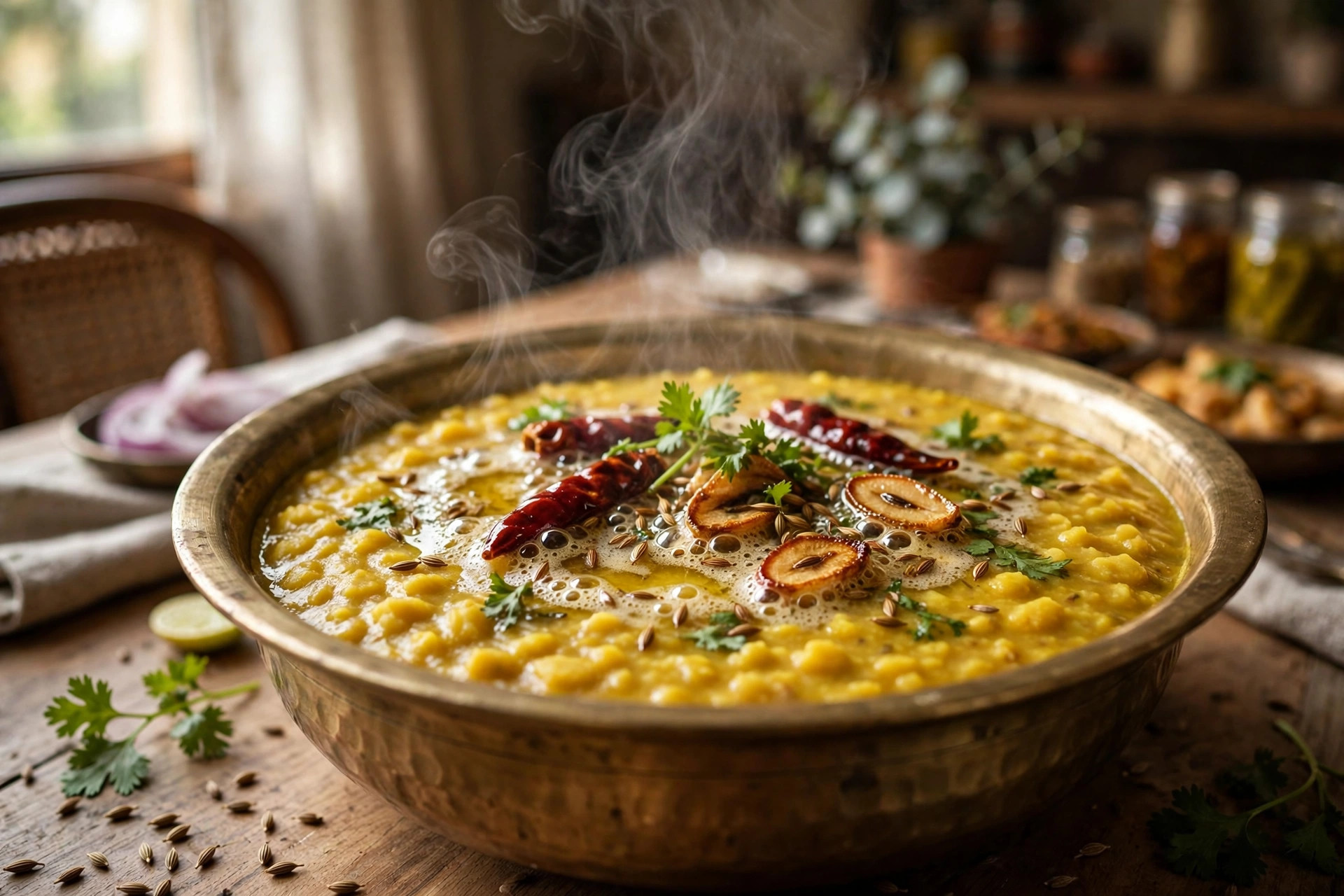
Dal Tadka is a homestyle yellow dal made from arhar (toor) dal pressure-cooked until soft, simmered with a simple onion-tomato base, and finished with a sizzling tadka of ghee, garlic, cumin and dried red chillies poured over the top just before serving. The dal itself is smooth and mildly spiced, while the tadka adds the aroma and flavour that make the dish special. It is an everyday lunch or dinner staple served with steamed rice or rotis, and a little extra ghee on top is very welcome. A practical tip: add the tadka at the very end and cover the dal for 2 minutes — the dal absorbs the smoky garlic flavour much better than if you stir and serve immediately.
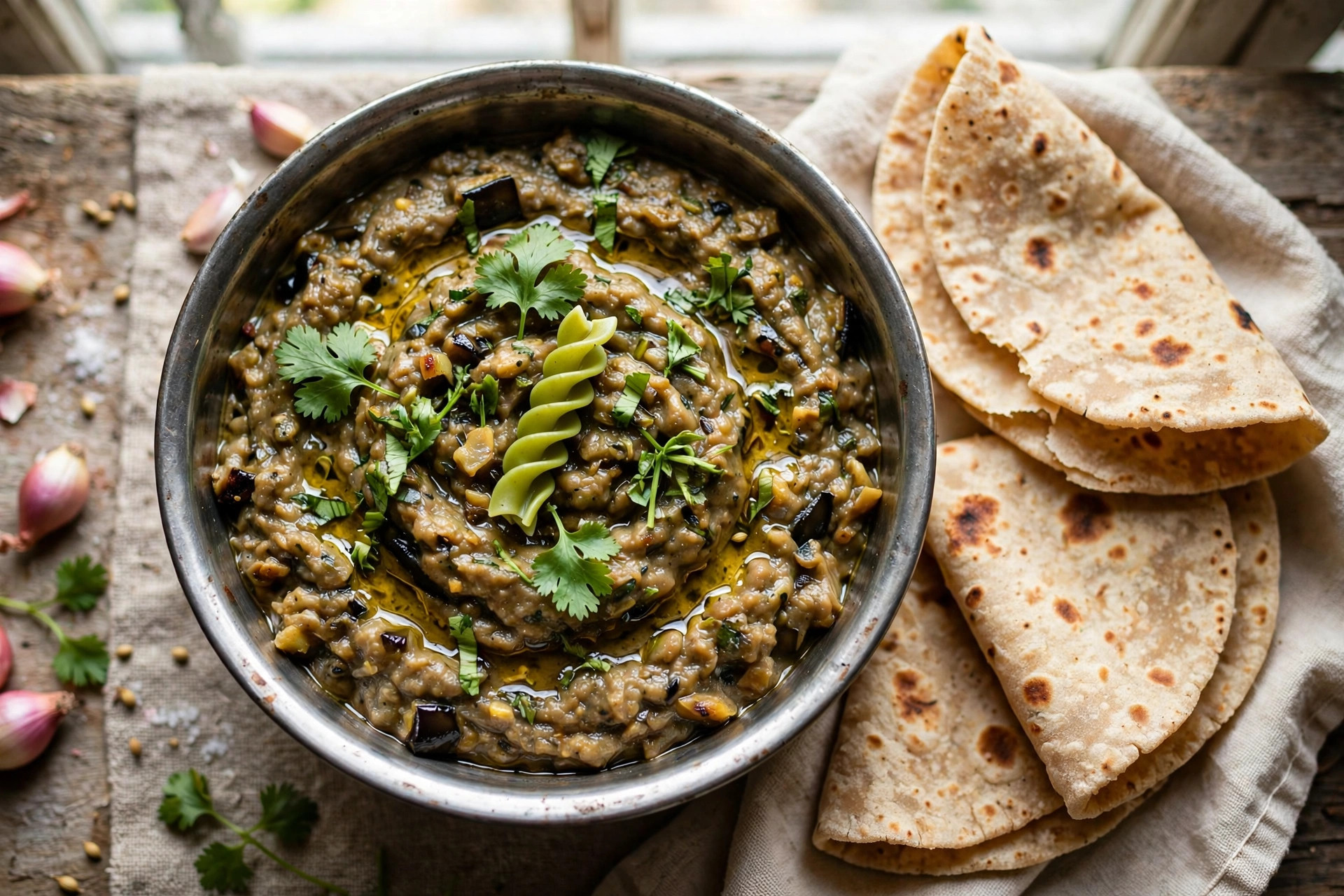
Baingan Bharta is a smoky, mashed brinjal sabzi made by roasting a large brinjal directly over a flame until the skin chars and the flesh turns soft and fragrant, then cooking it with onion, tomato, ginger, garlic and everyday spices. The texture is soft and slightly chunky, not smooth like a puree, and the flavour is earthy with a gentle heat from green chillies. It is a comforting dinner dish that pairs beautifully with hot rotis, phulkas or even plain dal and rice. Serve it fresh and hot, because it loses its smoky punch on reheating. A practical tip: roast the brinjal until it completely collapses and feels heavy and soft — under-roasted brinjal stays spongy and never mashes well.
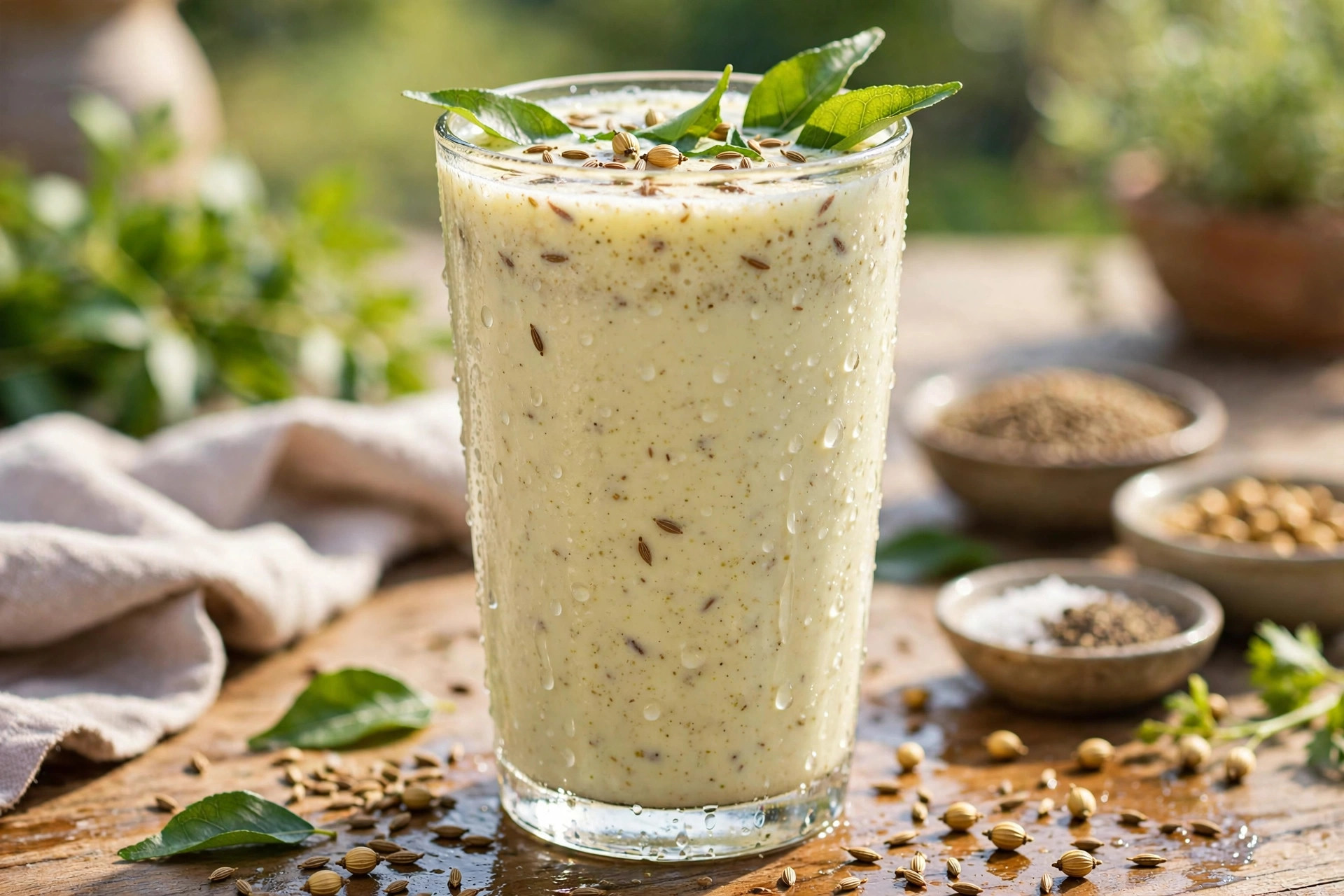
Masala chaas is a light, refreshing spiced buttermilk made by whisking curd with chilled water, roasted cumin, black salt and fresh herbs. Ready in 10 minutes with no cooking, it serves 4. Chaas goes by many names across India — taak, mor, majjige, matha — but the idea is the same everywhere: curd whisked with water and salt into a thin, cooling drink. The masala version builds on that simple base with roasted cumin, black salt, ginger and fresh herbs, turning an everyday accompaniment into something with real flavour. It is served alongside lunch in many homes, offered to guests on a hot afternoon, and poured from steel jugs at roadside stalls in summer. This recipe keeps the seasoning balanced rather than fiery, so the chaas stays light and refreshing. There is no cooking involved at all — just whisking, seasoning and chilling — and the whole thing is ready in about 10 minutes. For a smoother result, blend the herbs with a ladleful of the chaas before stirring them back in; for a more rustic texture, finely chopped herbs whisked in by hand work perfectly well.
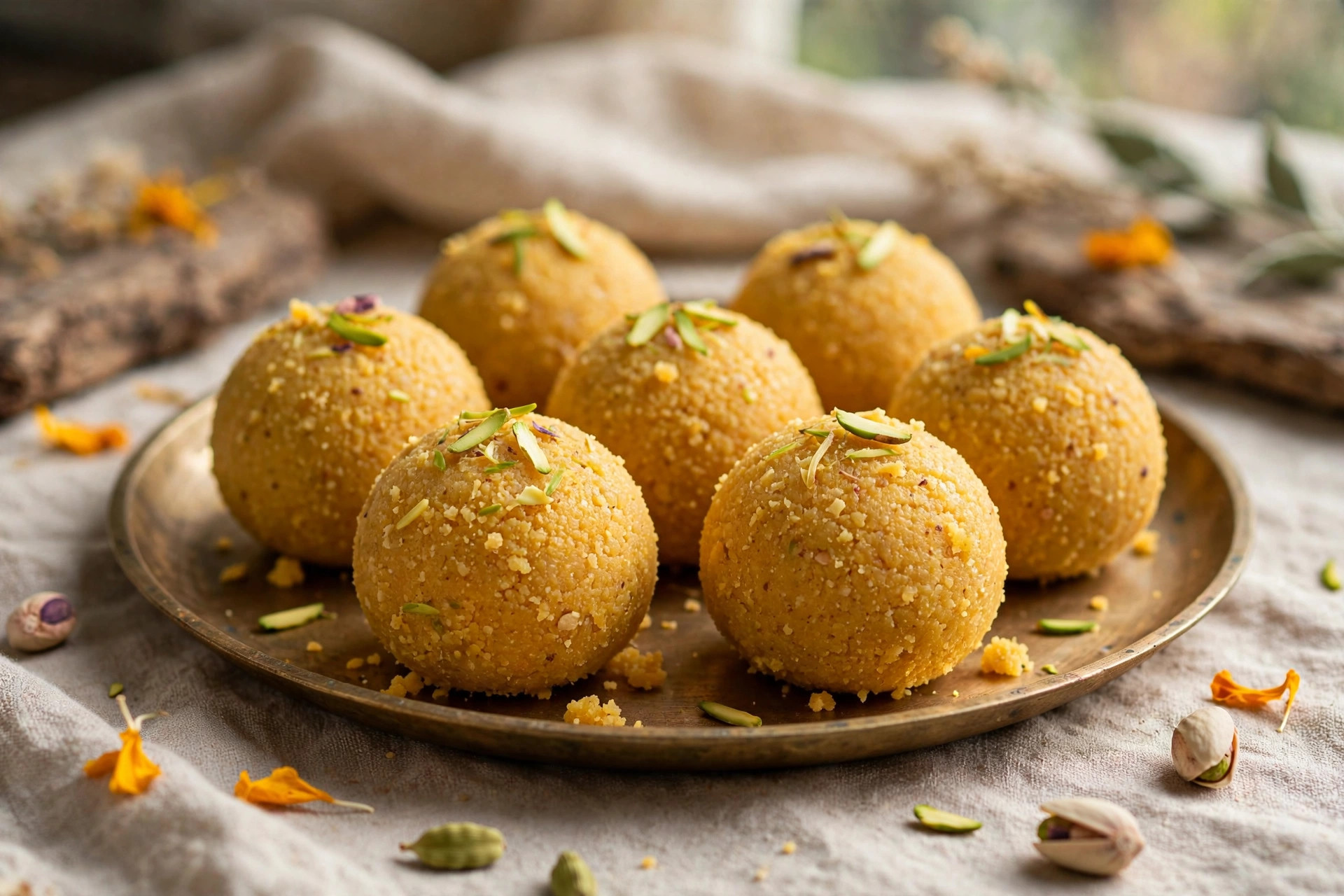
Besan ke ladoo are made from three things that need handling in the right order: besan roasted slowly in ghee until it smells nutty, sugar added only after the mixture has cooled a little, and cardamom to lift the flavour. Most problems with this sweet come from rushing the roast. Under-roasted besan tastes raw and pasty, and besan roasted on high heat colours before it cooks through. Keep the flame low, stir continuously, and watch for the change: the mixture loosens, the colour deepens to a warm gold, and the kitchen smells like roasted gram. Once that point arrives, the rest is simple — cool, sweeten, shape. The ladoos keep well in an airtight tin, which is why they are made in batches for festivals, travel and visitors.
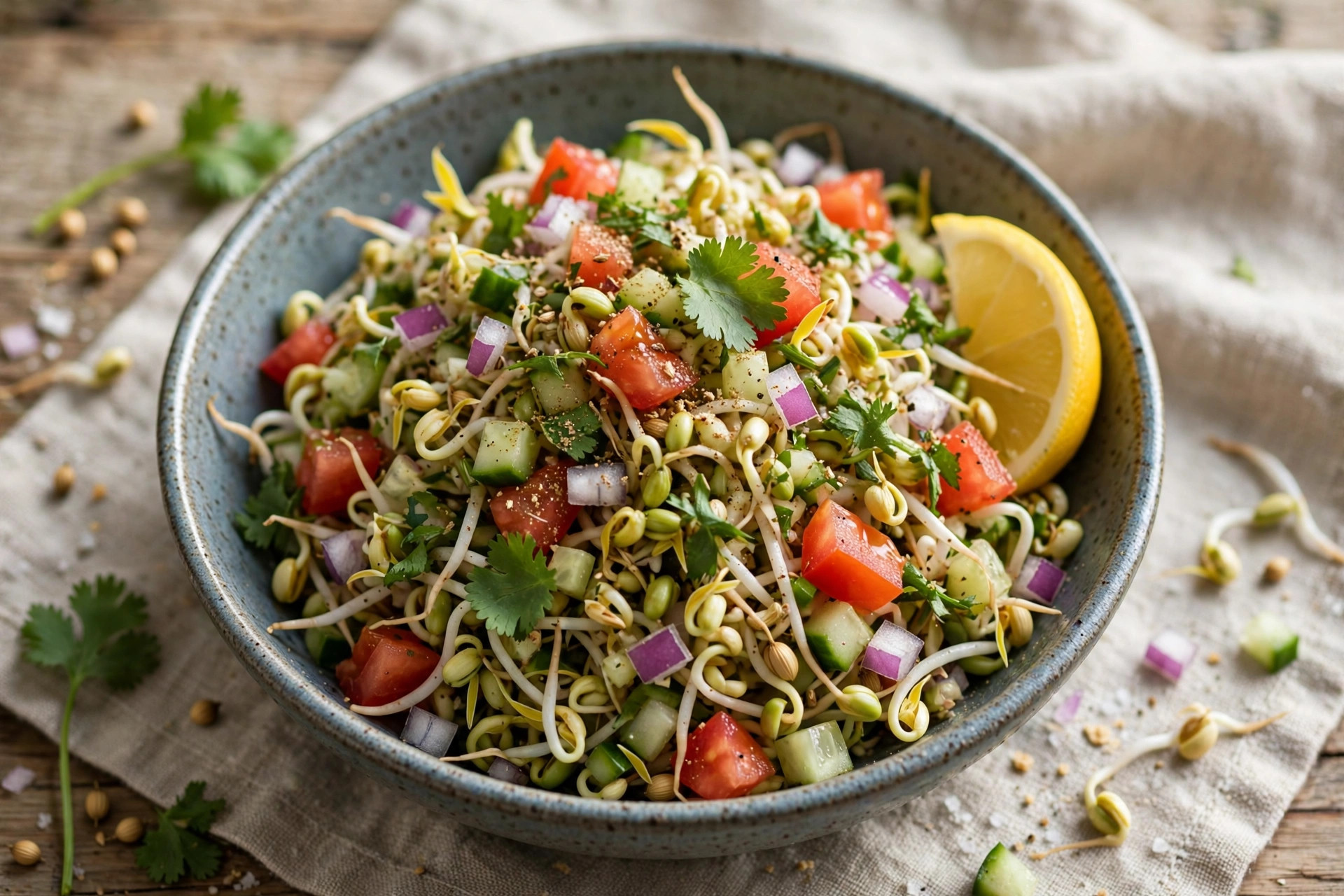
Sprouted moong chaat takes the flavours of chaat — lemon, chaat masala, green chilli, crunchy onion — and puts them on a base that needs no frying and almost no cooking. The sprouts are steamed briefly, just enough to take off the raw edge while keeping their bite, then tossed warm with chopped vegetables so they absorb the seasoning. Potato adds a little body, cucumber and tomato keep it fresh, and coriander brings it together. The key is timing: add the lemon juice and the crunchy vegetables at the end, and serve soon after mixing, before the vegetables release water and soften everything. It works as an evening snack, a light side with lunch, or a bowl to put out when people want something tangy without reaching for fried food.
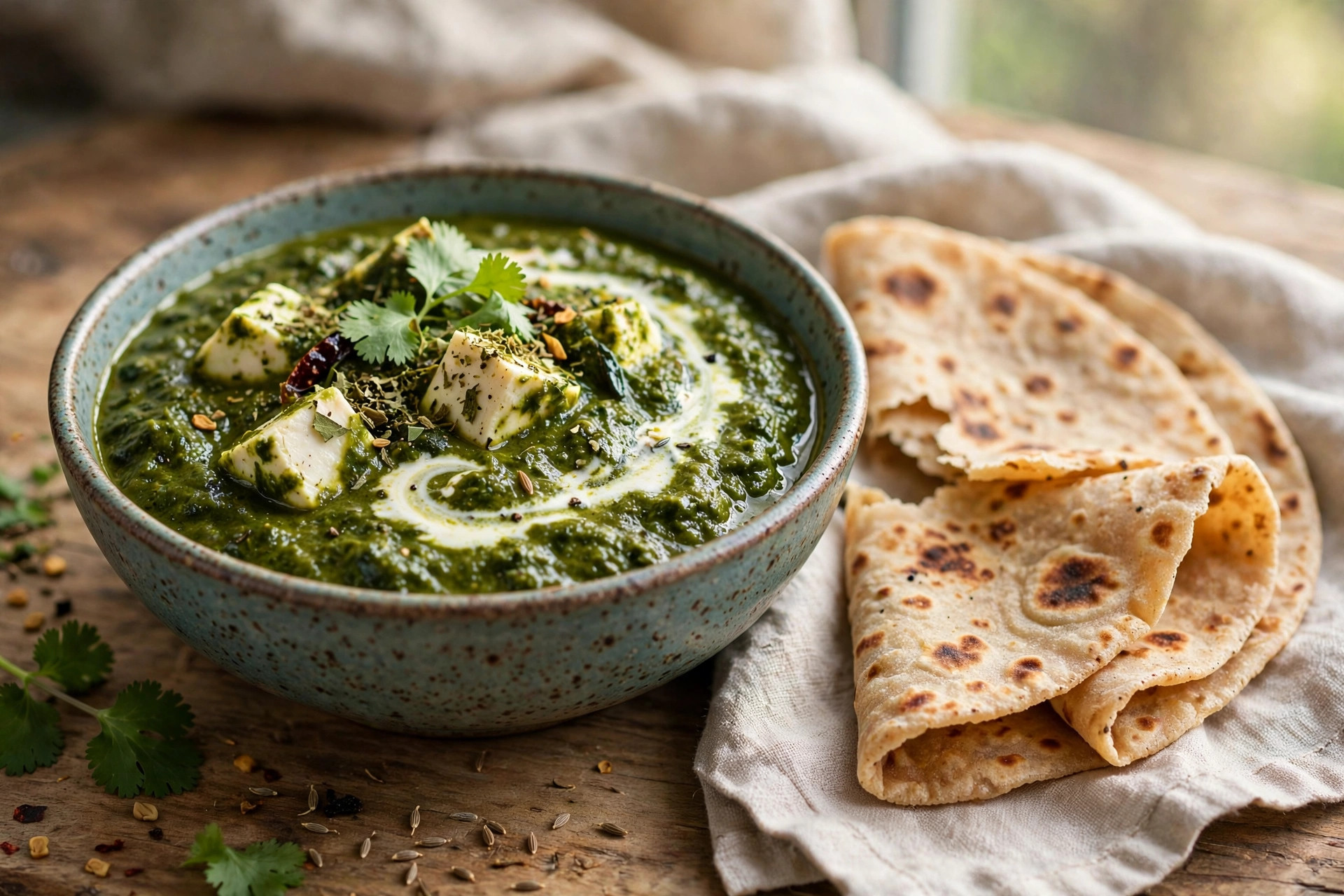
Palak paneer is a spinach curry, first and last. The green gravy is the dish: spinach blanched briefly to keep its colour, blended smooth, and cooked with a measured onion-tomato masala so the spinach flavour stays in front. Paneer cubes are added at the end and warmed through, not fried hard or simmered for long, so they stay soft. A little fresh cream softens the edges, and garam masala and kasuri methi finish it without turning it into a generic paneer curry. This is deliberately different from a tomato-rich paneer butter masala — there is no butter-heavy makhani base here. Serve it with roti, naan or jeera rice for a dinner that feels complete without being heavy to make.
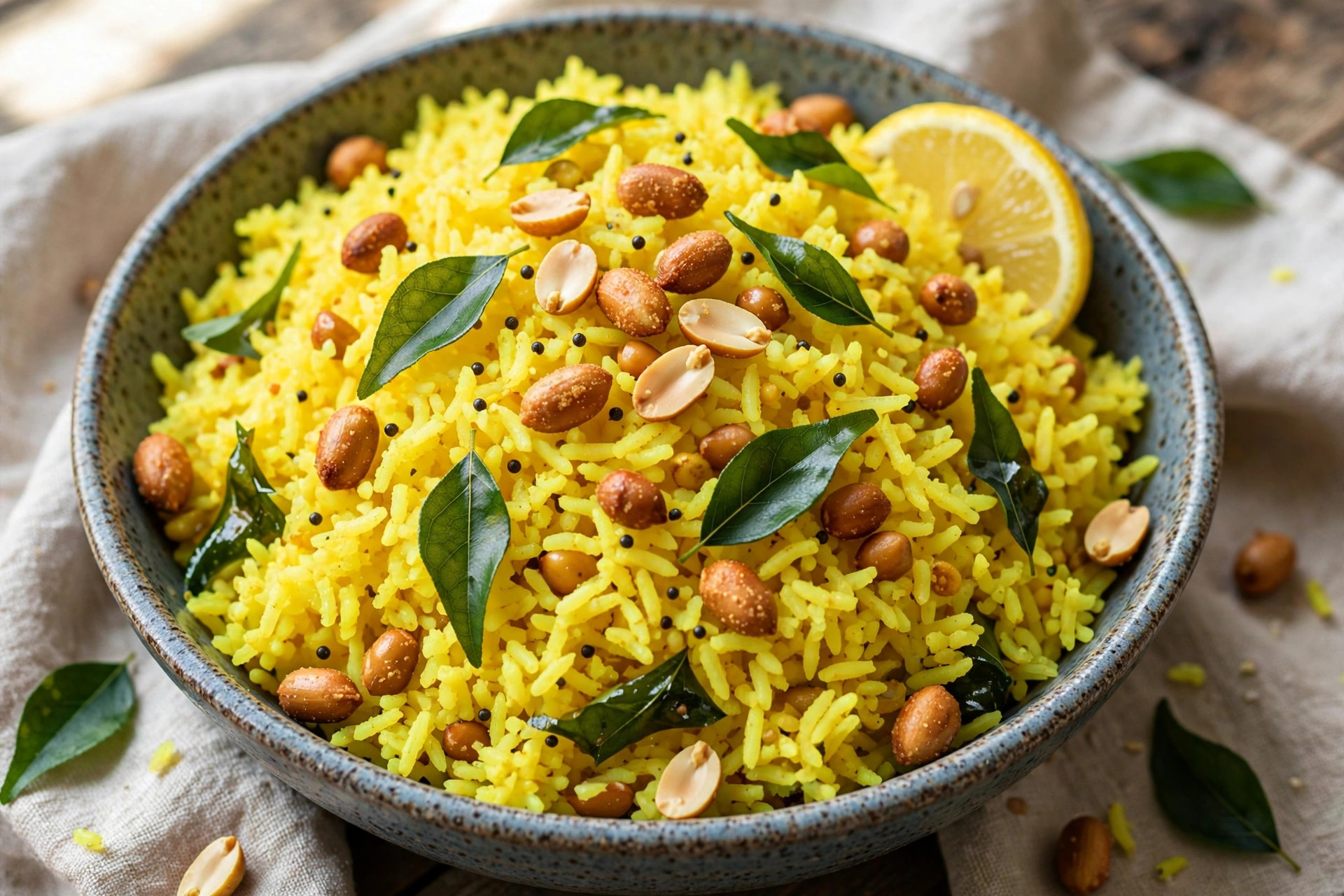
Lemon rice is a practical way to turn plain cooked rice into a complete lunch. Turmeric gives it colour, mustard seeds, curry leaves, ginger and chillies give it warmth, and roasted peanuts add the crunch that keeps each bite interesting. Lemon juice goes in at the end, off the heat, so the flavour stays bright rather than bitter. This version works well with rice cooked earlier in the day or the previous evening, packs neatly into a lunch box, and sits happily alongside curd, papad, pickle or a simple vegetable side. It is also forgiving: the tempering takes minutes, the mixing is gentle, and the seasoning can be adjusted at the table with a little extra lemon or salt.
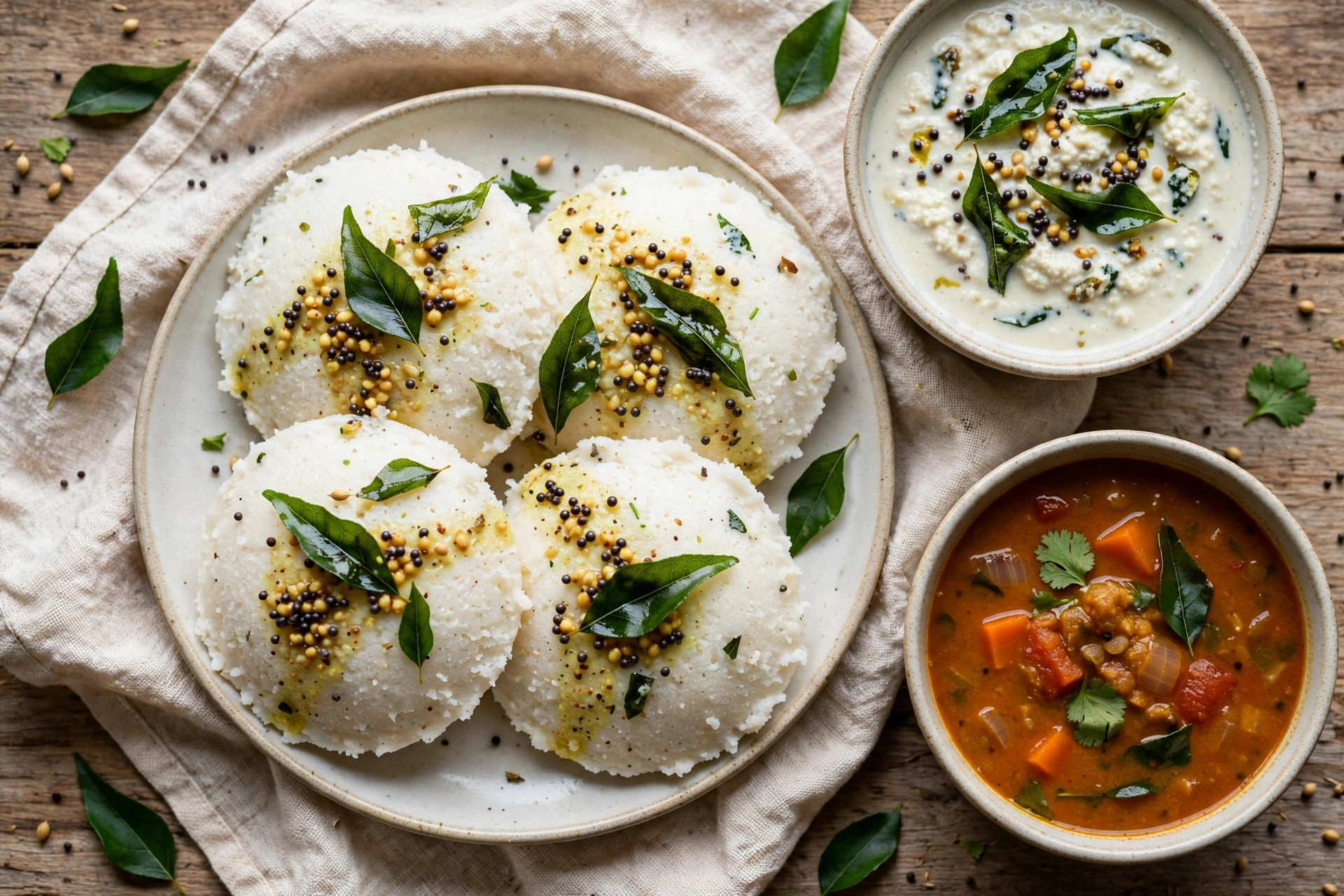
Instant rava idli solves the most common idli problem: there was no batter fermented the night before. Rava, or sooji, mixed with curd rests for just 15 minutes, a tempering of mustard seeds, dals, curry leaves and cashew goes in for flavour and crunch, and a little fruit salt added at the very end lifts the batter in the steamer. Timing is the whole recipe. Once the fruit salt is mixed in, the batter should go into greased moulds and into the steamer without delay, and it should be mixed gently, not beaten, so the bubbles stay in. The result is soft, white idlis that work with chutney, sambar, or simply a podi and oil if that is what is at hand. Make only as much batter with fruit salt as fits in one steaming batch; if you are steaming in two batches, split the rested batter and add half the fruit salt to each half just before that batch goes into the steamer.
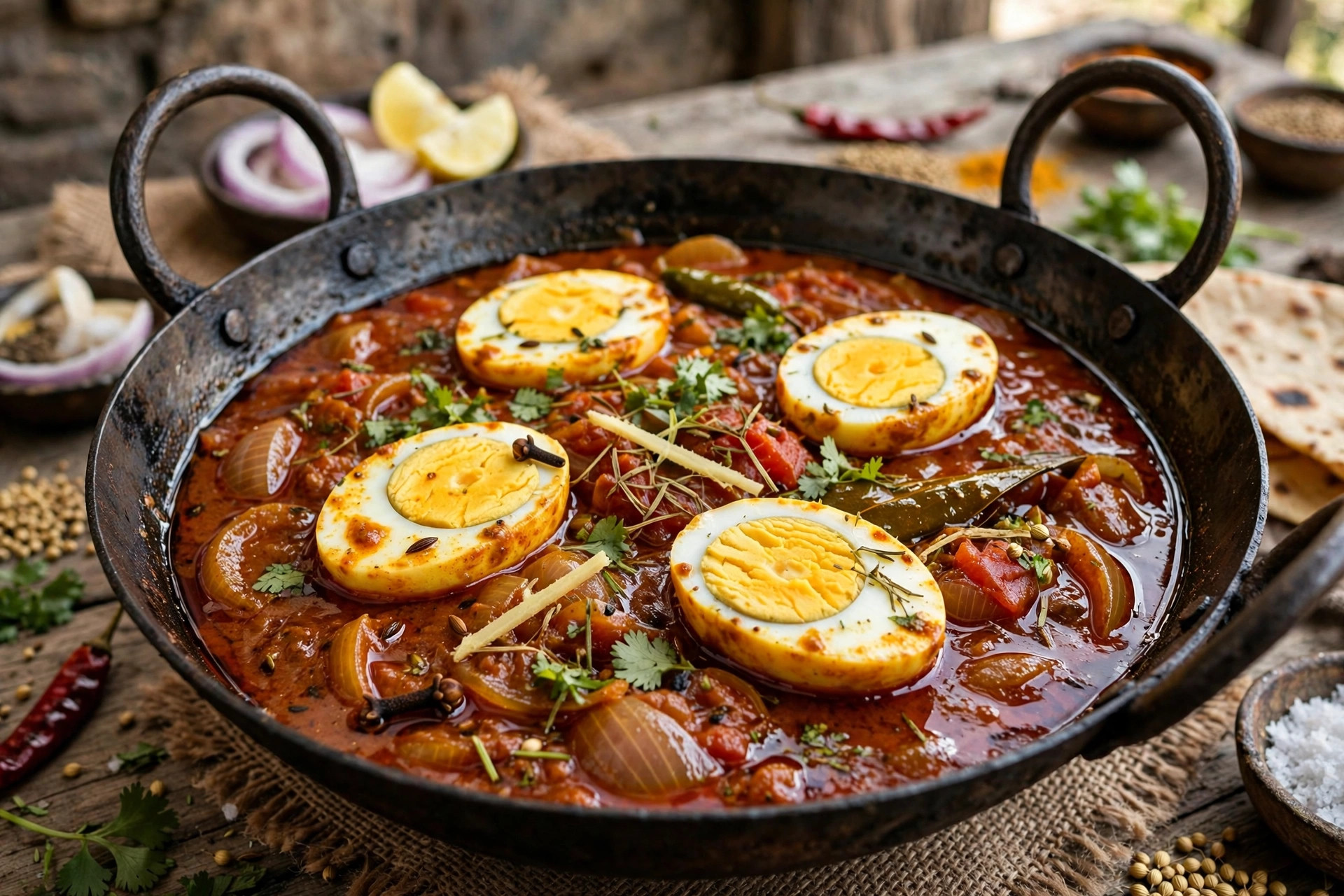
Dhaba-style egg curry is defined by a well-browned onion-tomato masala, eggs that are fried before they go into the gravy, and a finish of garam masala and kasuri methi. Frying the boiled eggs gives them a light golden skin that holds up in the curry and stops them tasting plainly boiled against a rich gravy. The masala needs patience more than technique: cook the onions until properly golden and the tomatoes until the oil separates, because that browning is the flavour base of the whole dish. Keep the gravy medium-thick so it coats the eggs and works with both roti and rice. Halve one egg at serving if you like, so the yolk shows, and serve the rest whole. Leftovers keep well overnight in the fridge, and the gravy tastes even more settled the next day when reheated gently.
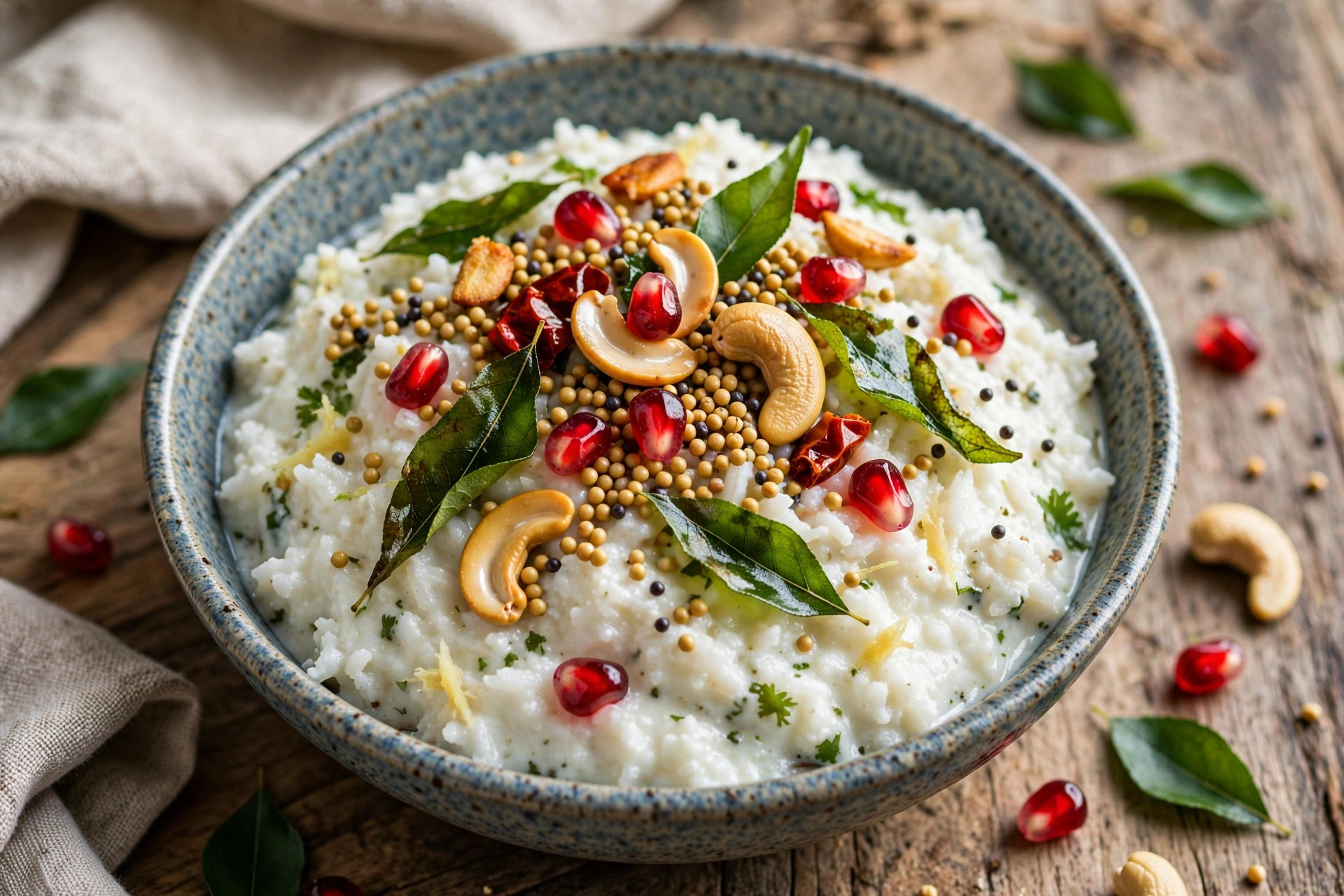
Curd rice, or thayir sadam, is soft-cooked rice mixed with curd and finished with a South Indian tempering of mustard seeds, urad dal, chana dal, curry leaves and chillies. The details that matter are simple: the rice should be softer than plain steamed rice, it should cool a little before the curd goes in so the curd does not split or turn too sour, and a small amount of milk keeps the texture creamy if the dish will sit for a while before eating. The garnish is kept simple — just the tempering and fresh coriander — so the rice stays plain and cooling. Curd rice works as the last course of a meal, as a lunch-box dish, or as a light meal on its own with pickle. Serve at room temperature or slightly chilled, and stir before serving because it firms up as it stands.
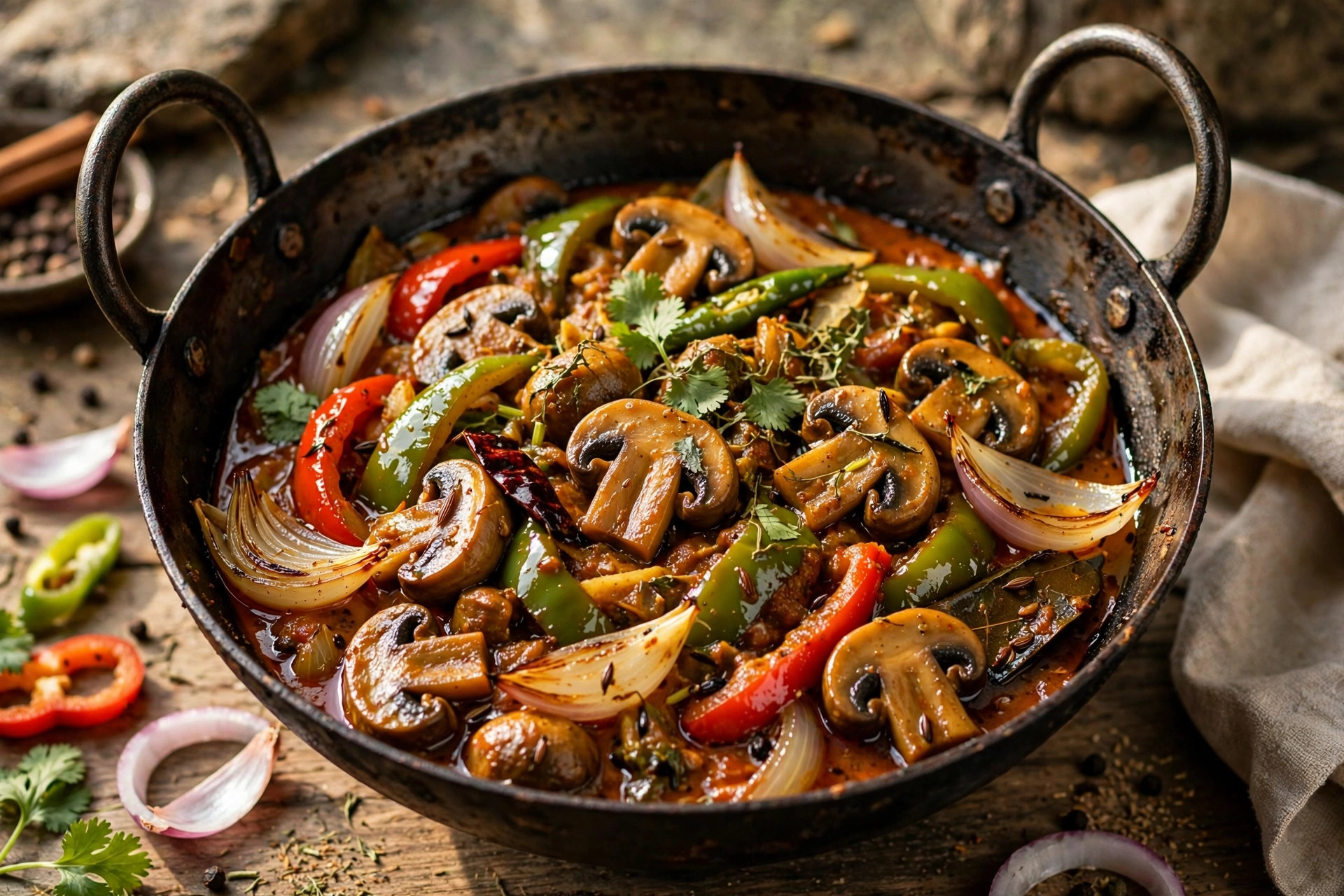
Kadai mushroom is a semi-dry curry built around two things: mushrooms cooked just long enough to stay firm, and a freshly pounded kadai masala of coriander seeds and dried red chillies that tastes noticeably different from a ready garam masala alone. Onion and tomato form the base, capsicum and onion petals go in near the end so they stay crisp, and kasuri methi finishes the dish with the familiar restaurant-style aroma. The main mistake to avoid is crowding wet mushrooms into a cool pan, which makes them steam and turn rubbery. Wipe them clean, cut them large, and add them to a properly hot masala. Serve with roti, naan or jeera rice. Because the gravy is thick rather than soupy, it also packs well for lunch the next day, reheated gently so the mushrooms do not overcook further.
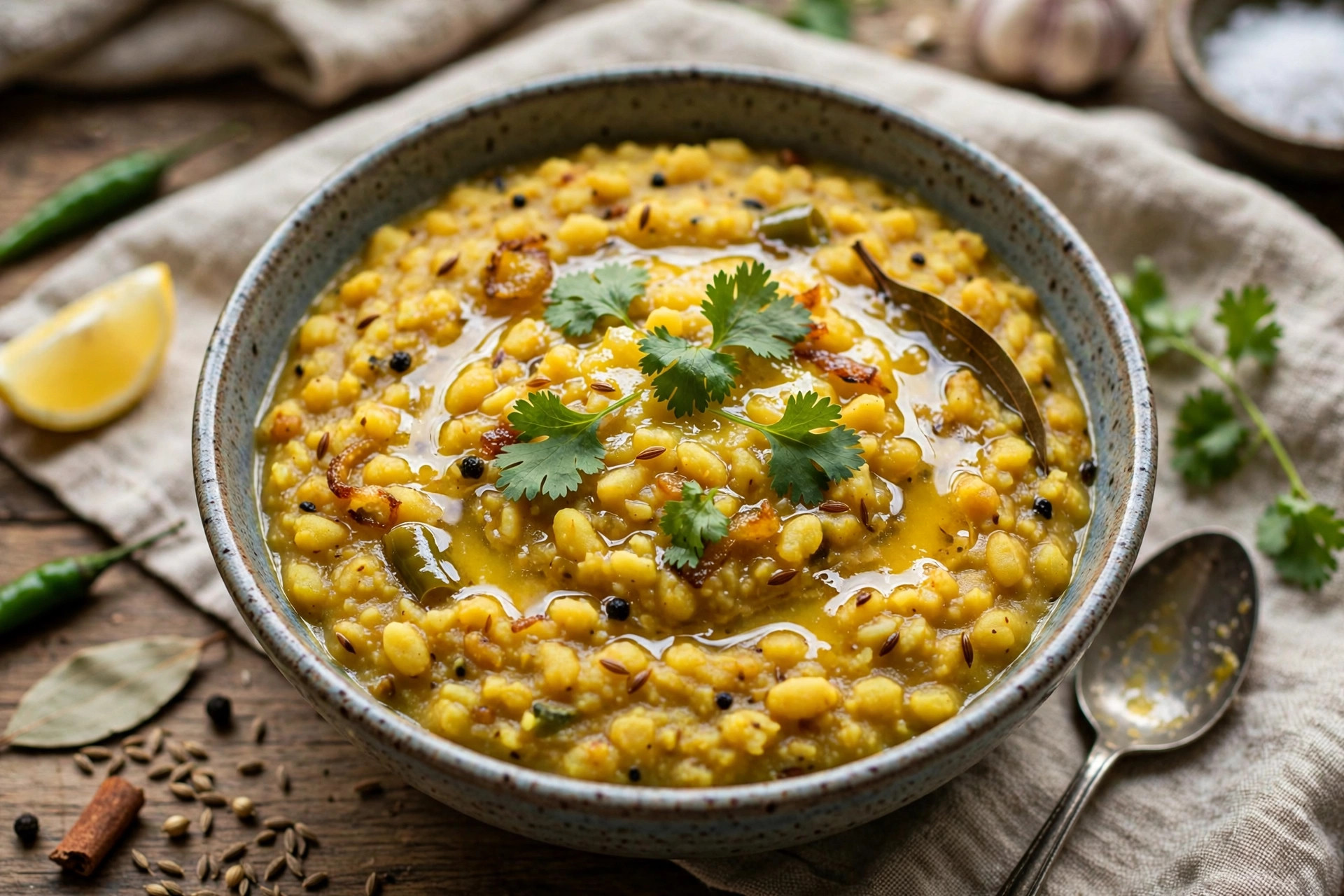
Masala khichdi takes the plain rice-and-dal khichdi most homes know well and gives it a proper tempering, vegetables and warm spices, so it eats like a complete meal rather than a fallback. Rice and yellow moong dal cook together in one pot until soft and just loose, while onion, tomato, carrot, peas and beans add colour and bite. A final ghee tempering with cumin and dried red chilli goes over the top at serving, which is where much of the aroma comes from. It suits weeknight dinners, lunch boxes that will be reheated, and days when a single pot is all the cooking anyone wants to do. Serve it hot with curd, papad or pickle on the side, and adjust the water at the end: khichdi thickens as it stands, so a splash of hot water brings it back to a soft, spoonable consistency without diluting the seasoning if you check the salt afterwards.